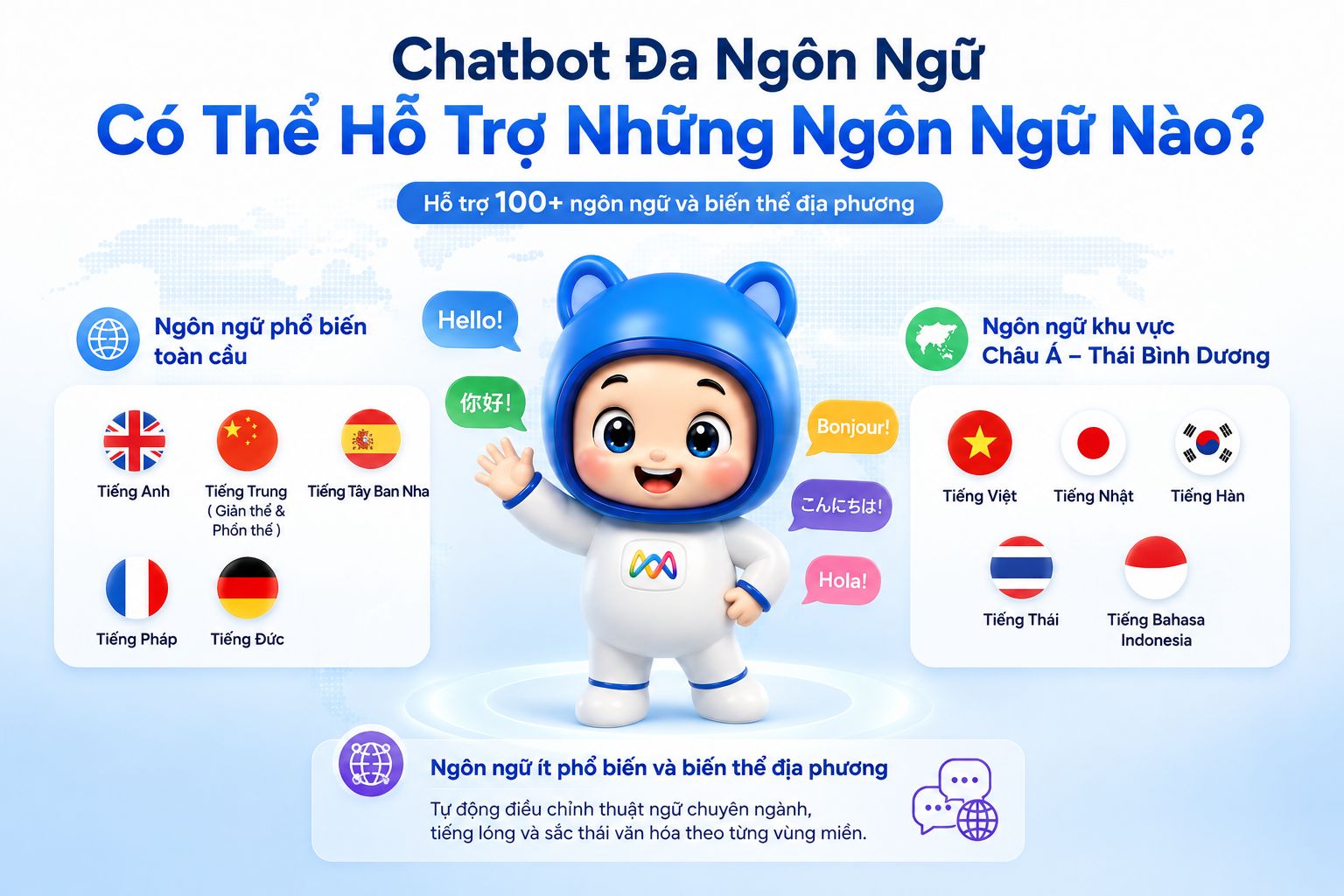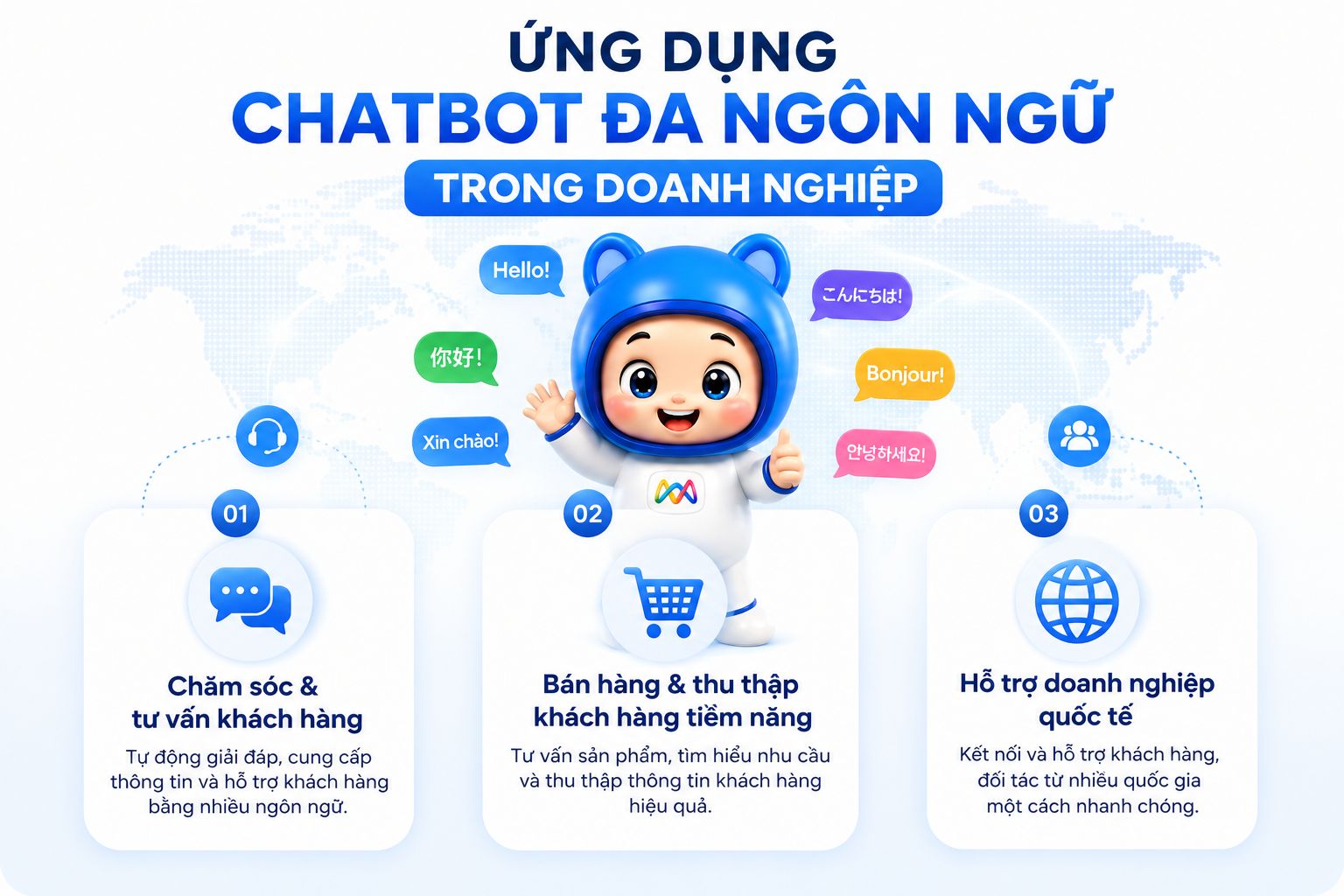
As businesses increasingly adopt AI, chatbots are being widely used to support customers and provide product consultations. However, conventional chatbots may face limitations when handling business-specific data. RAG chatbot for businesses combine data retrieval capabilities with generative AI, enabling them to leverage websites, documents, policies and product information to generate relevant, fast, and data-driven responses.
What Is a RAG Chatbot?
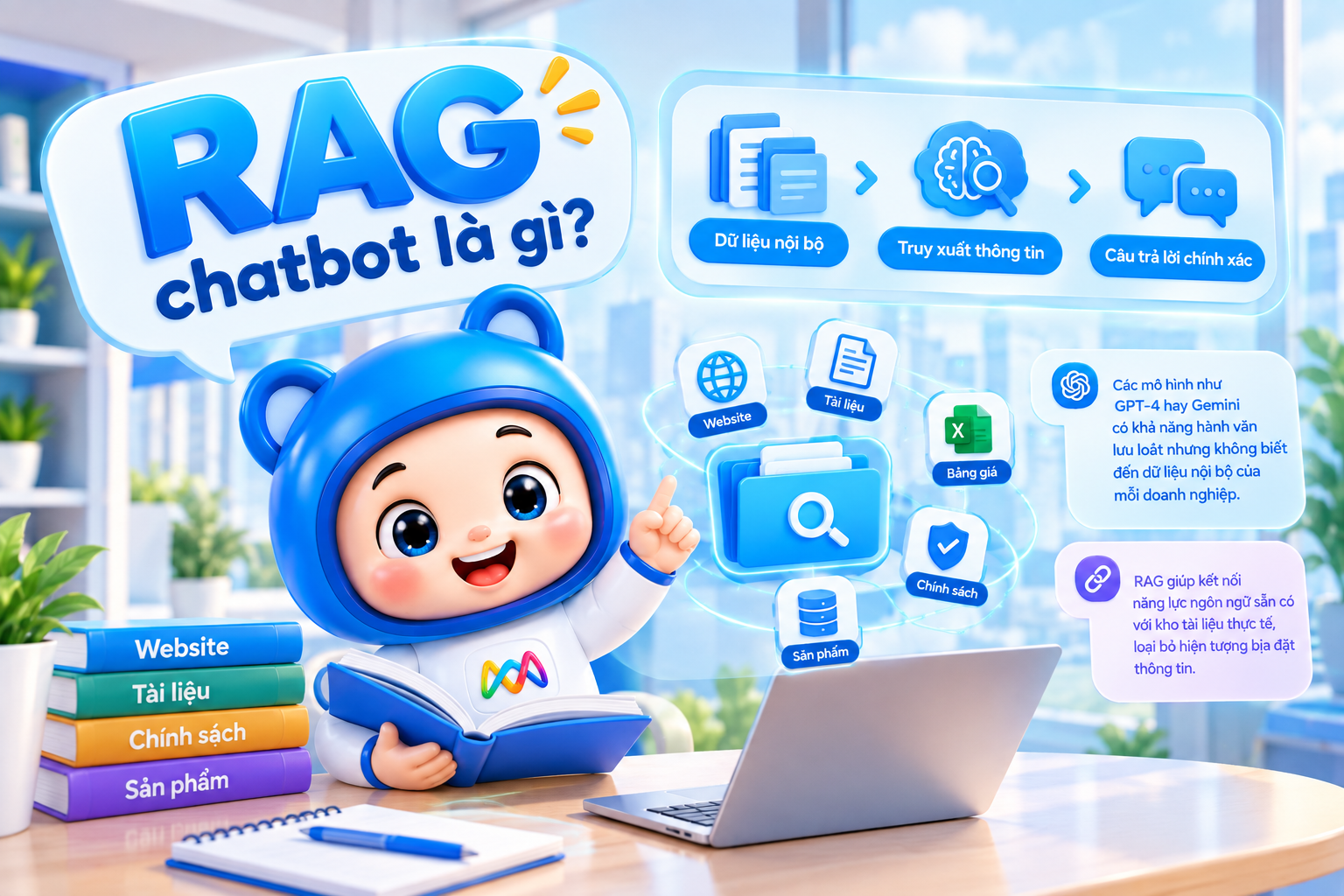
RAG stands for Retrieval-Augmented Generation. The core concept is similar to giving a sales representative a business handbook before they answer a customer’s call. Instead of relying on general knowledge or guessing from memory, the assistant retrieves the relevant information from the appropriate document before providing an answer.
Large language models such as GPT-4 and Gemini are highly capable of generating natural language, but they do not inherently have access to each company’s internal data. RAG acts as a bridge between the language capabilities of AI models and real-world business information, helping reduce inaccurate or fabricated responses that can occur in conventional AI systems.
How Does a RAG Chatbot Work?
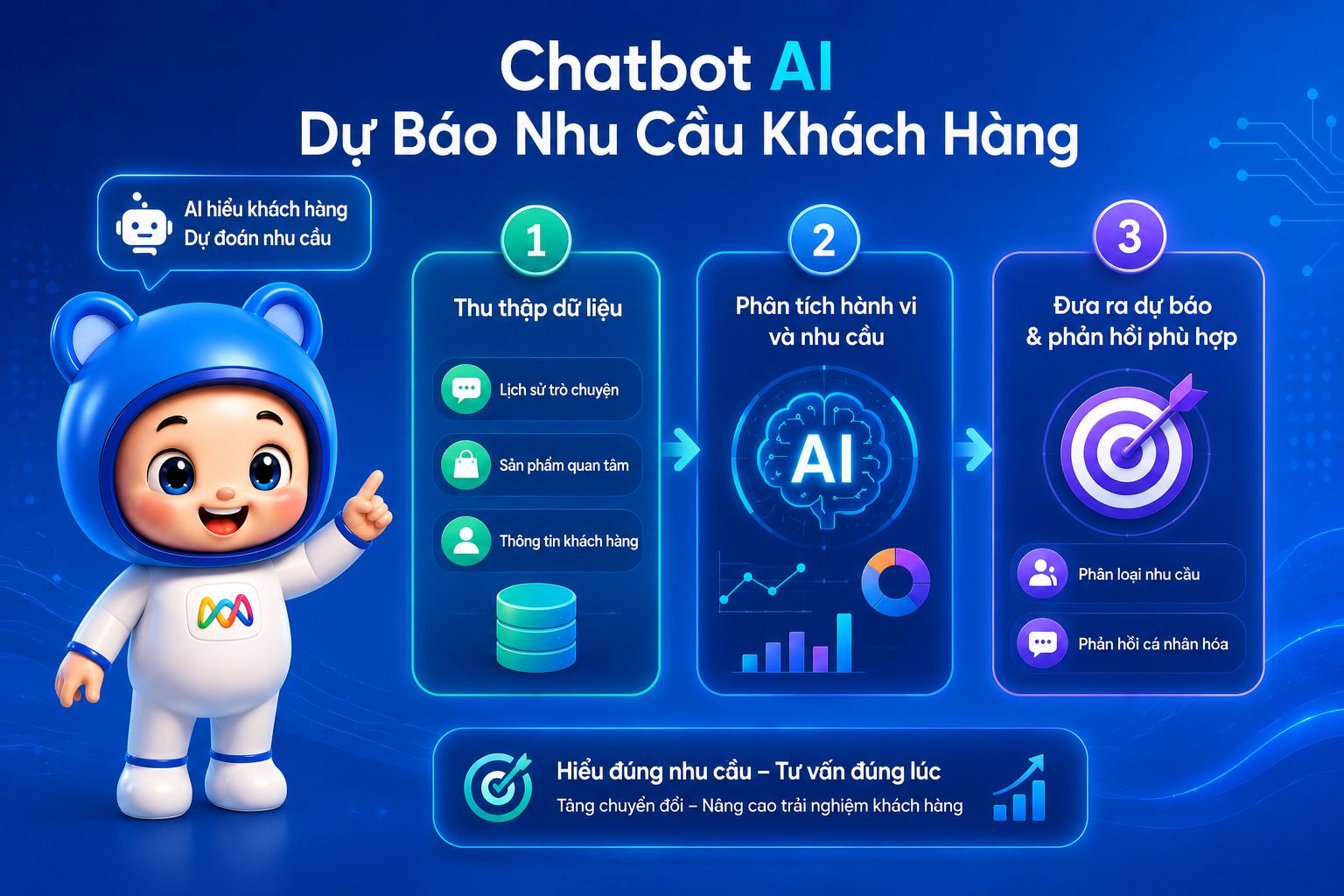
The process of handling a question takes place through three main steps to provide accurate and relevant information.
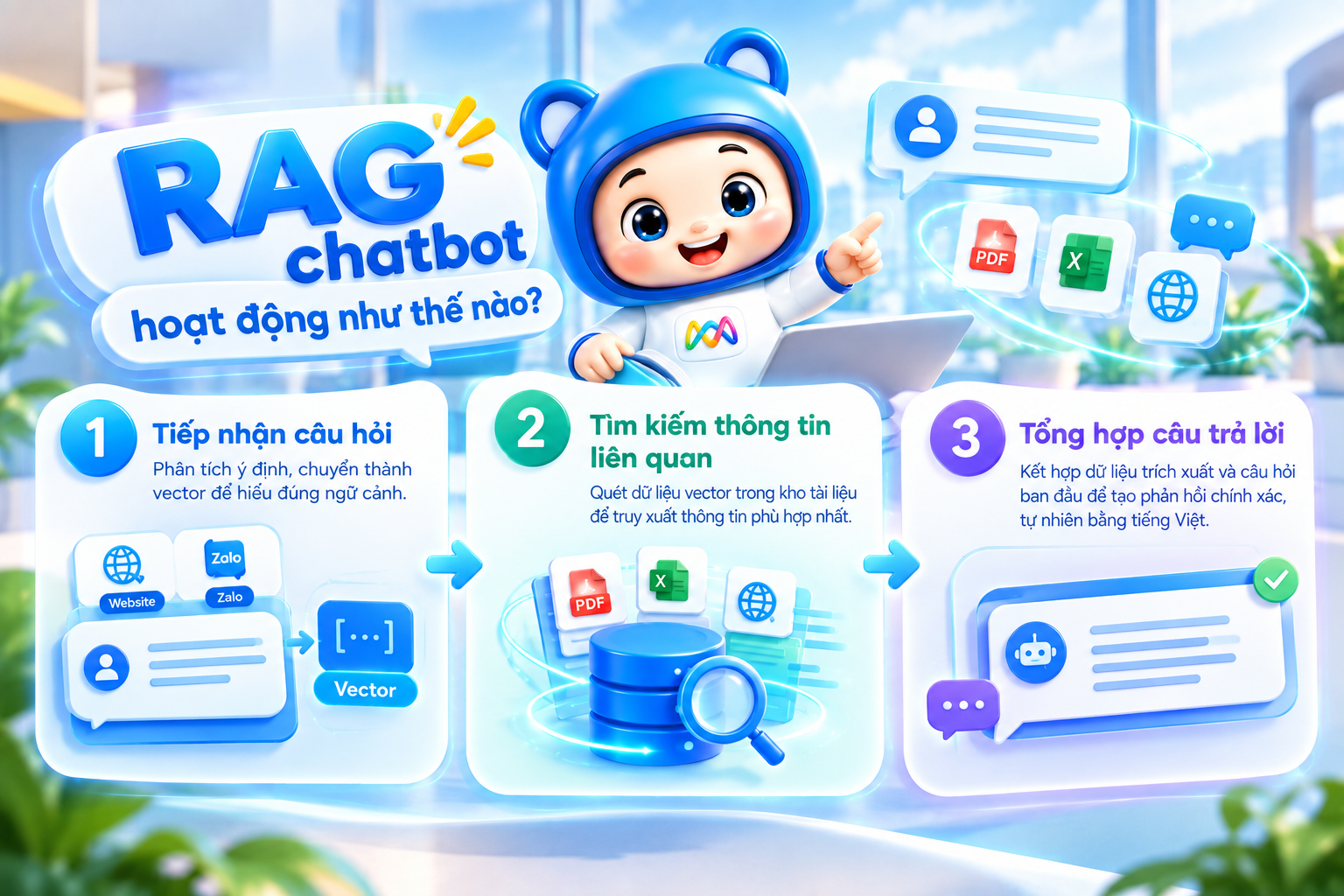
Step 1: Receiving the Question
When a customer sends a message through a website or the company’s Zalo page, the system receives the text and analyzes the user’s actual intent. The query is then converted into a mathematical vector to capture its context rather than simply matching individual keywords.
Step 2: Retrieving Relevant Information
The system uses the generated vector to search through a dedicated database. The most relevant information from PDF documents, Excel price lists, or website guides can be retrieved almost instantly. This is the key process that distinguishes RAG technology from older automated conversational solutions.
Step 3: Generating the Answer
The retrieved information is combined with the original question and provided as context to the language model. The virtual assistant then processes the available information and generates a natural and relevant response before sending it back to the customer.
Benefits of RAG Chatbots for Businesses
Using internal data retrieval mechanisms can bring significant improvements to daily business operations:
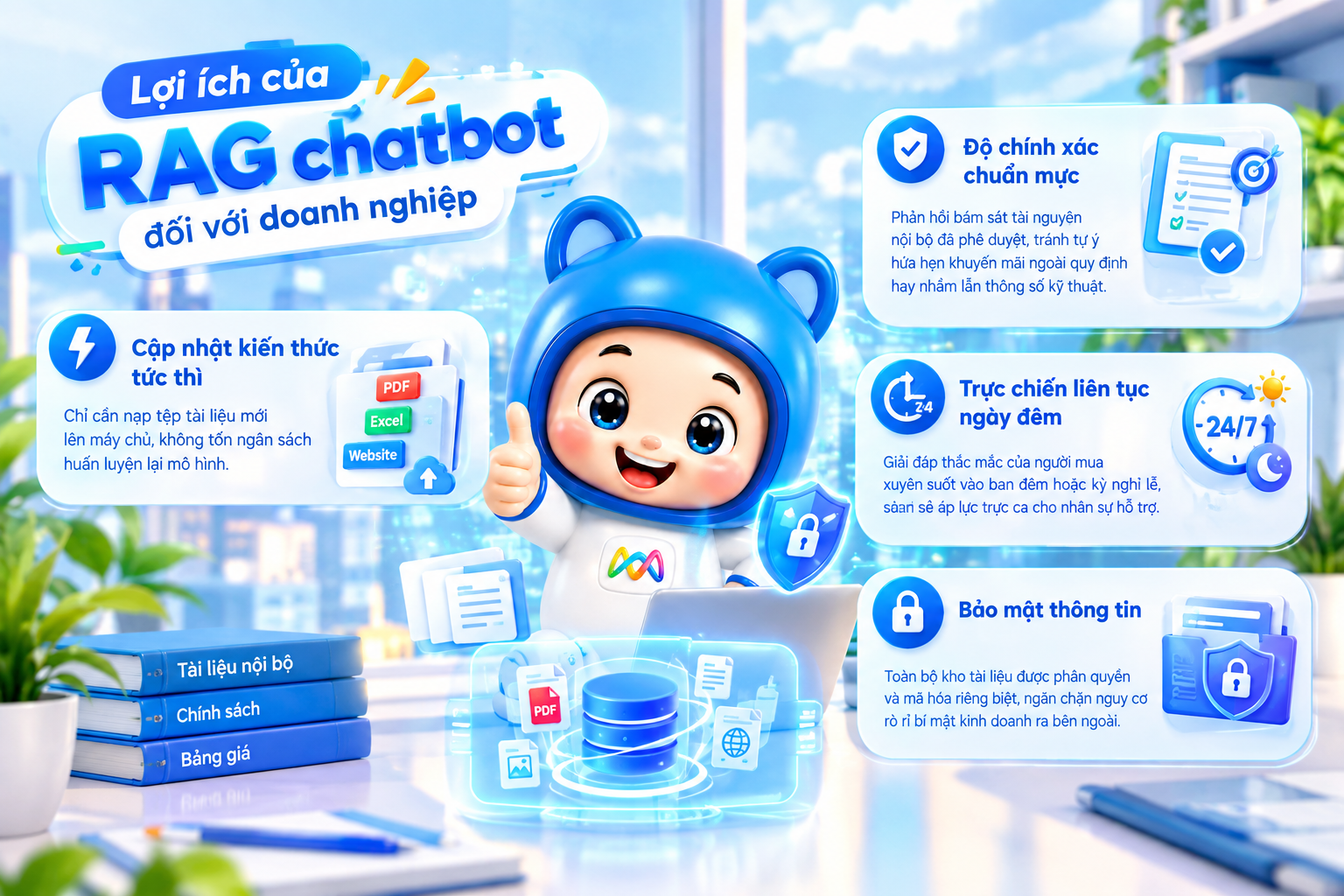
- Improved accuracy: Responses are based on approved internal resources, helping reduce issues such as incorrect promotions or inaccurate product specifications.
- Instant knowledge updates: When prices or delivery policies change, businesses can update the relevant documents without having to retrain the entire AI model from scratch.
- 24/7 customer support: RAG chatbots can answer customer questions at night, during weekends, or on holidays, reducing the workload for support teams.
- Data security: Business documents can be managed with access controls and security measures to help protect sensitive business information.
Where Can RAG Chatbots Be Used?
With the ability to work with business-specific data, RAG chatbots can support various practical business scenarios.
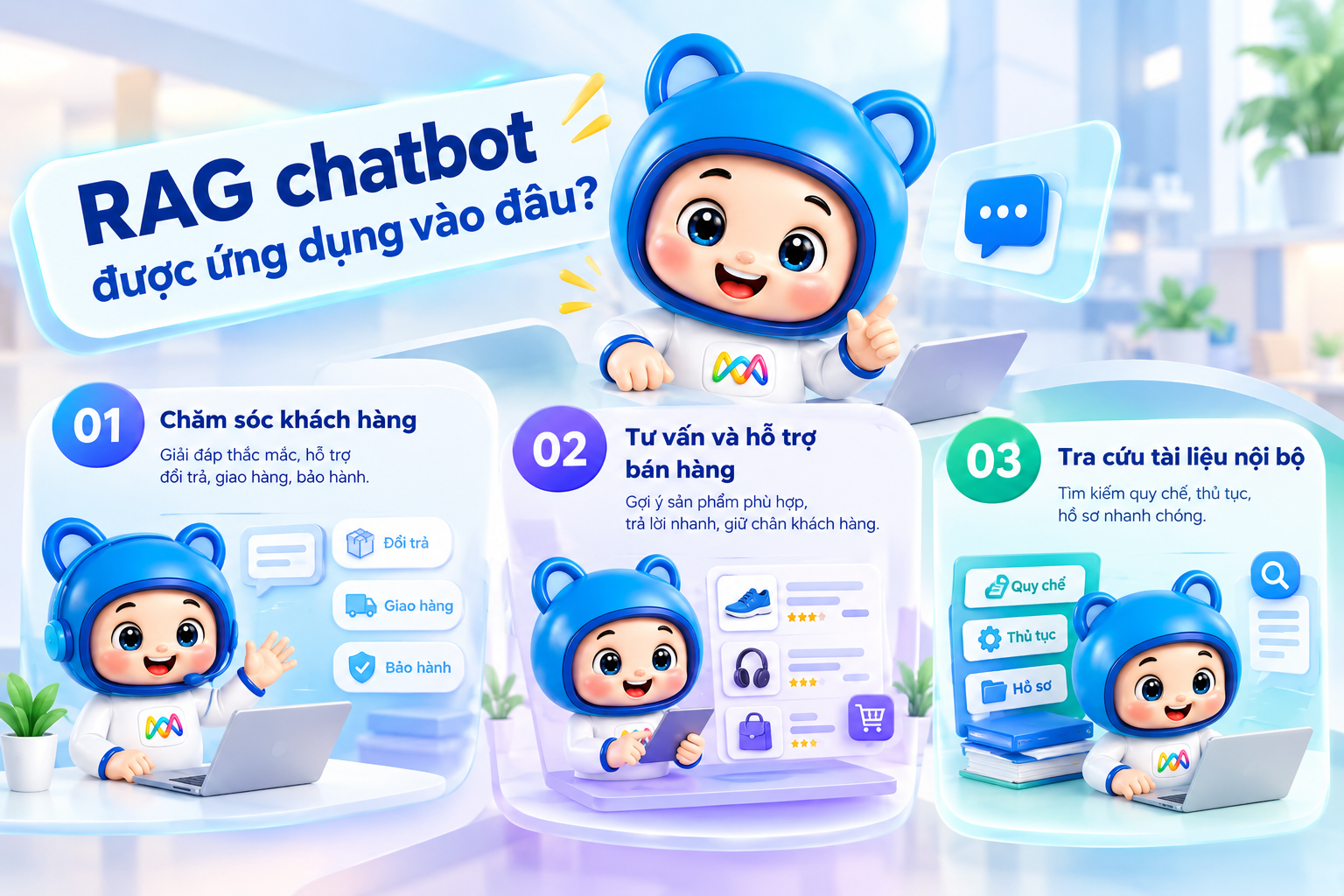
Customer Service
The system can automatically answer frequently asked questions about return policies, delivery times, or product warranty procedures. For more complex complaints, the conversation can be handed over to a human support agent for further assistance.
Sales Consultation and Support
Acting as an online sales assistant, the chatbot can recommend products based on customer needs, budget, and available product information. Instant responses can help shorten the customer decision-making process and keep users engaged across online sales channels.
Internal Document Search
Employees can simply ask questions through an internal system to find company policies, advance payment procedures, payment documentation, and other internal information. This reduces the need to search through numerous folders for a specific piece of information.
How Is a RAG Chatbot Different from a Conventional Chatbot?
The key difference lies in its ability to retrieve information before generating a response. Conventional AI chatbots mainly rely on the model’s existing knowledge and reasoning capabilities. A RAG chatbot, on the other hand, is designed to combine an AI model with external data sources.
This makes RAG particularly suitable for businesses that want their chatbot to answer questions based on specific and up-to-date information rather than providing only general responses.
Criteria for Choosing a RAG Solution for Businesses
To find a reliable solution for long-term operation, businesses should consider the following criteria:
- Multi-format data processing: The system should be able to extract information from websites, Word documents, Excel spreadsheets, and Vietnamese PDF files.
- Multi-channel integration: The chatbot should be easy to deploy across websites, Zalo, and Facebook while allowing conversations to be managed from a centralized interface.
- Simple configuration: An intuitive drag-and-drop interface can help business teams configure workflows without depending heavily on software engineers.
- Flexible integrations: The solution should be compatible with customer relationship management systems and other business automation workflows through data integration capabilities.
Conclusion
RAG chatbots not only help businesses respond to customers faster but also turn existing data into a valuable resource for business operations. With Chat Vareno, businesses can build AI chatbots based on their own data to automate customer support, provide product consultations, and optimize workflows. Start using RAG chatbots with Chat Vareno to turn your business data into a competitive advantage.