Tag: Chatbot AI

  • How to Write an Effective Chatbot Script: An A-Z Guide

    How to Write an Effective Chatbot Script: An A-Z Guide

    How to Write an Effective Chatbot Script: An A-Z Guide helps businesses build smarter, more natural chatbot conversations that meet customer needs and support business goals. From defining chatbot objectives to creating logical conversation flows and optimizing responses, a well-designed script can improve customer service, automate consultations, and deliver a better overall customer experience.

    What Is a Chatbot Script?

    Kịch bản chatbot và luồng hội thoại với khách hàng

    A chatbot script is a collection of content, questions, answers, and response flows designed for different conversation scenarios between the chatbot and customers. A well-designed script helps the chatbot understand what customers want, provide relevant information, and guide users toward the next action.

    Depending on their specific goals, businesses can create sales chatbot scripts, product consultation scripts, customer service scripts, lead collection flows, or post-purchase support scenarios.

    Why Is It Important to Build a Well-Structured Chatbot Script?

    A carefully prepared messaging flow provides several practical benefits for business operations:

    Lợi ích xây dựng kịch bản chatbot bài bản

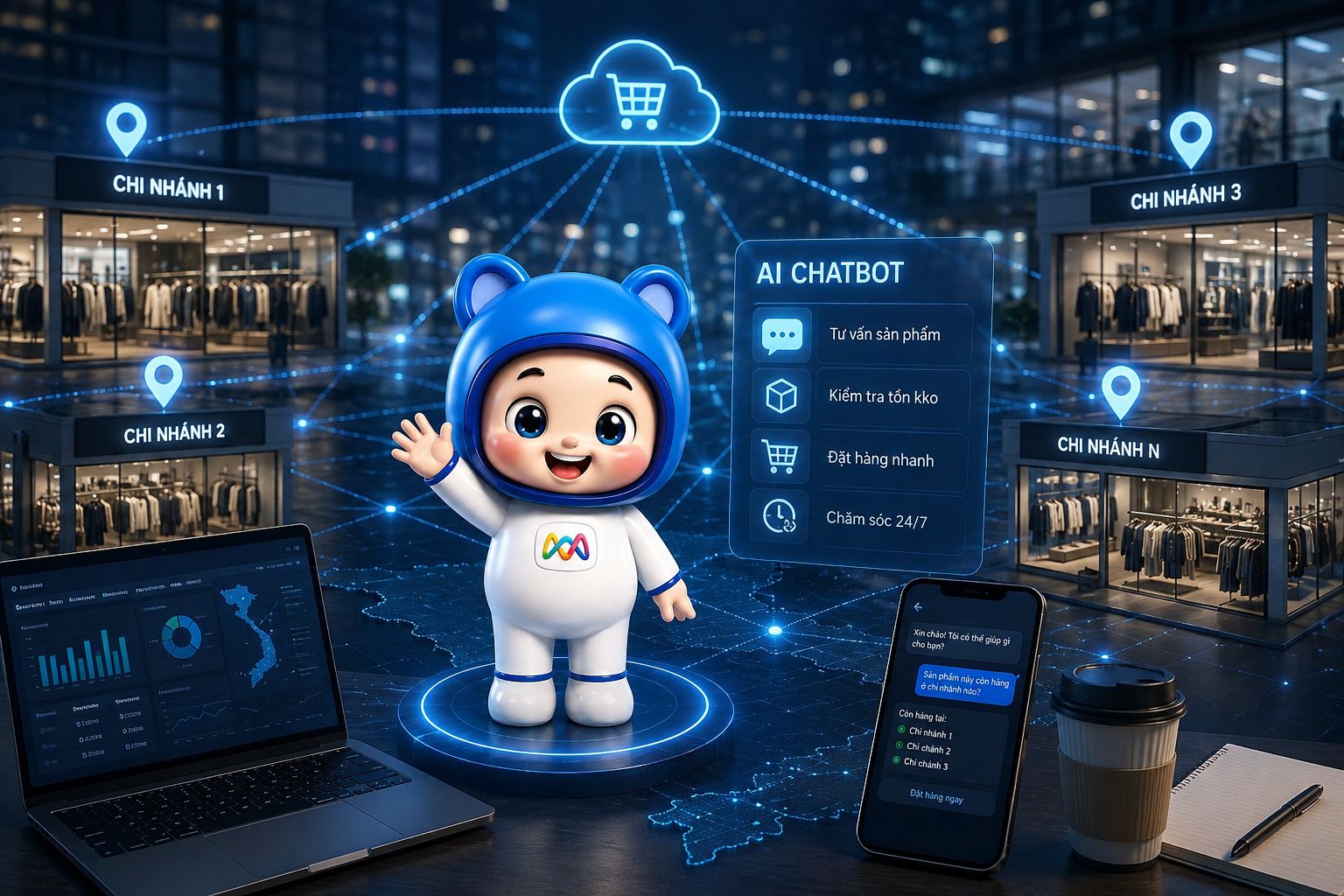
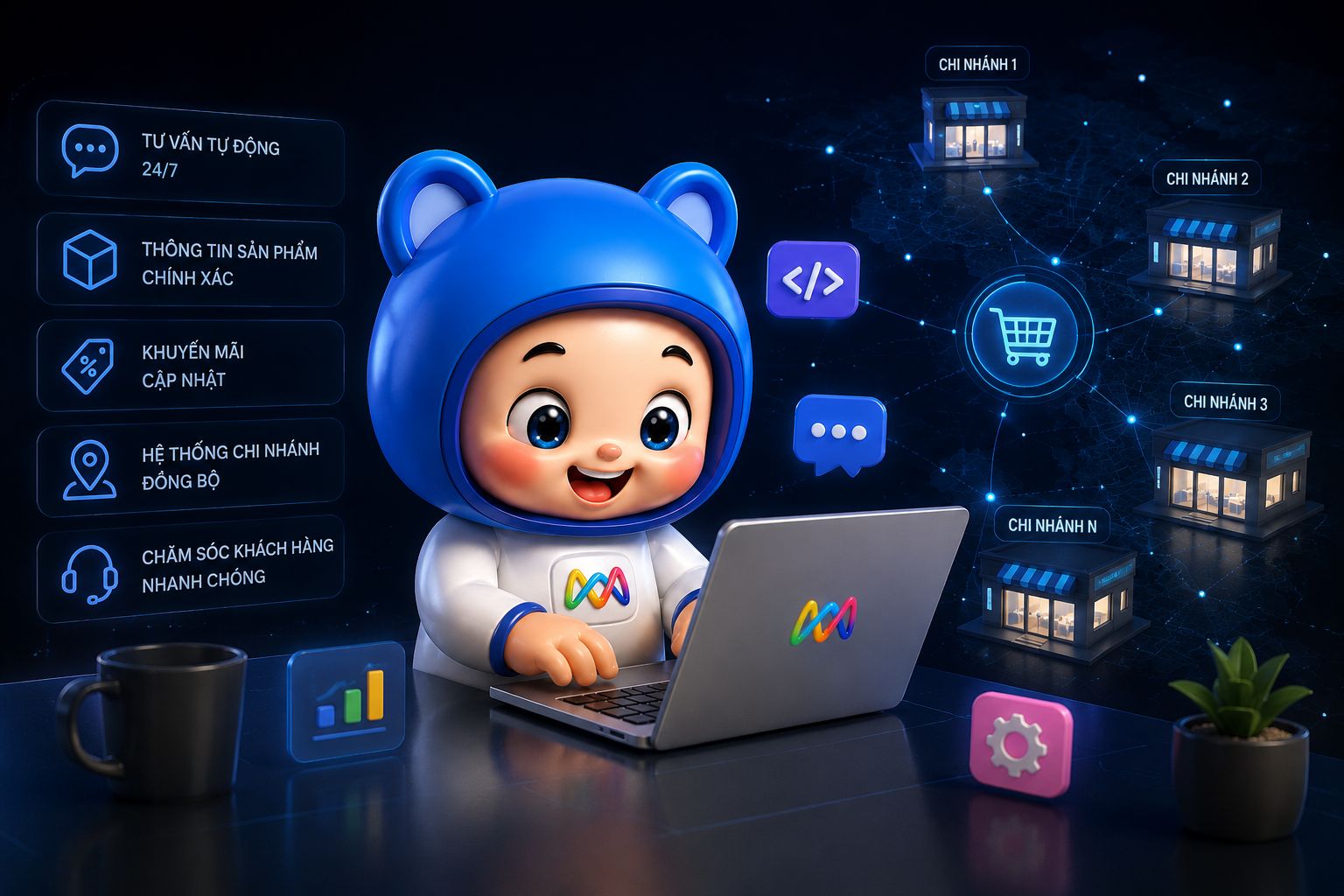
    • Instant 24/7 responses: Welcome and assist customers immediately on websites, Zalo OA, or Messenger, minimizing the risk of customers turning to competitors because they have to wait.
    • Standardized consultation processes: Ensure that information about prices, return policies, promotions, and other details remains consistent and accurate according to the brand’s guidelines.
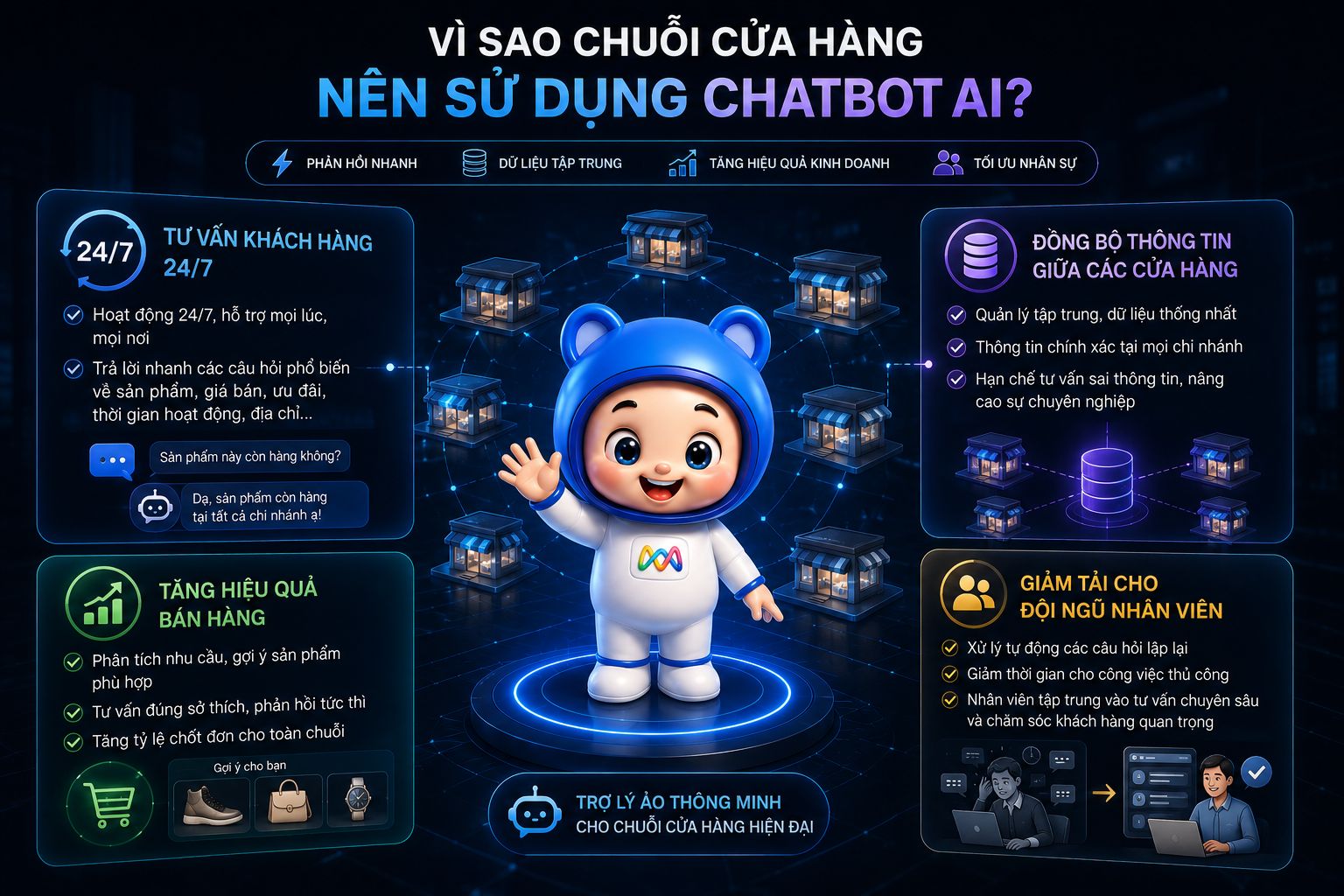
    • Save time for chat support teams: Reduce repetitive questions such as requests for price lists, store locations, or delivery times.

    How to Write an Effective Chatbot Script Step by Step

    Các bước viết kịch bản chatbot hiệu quả

    Define the Chatbot’s Goal

    Before starting how to create a chatbot script, businesses need to determine what the chatbot is designed to accomplish. Its goals may include increasing orders, providing product consultations, supporting customers, scheduling appointments, or collecting leads.

    Each goal requires a different conversation flow. Clearly defining the objective from the beginning helps keep the chatbot’s content focused and prevents unnecessarily long conversations.

    Identify Customer Needs and Behavior

    List the questions customers commonly ask when researching a product or service. For example:

    • How much does the product cost?
    • What models are available?
    • Do you offer delivery?
    • How long does delivery take?
    • What is your return policy?

    These questions provide the foundation for creating a customer consultation chatbot script that closely matches real customer needs.

    Build a Logical Conversation Flow

    A chatbot script should be divided into multiple branches instead of creating one long conversation. For example:

    Customer: I want to learn more about your products.

    Chatbot: Sure! Which product category are you interested in?

    → Product A
    → Product B
    → Product C

    After the customer makes a selection, the chatbot can provide relevant information and guide them toward the next action, such as viewing a product, requesting a quotation, or contacting a sales representative.

    This structure makes the conversation easier for customers to navigate and easier for businesses to manage.

    Keep the Content Short and Natural

    One of the most important principles of how to write a chatbot script is avoiding long blocks of information. The content should be concise, clear, and written in a natural conversational style.

    Instead of writing:

    “Dear customer, please select one of the product categories listed below.”

    A more natural version would be:

    “Which product are you interested in?”

    Natural wording makes the conversation more friendly and engaging.

    Set Up Human Handoff Scenarios

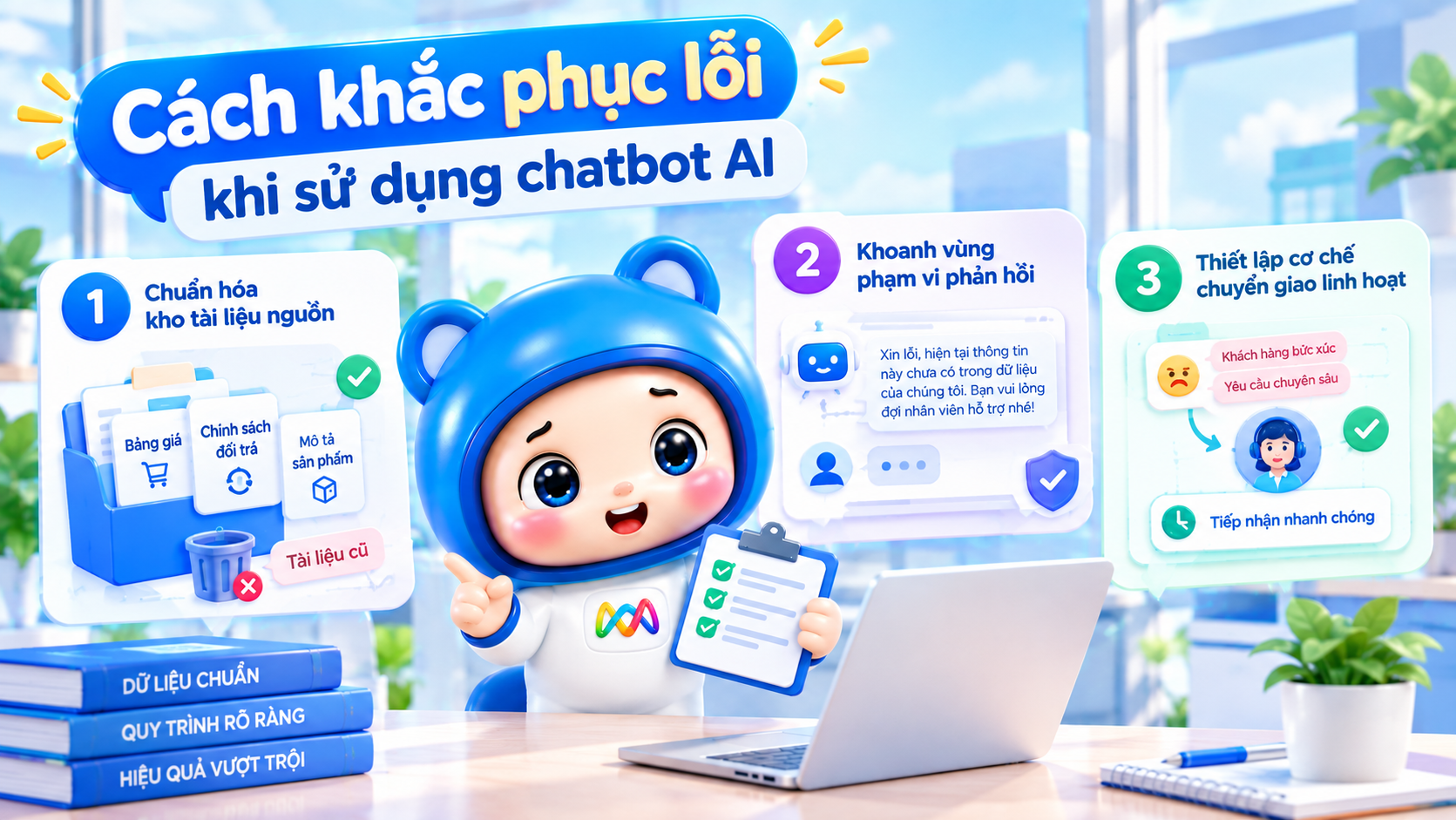
    Not every customer question can be handled by a chatbot. Therefore, the script should include a Human Handoff option when customers have complex issues or want to speak directly with a staff member.

    For example:

    “I don’t have enough information to provide an accurate answer to this case. Let me connect you with a consultant who can assist you right away!”

    This helps prevent incorrect chatbot responses and reduces customer frustration.

    Sample Chatbot Script for Businesses

    A basic chatbot script example can follow this process:

    Greet the customer → Identify their needs → Provide information → Answer questions → Recommend products/services → Collect customer information → Transfer to a staff member if needed.

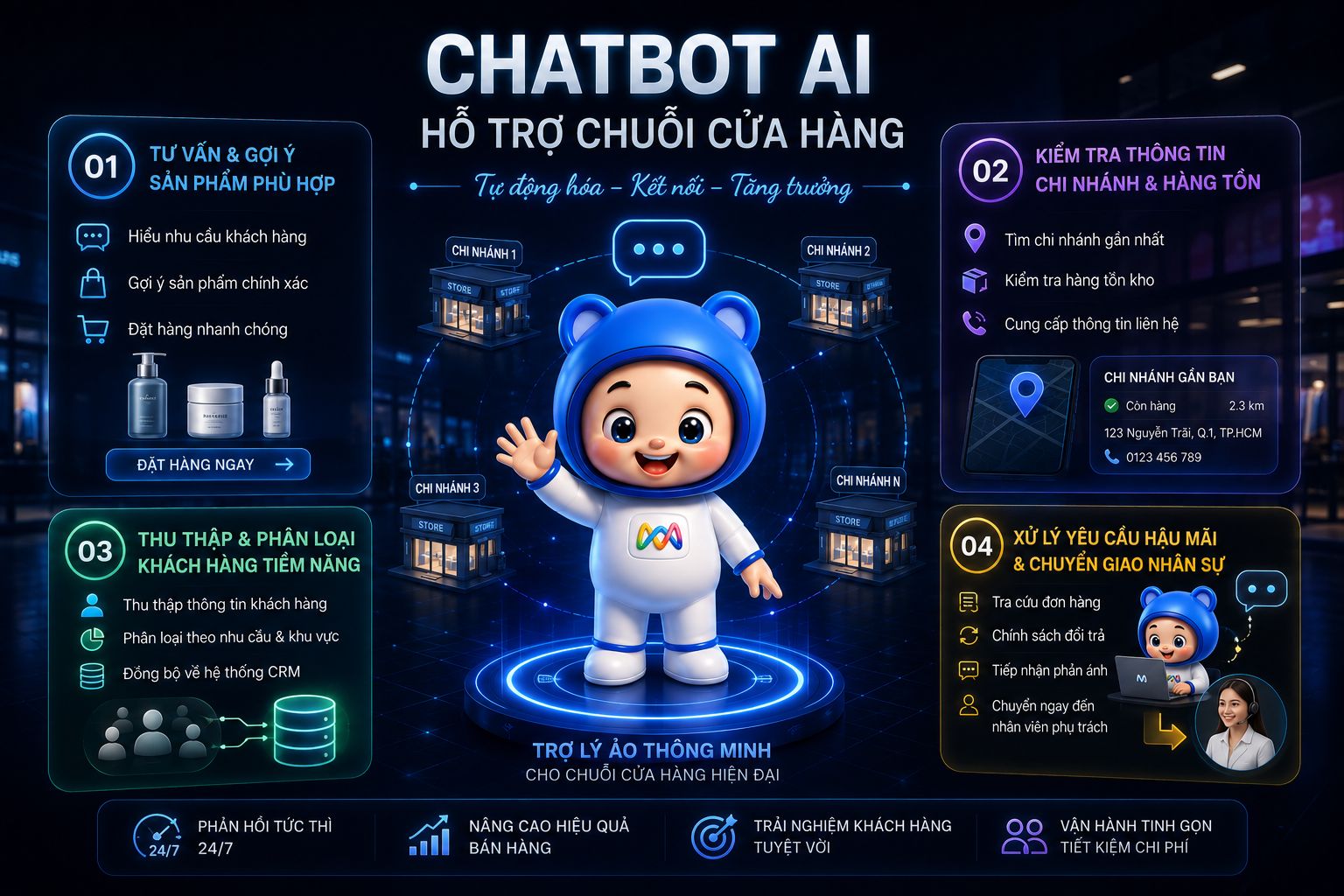
    For sales chatbots, businesses can add branches covering pricing, promotions, related products, delivery policies, and payment methods. For customer service chatbots, the focus should be on order tracking, usage instructions, feedback collection, and post-purchase support.

    Kịch bản chatbot mẫu cho doanh nghiệp

    Common Mistakes to Avoid When Writing a Chatbot Script

    Many businesses experience customers leaving immediately after the first message because of the following common mistakes:

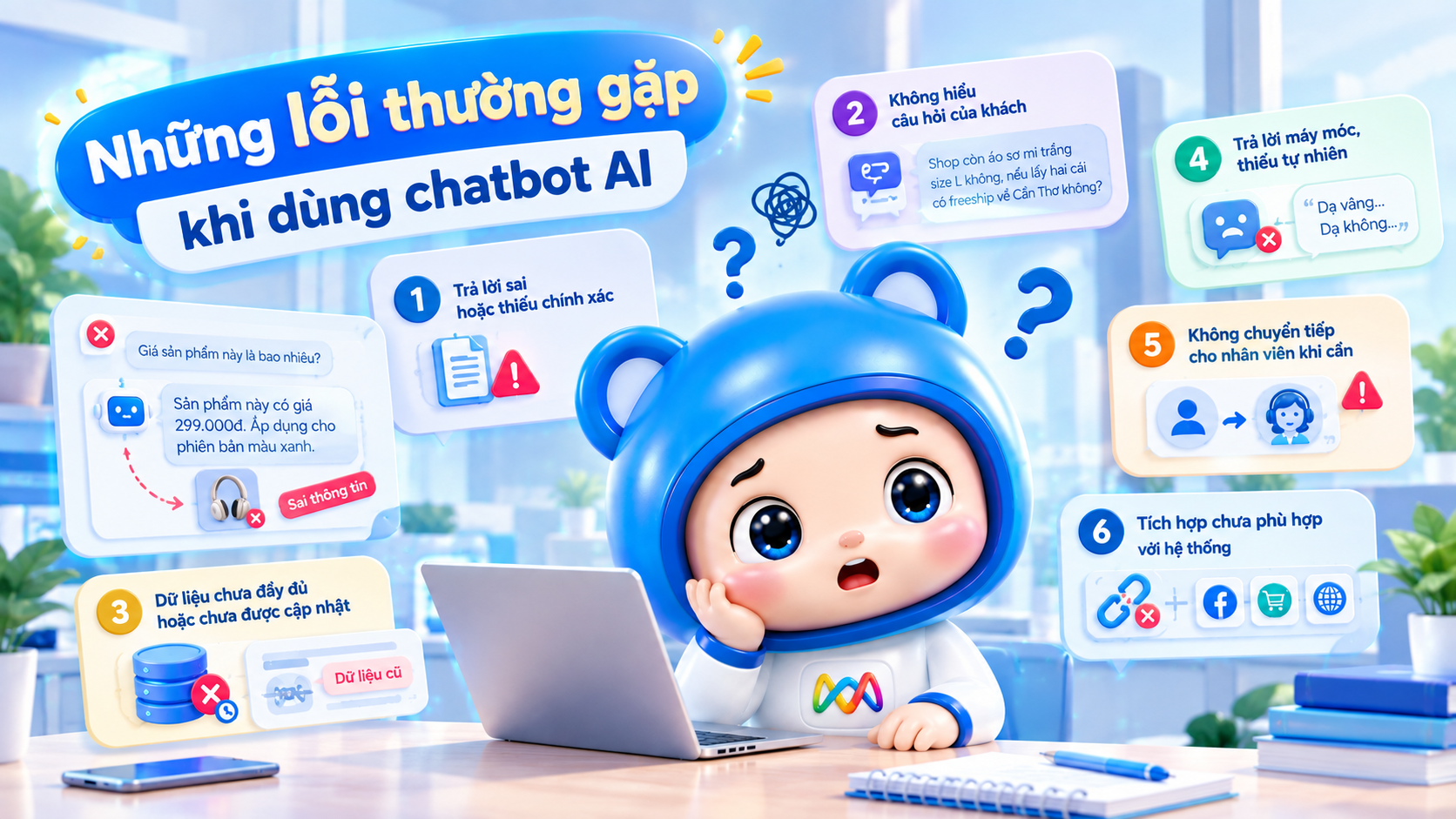
    • Forcing customers to read too much: Sending 4–5 long, text-heavy messages in a row can overwhelm users.
    • Creating endless loops: No matter which option customers select, they are redirected back to the main menu without receiving a specific answer.
    • Making the script too rigid: If customers make a spelling mistake or phrase their question slightly differently from the predefined keywords, the bot immediately reports that it cannot understand the request.

    Optimizing Chatbot Scripts with AI

    With an AI chatbot, businesses do not necessarily have to build the entire conversation using fixed questions and answers. AI can be trained on business data to understand context, identify customer needs, and generate more relevant responses.

    By combining a structured script with natural language processing capabilities, a chatbot can maintain accurate information while delivering a more natural conversational experience.

    Therefore, instead of simply building an automated response bot, businesses should invest in a system capable of learning from business data, consulting customers, and collaborating with human agents when necessary. This provides a foundation for AI chatbots to become powerful tools for business growth and customer service.

    Conclusion

    Applying the right approach to writing chatbot scripts helps businesses optimize operational resources and respond to customers quickly, around the clock. Start by standardizing frequently asked questions, establishing basic consultation flows, and gradually upgrading to intelligent AI solutions to deliver a better shopping experience today.

  • AI Chatbot for Customer Demand Forecasting – Optimize Your Business with AI

    AI Chatbot for Customer Demand Forecasting – Optimize Your Business with AI

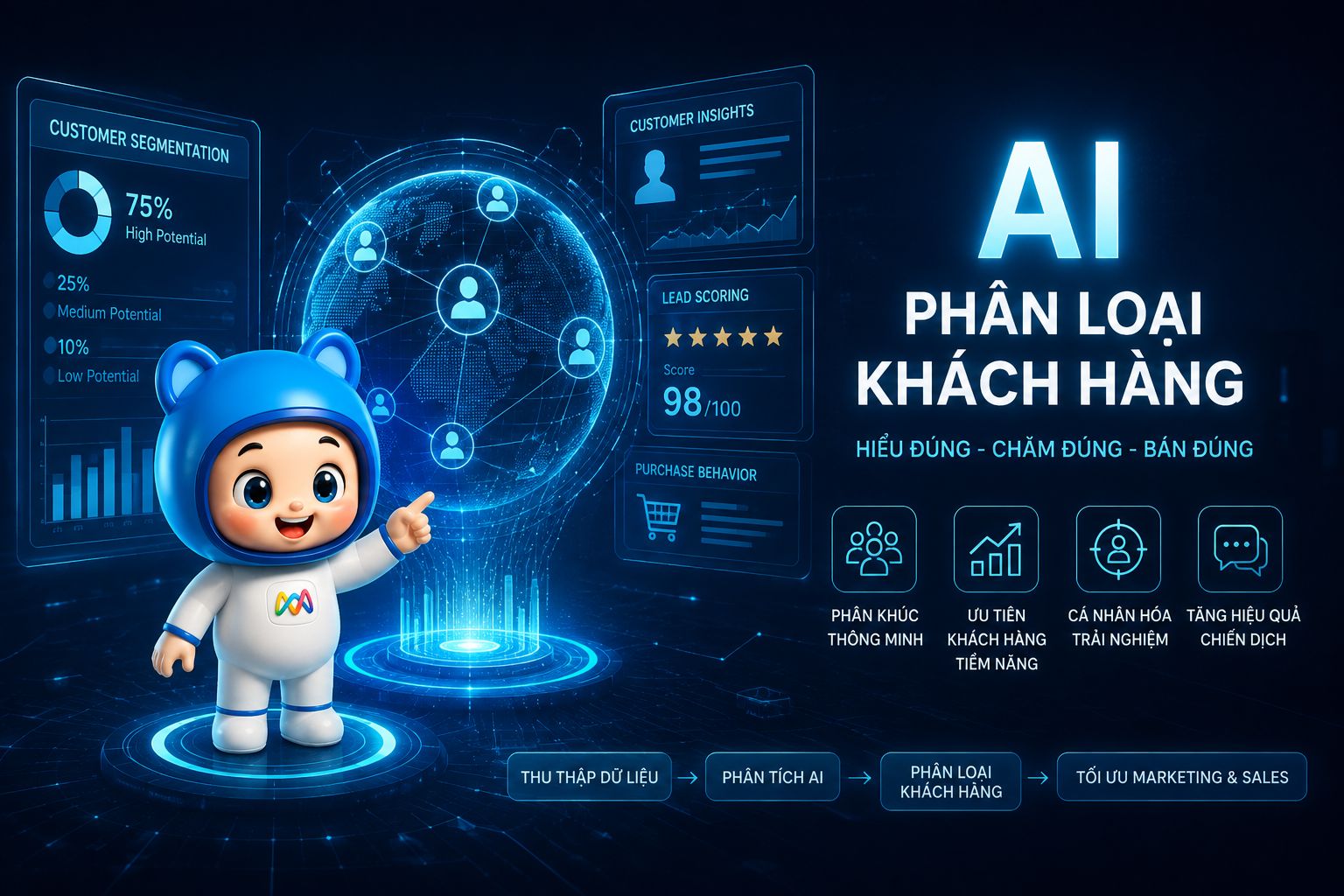
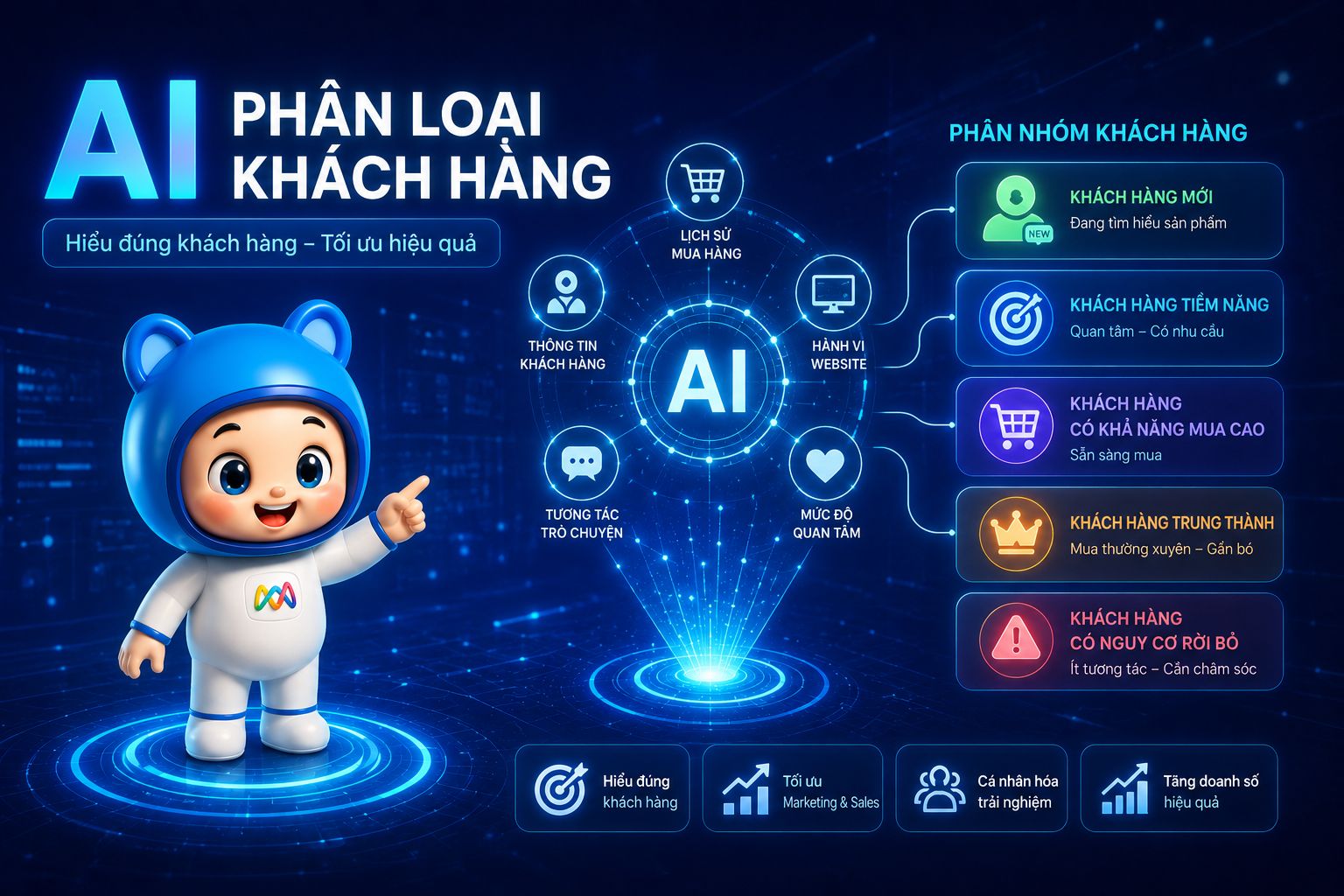
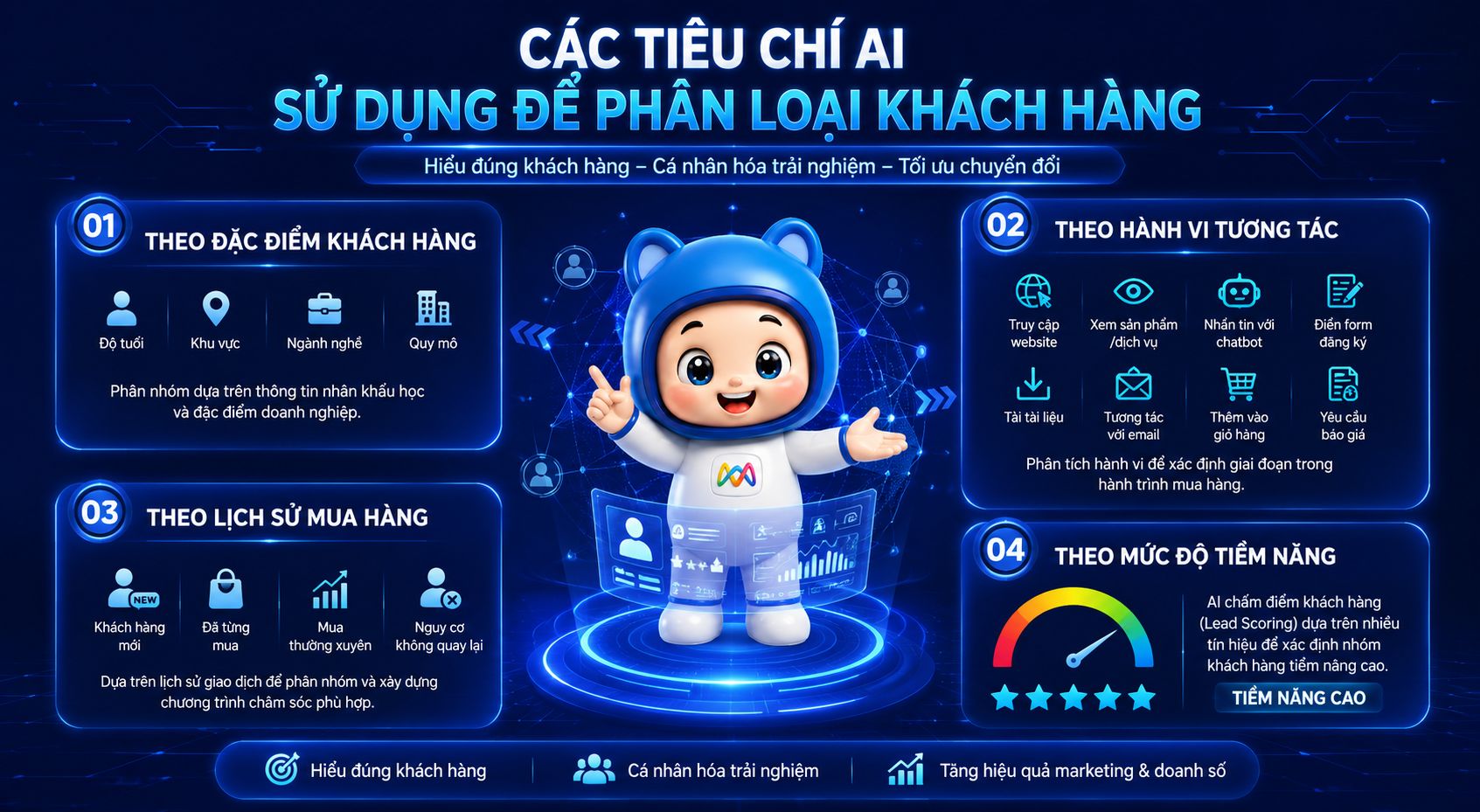
    In a competitive business environment, understanding what customers need and which products they are likely to purchase is essential for improving sales performance. Instead of simply responding when customers ask questions, an AI chatbot for customer demand forecasting can analyze data and interaction behavior to identify customer needs, helping businesses develop more effective customer service and sales strategies.

    What Is an AI Chatbot for Customer Demand Forecasting?

    Chatbot AI phân tích hành vi và dự báo nhu cầu khách hàng

    An AI chatbot for customer demand forecasting is a solution that combines chatbot technology with artificial intelligence to analyze customer information, interaction history, and user behavior in order to predict future needs.

    Rather than functioning only as a question-answering tool, the chatbot can identify signals indicating that a customer is interested in a particular product, has purchase intent, or may need further consultation. These insights enable businesses to take a more proactive approach to customer engagement.

    How Does an AI Chatbot for Customer Demand Forecasting Work?

    Ứng dụng chatbot AI trong dự báo nhu cầu và hỗ trợ bán hàng

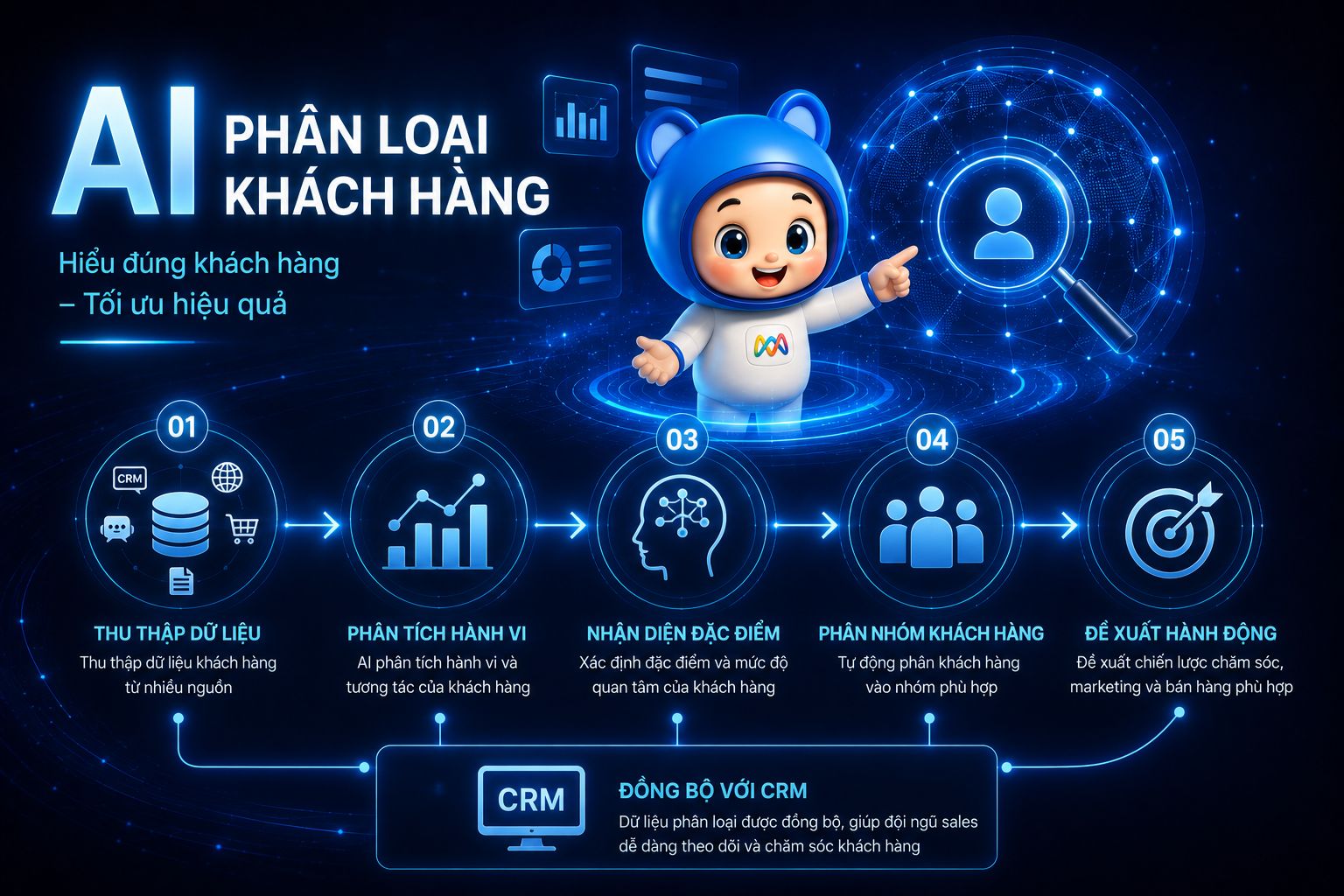
    Collecting Customer Data

    The chatbot can record information generated during customer interactions, including questions, products of interest, conversation history, and customer feedback. When combined with data from websites, CRM systems, or sales channels, businesses can build a more comprehensive customer data source.

    Analyzing Customer Behavior and Needs

    AI uses collected data to identify patterns and signals in customer behavior. For example, a customer who repeatedly views information about the same product category or asks multiple questions about pricing and features may be in the consideration stage of the buying journey.

    Providing Predictions and Relevant Responses

    Based on the analysis, the chatbot can help classify customer needs and provide responses tailored to each customer segment. This allows businesses to avoid using the same customer service script for every user.

    Practical Benefits for Businesses

    Applying conversational AI technology can create several competitive advantages:

    Lợi ích chatbot AI trong thấu hiểu và cá nhân hóa khách hàng

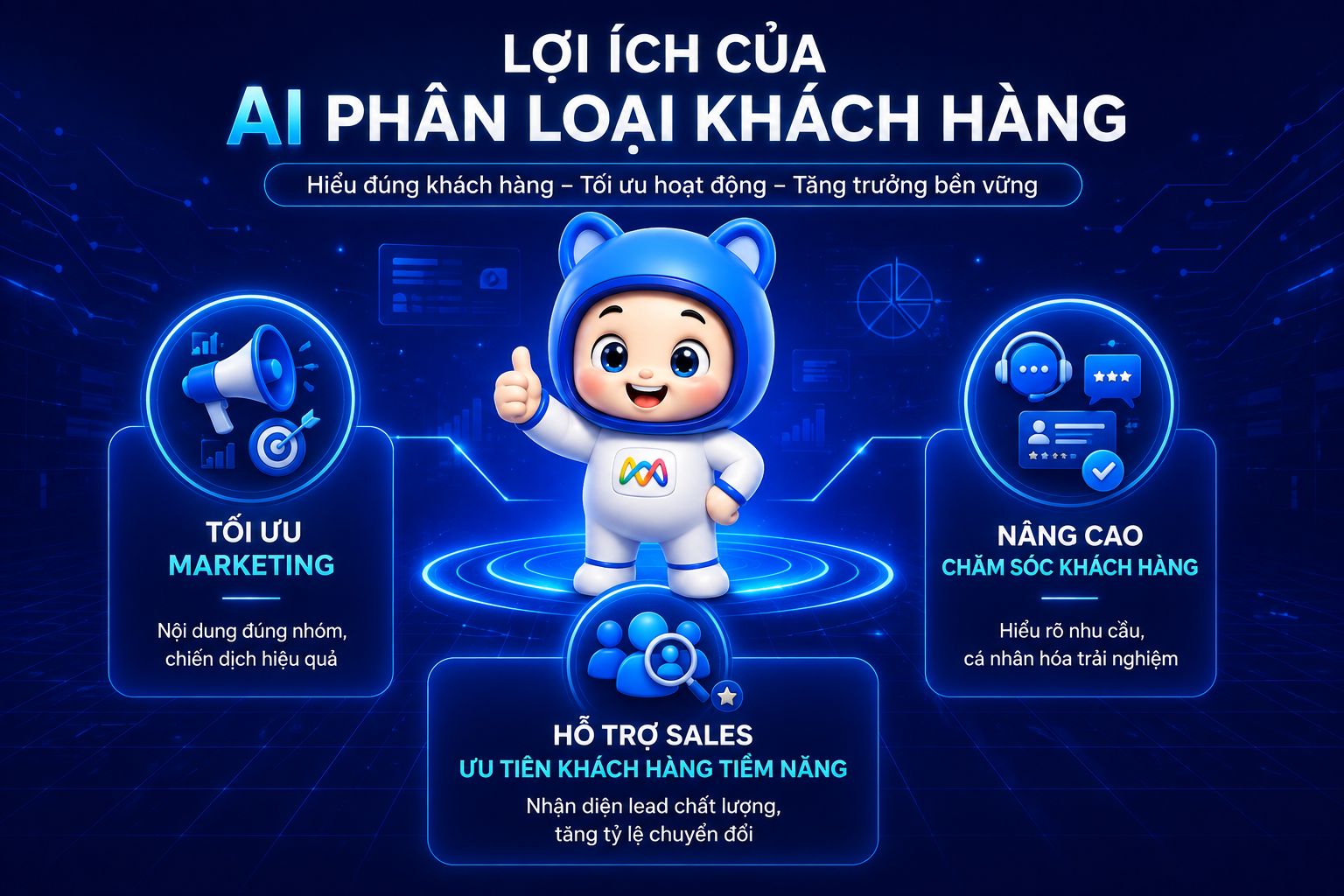
    • Gain deeper customer insights: The system can record and categorize preferences, budgets, and purchasing habits across different customer segments without missing valuable data.
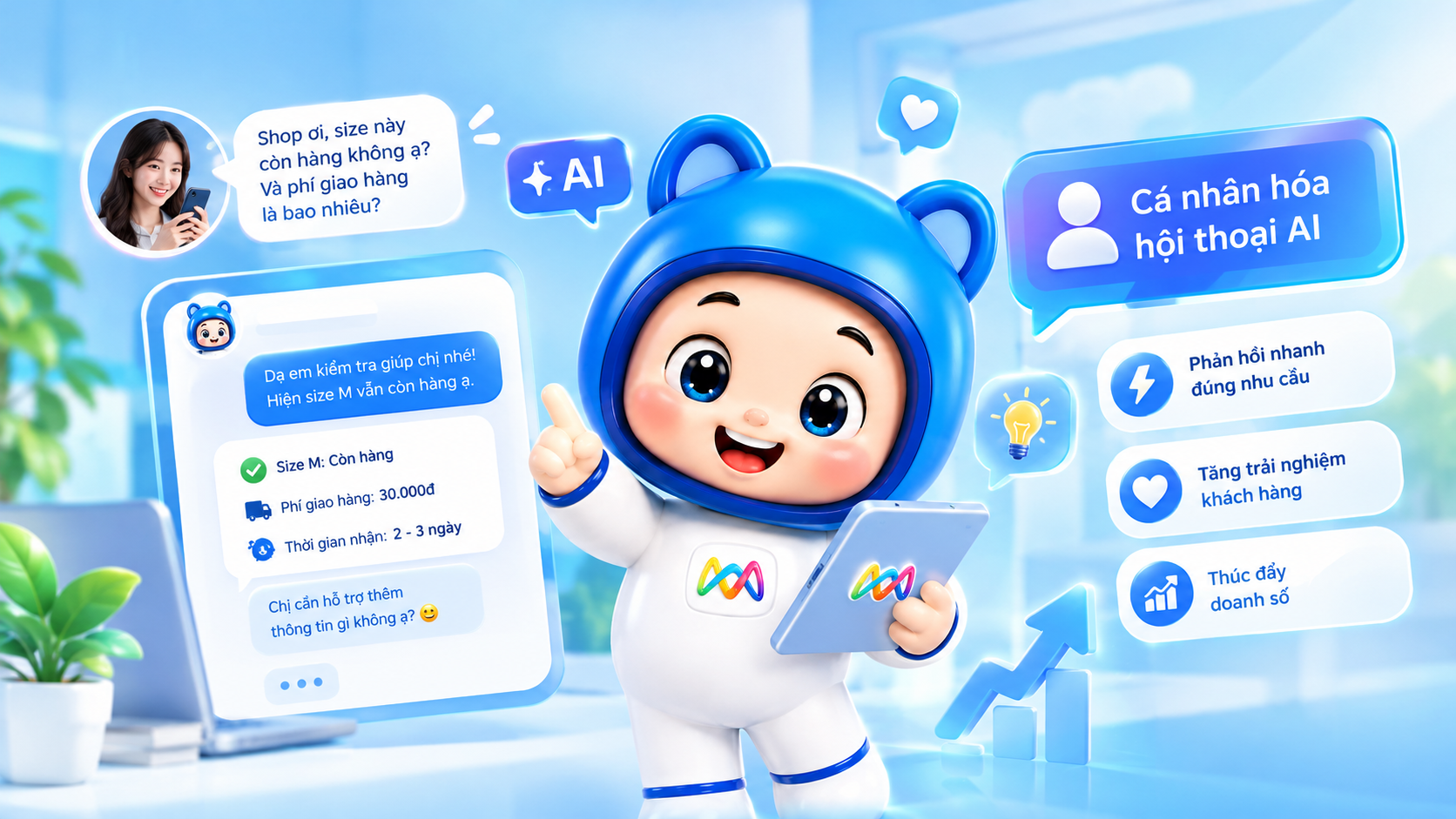
    • Personalize the customer experience: Each customer receives responses and product recommendations tailored to their specific needs at the time of interaction.
    • Increase sales opportunities: Accurate recommendations delivered at the right moment can improve conversion rates and reduce the risk of customers leaving because they cannot find a suitable product.
    • Optimize operational resources: Automated 24/7 responses reduce the workload for customer service teams, allowing employees to focus on higher-value sales opportunities.

    Applications of AI Chatbot for Customer Demand Forecasting

    Predicting Purchasing Demand

    Businesses can use chatbot data to identify product categories that customers are most interested in, supporting sales planning and inventory preparation.

    Supporting Consultation and Sales

    The chatbot can identify purchase intent through conversations and provide relevant recommendations. When a customer shows strong purchase intent, the system can transfer the conversation to a sales representative for further consultation.

    Customer Service

    After a purchase, the chatbot can continue to answer questions, provide product usage guidance, and collect customer feedback. This data can also provide valuable insights into customer needs after the sale.

    Supporting Marketing Activities

    Information about customer behavior and needs helps businesses develop more relevant content, promotional programs, and marketing campaigns for different target segments.

    Chatbot AI dự báo nhu cầu khách hàng hỗ trợ doanh nghiệp bán hàng, chăm sóc khách hàng và marketing.

    What Should Businesses Consider When Implementing AI Chatbots?

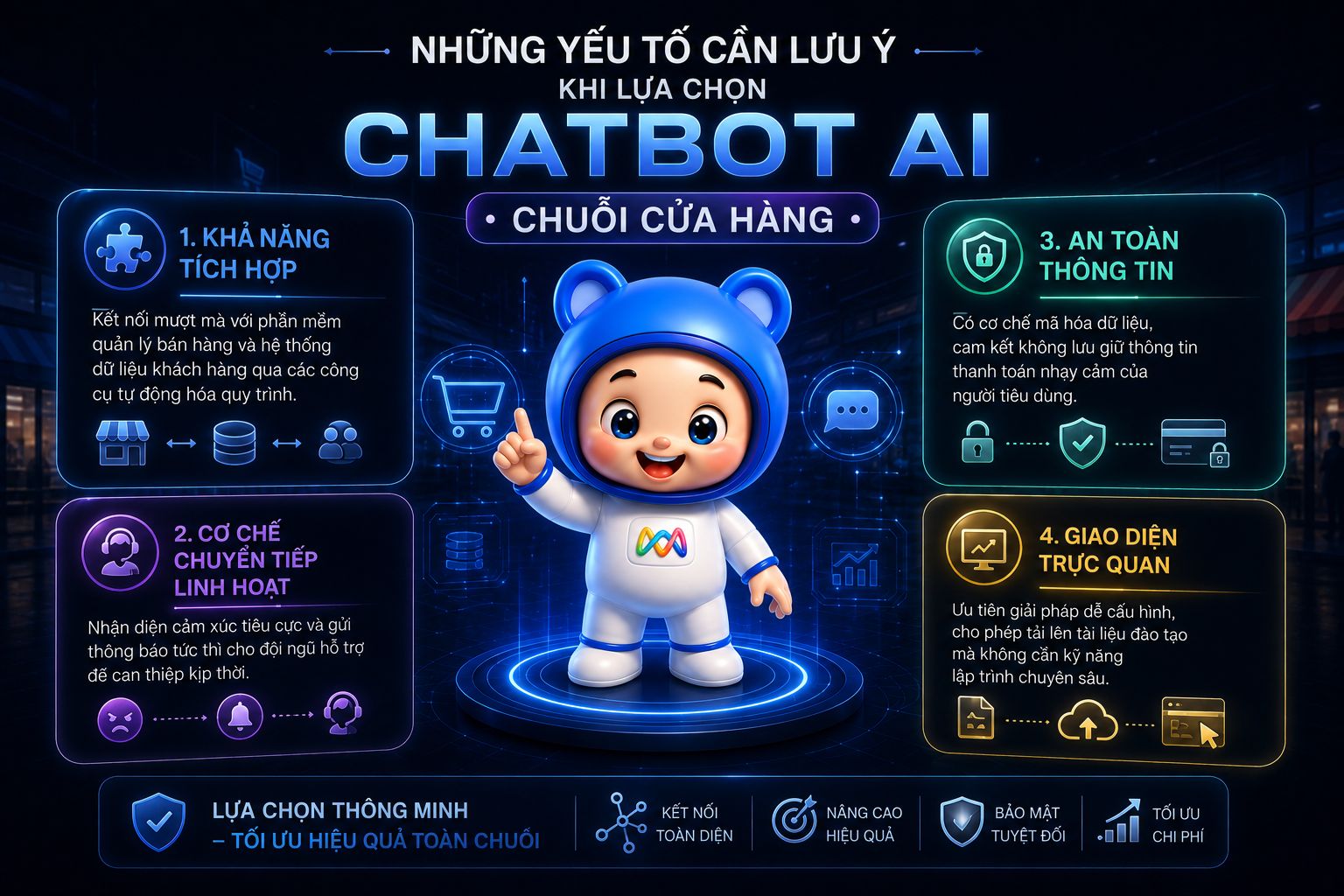
    For an AI chatbot for customer demand forecasting to operate effectively, businesses should pay close attention to the quality of input data, integration capabilities with existing systems, and the design of customer interaction scenarios.

    AI should also serve as a support tool rather than completely replacing human employees. For complex cases or customers who require in-depth consultation, connecting them with a human representative can help ensure a better customer experience.

    AI Chatbot for Customer Demand Forecasting with Chat Vareno

    Chat Vareno helps businesses apply AI to customer communication, consultation, and customer service. By combining business data with AI-powered analysis, the chatbot can help identify customer needs, segment customers, and provide more relevant responses throughout each conversation.

    Conclusion

    An AI chatbot for customer demand forecasting helps businesses move from reactive customer support to a more proactive approach to understanding and meeting customer needs. This is a valuable application of AI for personalizing customer experiences, supporting sales activities, and optimizing customer service in the digital era.

  • Multilingual Chatbot – An AI Solution to Connect with Customers Worldwide

    Multilingual Chatbot – An AI Solution to Connect with Customers Worldwide

    As businesses continue their digital transformation, they are increasingly looking to reach customers across different markets and countries. However, language differences can become a barrier to customer consultation, support, and sales. A multilingual chatbot provides an AI-powered solution that enables businesses to communicate with customers in multiple languages, delivering a faster, more convenient, and consistent experience.

    What Is a Multilingual Chatbot?

    A multilingual chatbot is a chatbot system designed to recognize and process multiple languages within a single platform. Instead of responding to customers in only one fixed language, the chatbot can identify the language being used and respond accordingly.

    With AI-powered natural language processing capabilities, a multilingual chatbot can help customers find information, answer questions, provide product recommendations, and perform various other tasks without requiring employees to handle every conversation manually.
    Why Should Businesses Use a Multilingual Chatbot?

    As businesses expand internationally, response speed and personalized experiences become key factors influencing conversion rates. Integrating AI technology into customer communication processes can provide significant operational advantages.

    Chatbot đa ngôn ngữ nhận diện và phản hồi khách hàng bằng nhiều ngôn ngữ

    24/7 Customer Support

    One of the key benefits of a multilingual chatbot is its ability to operate continuously. Customers can ask questions at any time and receive automated responses without depending on the company’s business hours.
    Time zone differences across continents are no longer a major obstacle. An AI assistant can remain available 24/7 across multiple platforms, including websites, Zalo OA, and Messenger, responding to customer inquiries in just a few seconds.

    Breaking Down Language Barriers

    Language is one of the factors that directly affects the customer experience. When users can communicate in a language they are comfortable with, they can understand information more easily and interact with the business more naturally.
    An AI multilingual chatbot helps businesses reduce their dependence on multilingual customer service staff while creating a consistent communication experience across different markets.
    Expand into International Markets

    When businesses want to reach international customers, deploying a multilingual chatbot can provide significant support during the early stages of expansion. The chatbot can provide product consultations, service information, and receive inquiries from customers around the world.

    This allows businesses to expand their reach without having to build a separate customer service team for every market.

    Reduce Operational Costs

    Instead of hiring and maintaining teams of multilingual employees to work around the clock, businesses can upload their operational and business documents to the system once. Maintaining an AI-powered technology infrastructure can be significantly more cost-effective than relying entirely on traditional staffing models.

    Which Languages Can a Multilingual Chatbot Support?

    Powered by advanced LLM technology, modern AI Agent solutions can process more than 100 languages and local language variations. Supported languages can generally be divided into several groups:

    Chatbot AI hỗ trợ tiếng Việt tiếng Anh tiếng Trung tiếng Nhật và nhiều ngôn ngữ

    • Major global languages: English, Chinese (Simplified and Traditional), Spanish, French, and German.
    • Asia-Pacific languages: Vietnamese, Japanese, Korean, Thai, and Bahasa Indonesia.
    • Less common languages and local variations: Automatically adapt industry-specific terminology, slang, and cultural nuances according to different regions.

    Applications of Multilingual Chatbots in Business

    AI assistants can automate many important stages throughout the customer journey.

    Customer Service and Consultation

    A multilingual customer service chatbot can answer frequently asked questions, guide customers on product usage, provide service information, and support customers before and after a purchase.

    When a more complex issue arises, the chatbot can transfer the conversation to a human employee for further assistance, creating an effective AI-human collaboration process.

    Sales and Lead Generation

    A chatbot is not limited to answering questions. It can also support sales activities by identifying customer needs, recommending suitable products, collecting contact information, and recording customer requirements.

    For businesses serving international customers, multilingual sales consultations can reduce communication barriers during the purchasing process and increase conversion opportunities.

    Supporting International Businesses

    Businesses operating in e-commerce, tourism, education, logistics, import and export, and other international industries can use multilingual chatbots to support customers and partners from different countries.

    The chatbot can serve as the first point of contact, helping customers quickly find the information they need before being connected with the appropriate specialist.

    How to Choose the Right Multilingual Chatbot

    When choosing a multilingual chatbot solution, businesses should consider its ability to understand context, the number of supported languages, response accuracy, and integration capabilities with websites, social media platforms, and CRM systems.

    The ability to customize the chatbot using business-specific data is also essential. An effective chatbot should not only understand different languages but also understand the company’s products, services, policies, and brand communication style.

    Conclusion

    A multilingual chatbot helps businesses break down language barriers, automate 24/7 customer support, and expand into international markets more effectively. With Chat Vareno, businesses can leverage AI to provide customer consultation and support in multiple languages while optimizing resources and improving the overall user experience.