Category: News

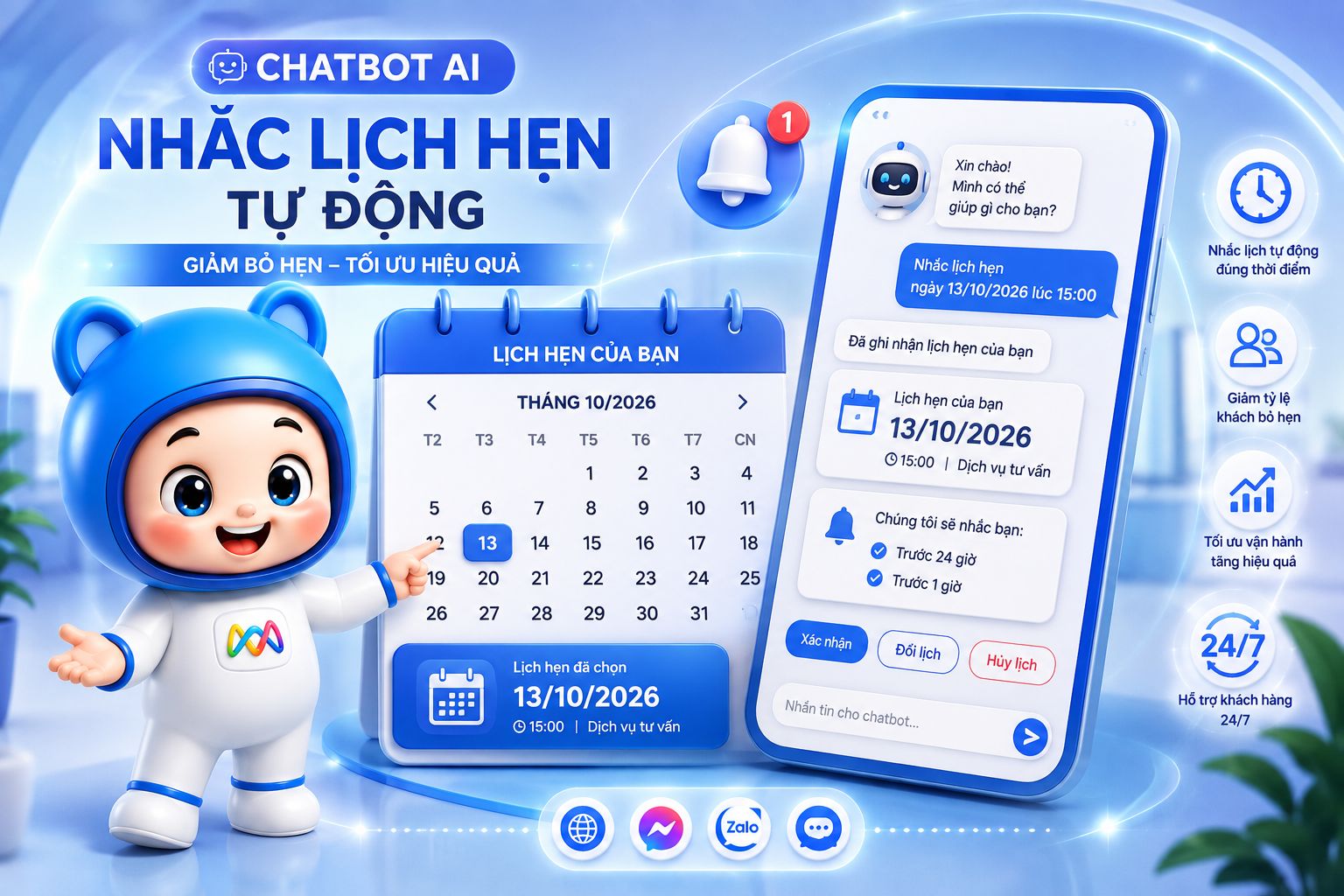
  • AI Chatbot for Automated Appointment Reminders: The Optimal Solution for Customer Care

    AI Chatbot for Automated Appointment Reminders: The Optimal Solution for Customer Care

    Customers booking appointments but failing to show up is a common challenge that causes headaches for many service businesses. A missed appointment not only wastes valuable resources but also directly affects revenue and operational efficiency.

    AI chatbot for automated appointment reminders provides a more proactive approach. Instead of having employees manually call or message each customer, AI can automatically record appointments, send reminders, confirm attendance, and assist with rescheduling when needed. This helps businesses reduce the workload for employees while delivering a more professional and convenient customer experience.

    What Is an AI Chatbot for Automated Appointment Reminders?
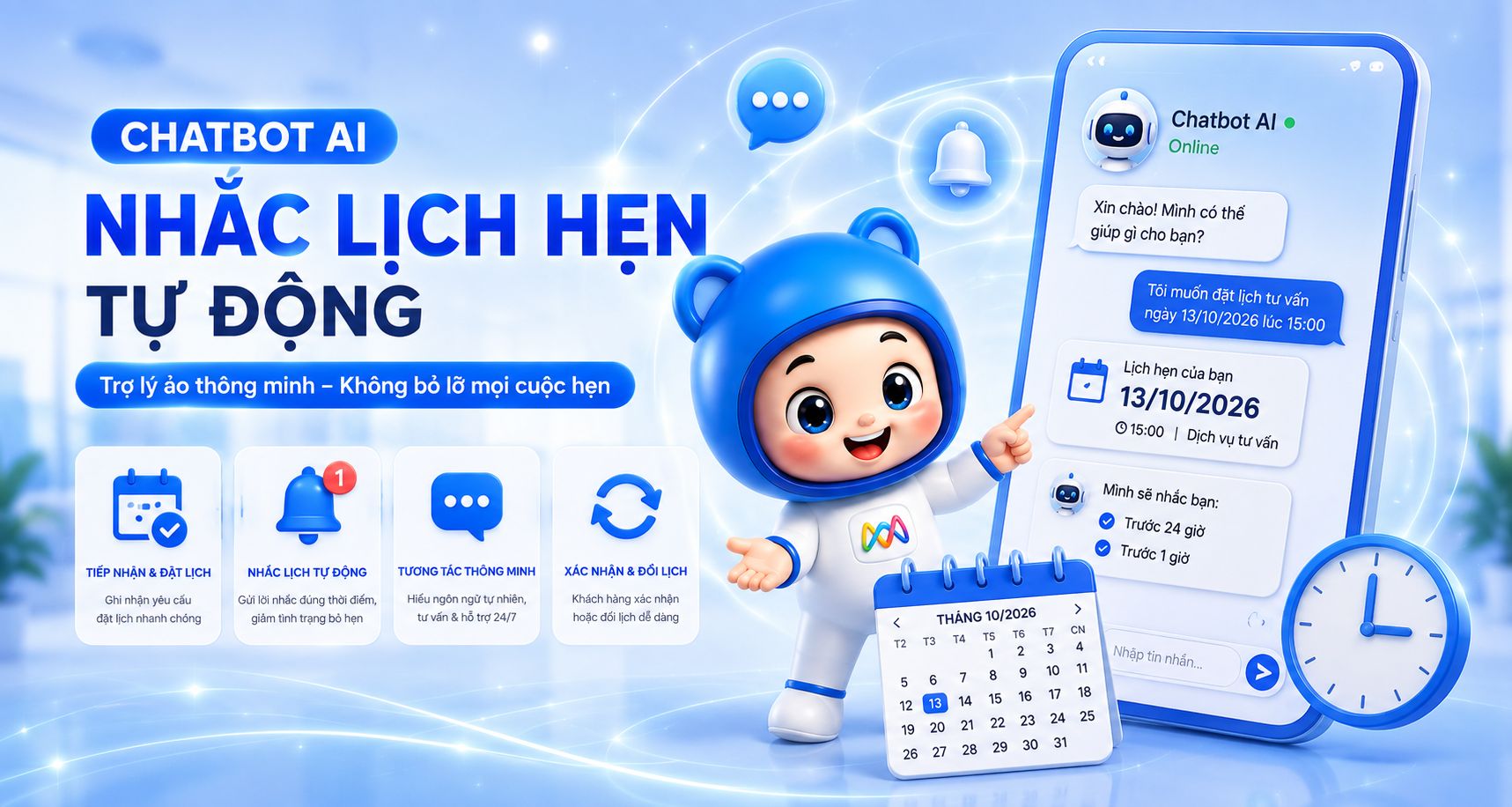
    Chatbot AI tự động nhắc lịch hẹn và hỗ trợ khách hàng

    An AI chatbot for automated appointment reminders is a virtual assistant solution that uses artificial intelligence to help businesses manage appointments and support customers before, during, and after scheduled appointments.

    The system can receive appointment requests, record dates and times, identify the services customers are interested in, send appointment reminders, and handle responses directly through online communication channels.

    Unlike pre-configured reminder messages, AI chatbots can understand natural language and interact more flexibly. Customers can ask for additional information, confirm appointments, or request schedule changes without necessarily having to wait for an employee to assist them.

    Why Should Businesses Use an AI Chatbot for Appointment Reminders?
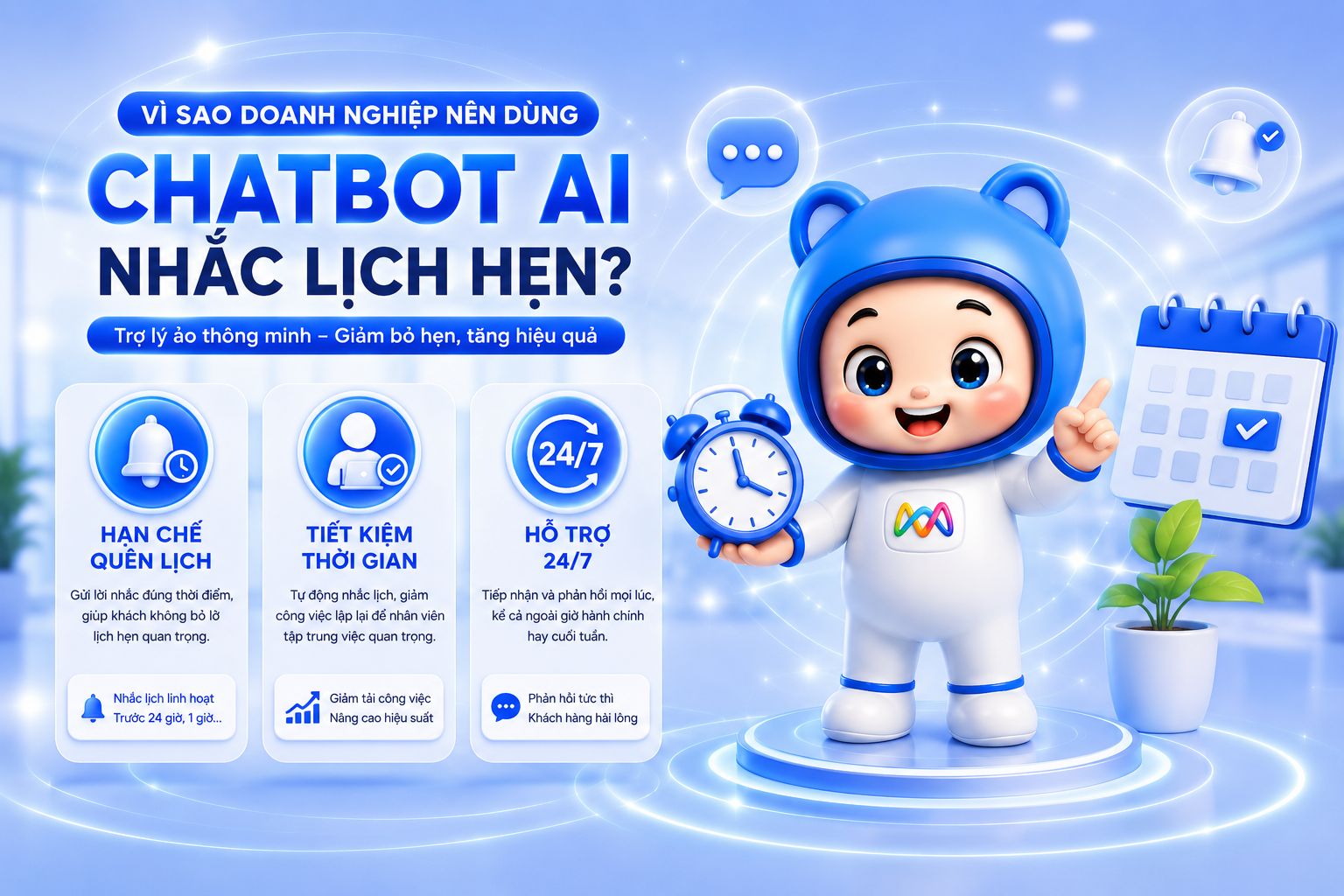
    Reduce Missed Appointments

    Appointments scheduled several days in advance are easy for customers to forget. Sending reminders at the right time allows customers to arrange their schedules and reduces the risk of cancellations or no-shows without prior notice.

    Businesses can also set multiple reminder intervals, such as 24 hours or a few hours before the appointment, depending on the characteristics of their services.

    Save Employees’ Time

    Instead of spending hours checking appointment lists and calling customers individually, employees can let the chatbot handle routine reminder tasks automatically.

    Staff can then focus on cases that require in-depth consultation or special assistance. This reduces repetitive work and improves team productivity.

    Provide 24/7 Customer Support

    Customers may need to check or change their appointments in the evening, on weekends, or outside business hours. An AI chatbot can receive and respond to these requests immediately, allowing businesses to maintain continuous support without requiring employees to work around the clock.

    How Does an AI Chatbot for Automated Appointment Reminders Work?

    The process can be implemented through several simple steps:
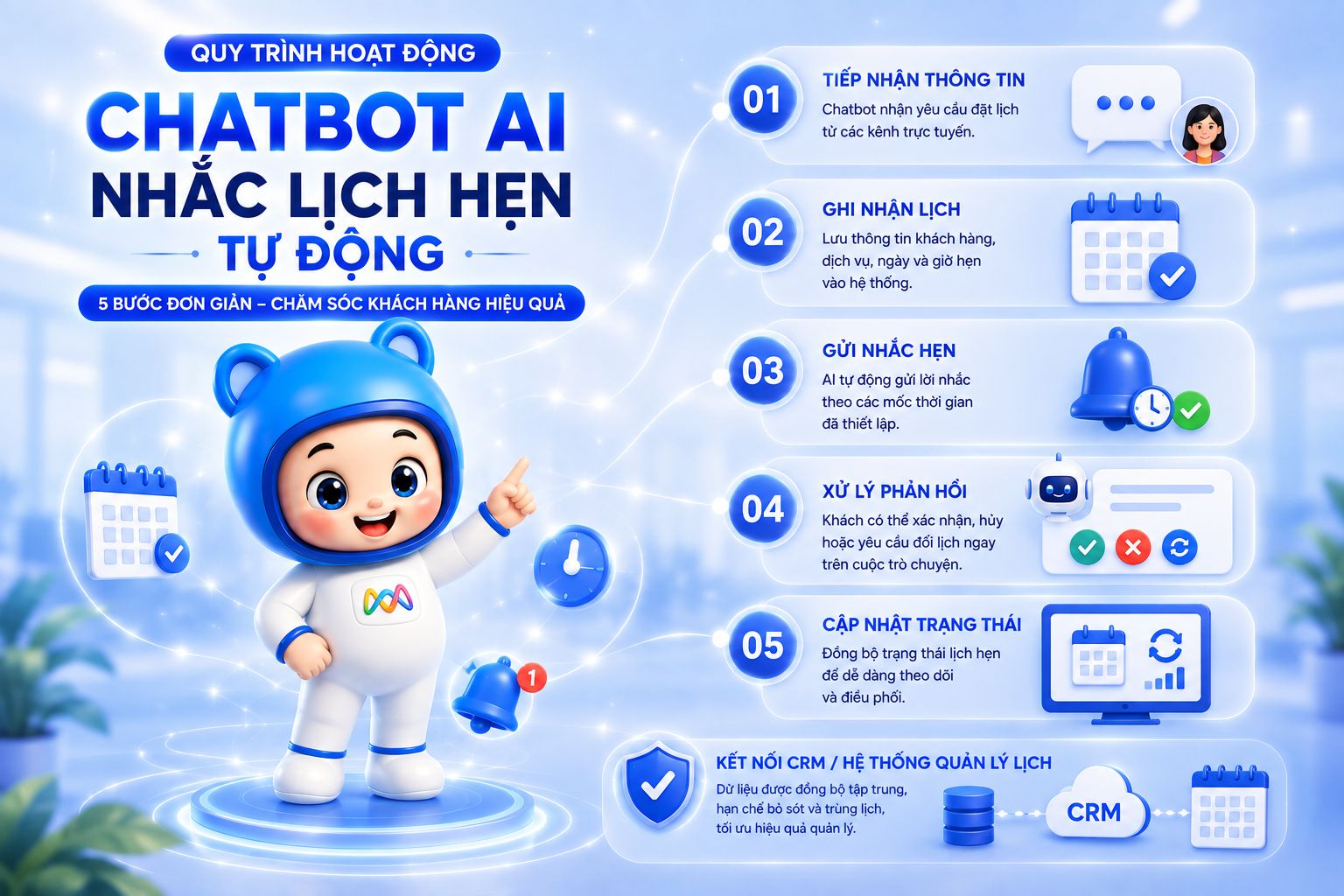
    Quy trình chatbot AI đặt lịch và gửi nhắc hẹn tự động

    Receive Information → Record Appointment → Send Reminder → Process Confirmation → Update Status

    • Step 1 – Receive Information: The chatbot receives appointment requests from websites, social media, or other integrated channels.
    • Step 2 – Record Appointment: Customer information, services, appointment dates, and times are stored in the system.
    • Step 3 – Send Reminders: AI automatically sends notifications according to predefined time intervals.
    • Step 4 – Process Responses: Customers can confirm, cancel, or request a schedule change directly through the conversation.
    • Step 5 – Update Status: Appointment statuses are synchronized so businesses can easily monitor and manage their schedules.

    When integrated with a CRM or appointment management system, all data can be updated centrally, helping minimize missed appointments and scheduling conflicts.

    Key Features of an AI Chatbot for Automated Appointment Reminders

    Automated Appointment Booking

    Customers do not need to go through complicated booking processes. With a simple natural-language message such as “tomorrow afternoon at 3 PM” or “book me for Saturday,” the chatbot can help identify the requested time and guide customers through the established booking process.

    Automated Appointment Reminders

    The chatbot can send notifications at different intervals before an appointment. Messages can include not only the date and time but also the business address, directions, service information, or important preparation instructions.

    Appointment Confirmation and Rescheduling

    Customers can confirm their appointments directly through the chatbot or request a different time. If a request falls outside the chatbot’s capabilities, the conversation can be transferred to an employee for further assistance.

    Data Synchronization and Management

    When integrated with a CRM or appointment management system, booking, rescheduling, and cancellation information can be synchronized automatically. Managers can easily monitor appointment statuses and proactively allocate resources.

    Applications of AI Chatbots for Appointment Reminders Across Industries
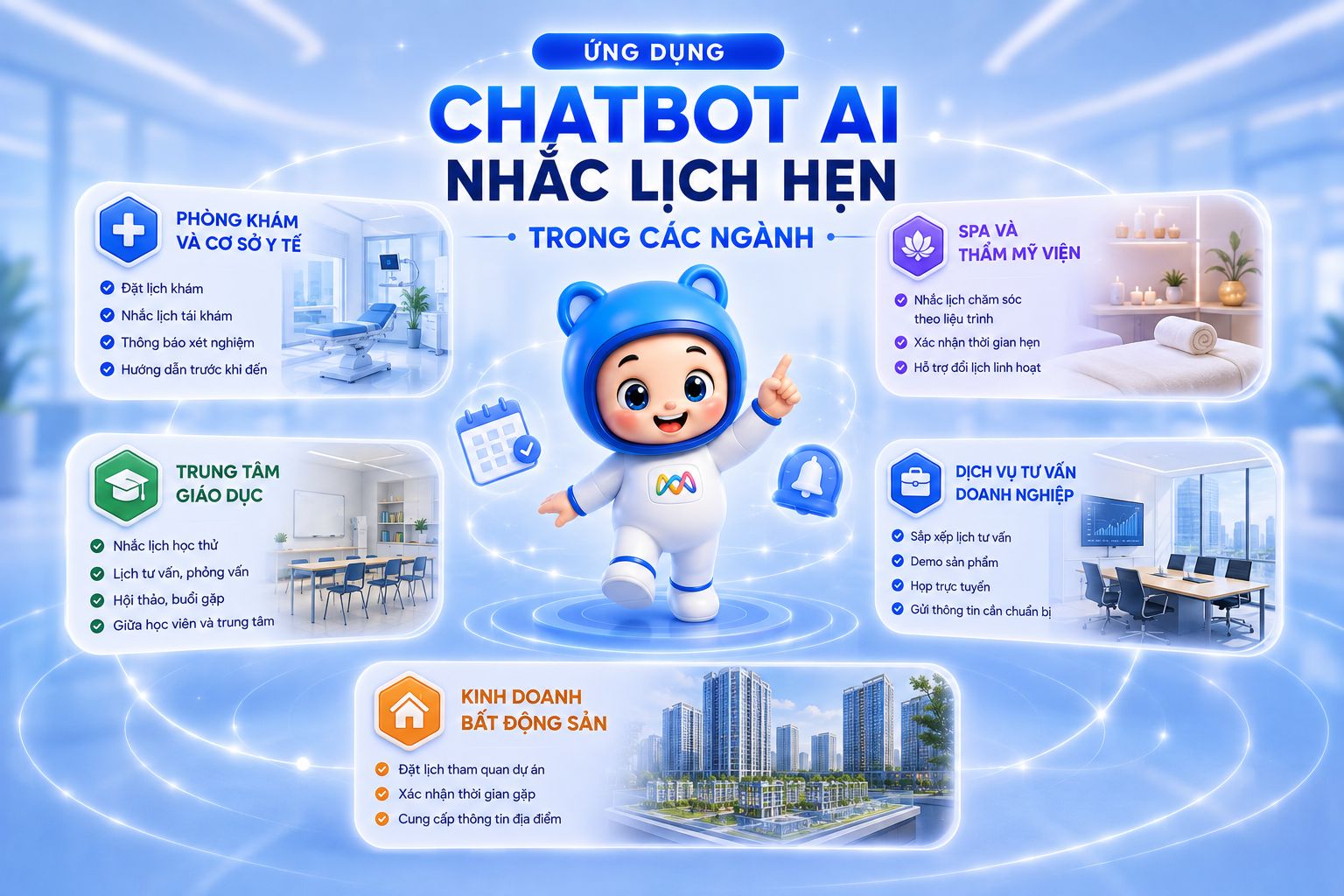
    Chatbot AI nhắc lịch hẹn ứng dụng trong nhiều lĩnh vực

    Clinics and Healthcare Facilities

    Chatbots can assist with appointment booking, follow-up reminders, testing schedules, and provide customers with necessary instructions before their visit.

    Spas and Beauty Clinics

    AI can remind customers about treatment sessions, confirm appointment times, and help customers select a new time when their schedules change.

    Education Centers

    Chatbots can send reminders for trial classes, consultations, entrance interviews, workshops, or meetings between students and education centers.

    Business Consulting Services

    Businesses can use chatbots to schedule consultations, product demonstrations, online meetings, and send customers the information they need to prepare before a meeting.

    Real Estate

    Chatbots can assist with property viewing appointments, confirm meeting times with sales consultants, and provide customers with accurate location information.

    Benefits of Automating Appointment Reminders

    Implementing an AI chatbot allows businesses to move from manual appointment reminders to a more proactive and automated process. Key benefits include:

    • Reducing missed appointments, minimizing unoccupied service slots.
    • Saving employees’ time, especially for businesses handling a large number of appointments.
    • Improving customer experience through fast responses and continuous support.
    • Centralizing appointment management, reducing errors and scheduling conflicts.
    • Improving operational efficiency, allowing employees to focus on higher-value tasks.

    How to Effectively Implement an AI Chatbot for Appointment Reminders?

    For a chatbot to operate accurately, businesses need to prepare reliable data and clear conversation scenarios. Information about services, pricing, business hours, booking procedures, and appointment change policies should be complete and regularly updated.

    Businesses should also deploy chatbots on channels frequently used by customers, such as websites, Zalo, Messenger, or other messaging platforms.

    Finally, businesses should regularly monitor confirmation, rescheduling, and no-show rates to optimize reminder timing and message content. Integrating the chatbot with a CRM can further improve data management and help businesses build a seamless customer care process.

    You can Try Chat Vareno AI for Free to experience natural AI interactions and build an automated appointment reminder workflow for your business.

    Conclusion

    Implementing an AI chatbot for automated appointment reminders is a practical solution that helps businesses reduce no-shows, optimize costs, and improve service quality. By automating appointment management and customer communication, businesses can provide more proactive, professional, and convenient support while allowing employees to focus on tasks that create greater value.
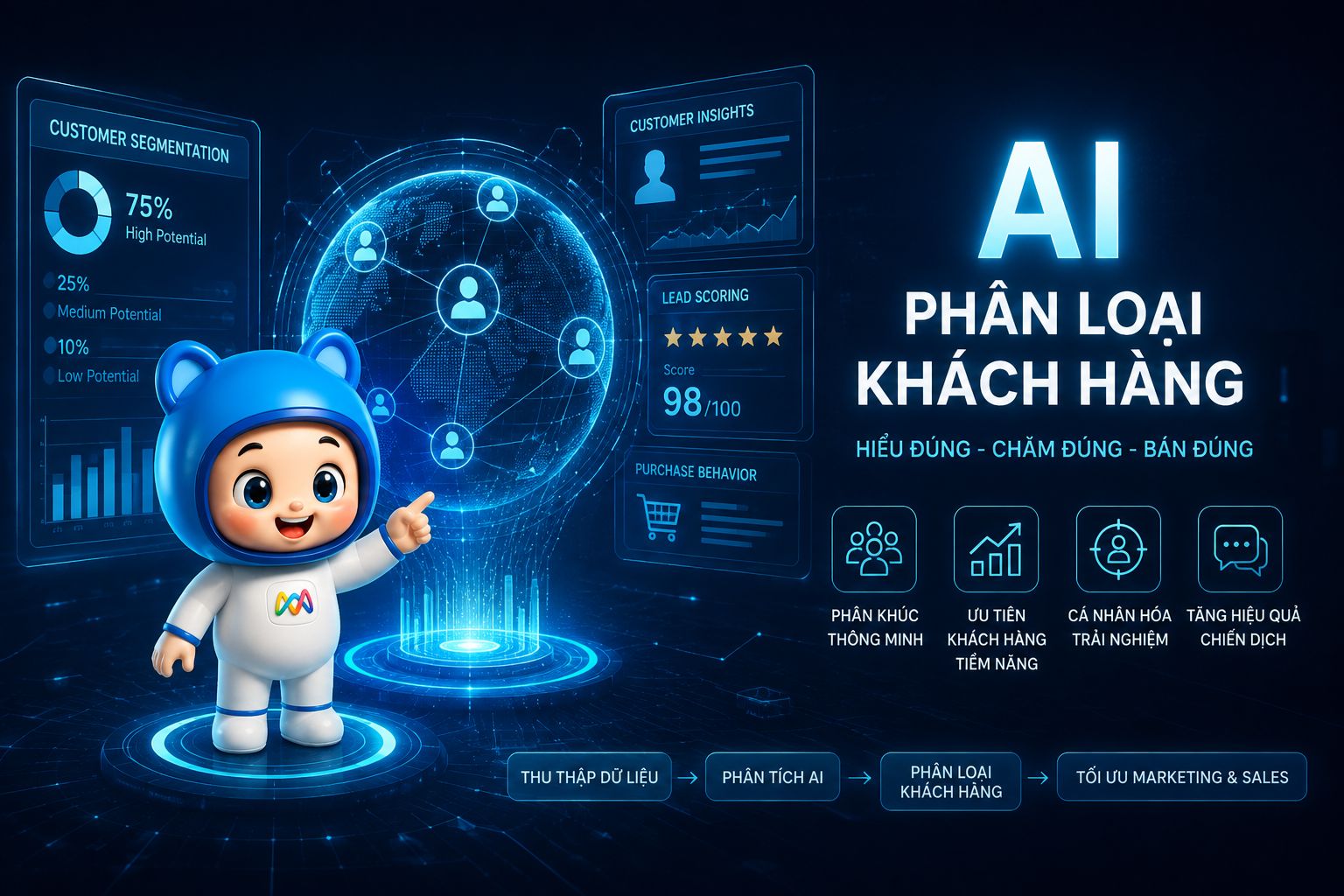
  • AI Customer Segmentation: An Effective Solution for Sales and Customer Service Optimization

    AI Customer Segmentation: An Effective Solution for Sales and Customer Service Optimization

    As businesses collect increasingly large amounts of data from websites, social media, CRM systems, and sales channels, understanding different customer groups has become essential for improving business performance. However, relying solely on manual segmentation can be time-consuming and may make it difficult to ensure accuracy.

    AI customer segmentation is emerging as a solution that enables businesses to automatically analyze data, identify customer characteristics, and segment customers based on their behavior, needs, and potential value. As a result, businesses can personalize marketing and customer service activities while increasing conversion opportunities.
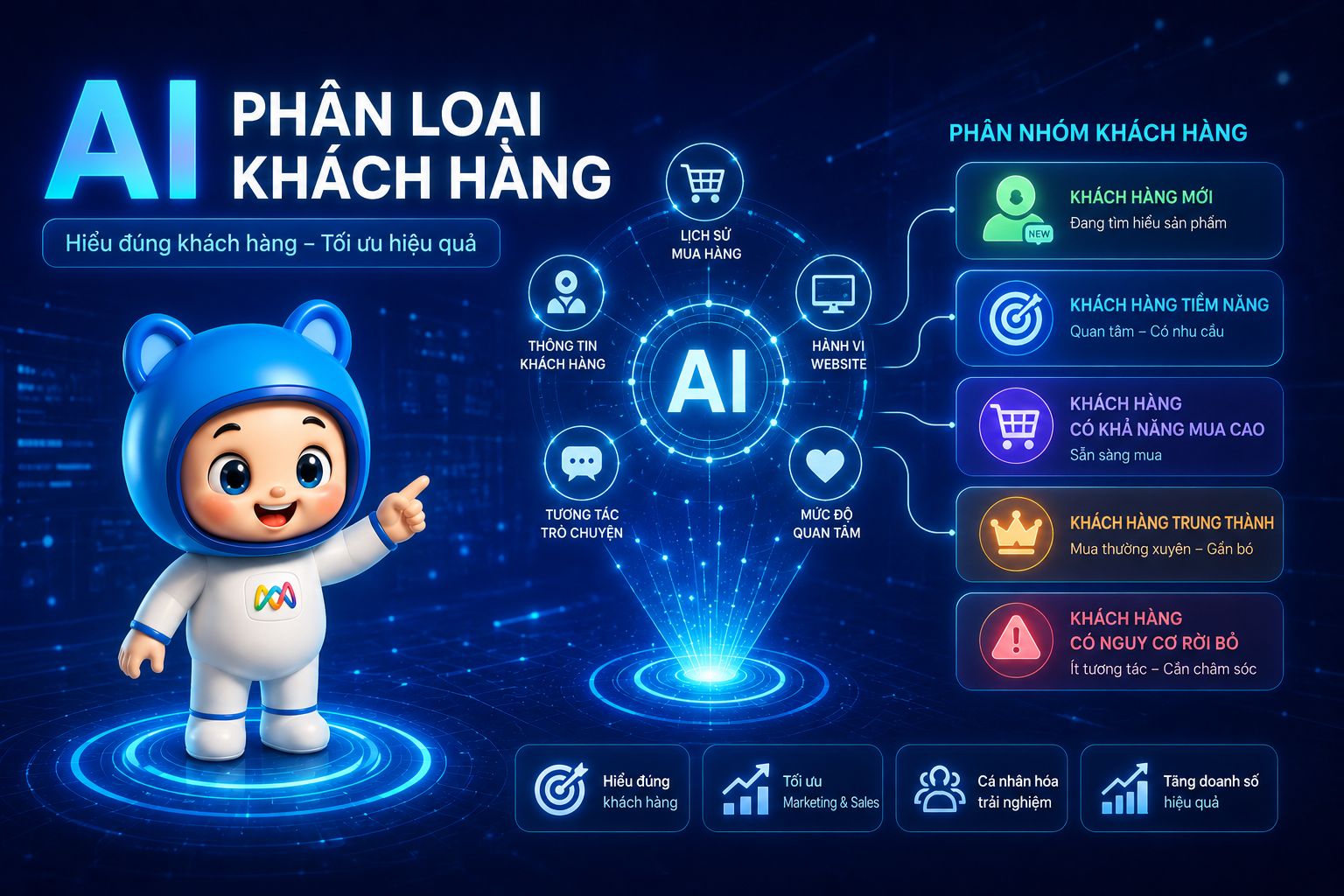
    What Is AI Customer Segmentation?

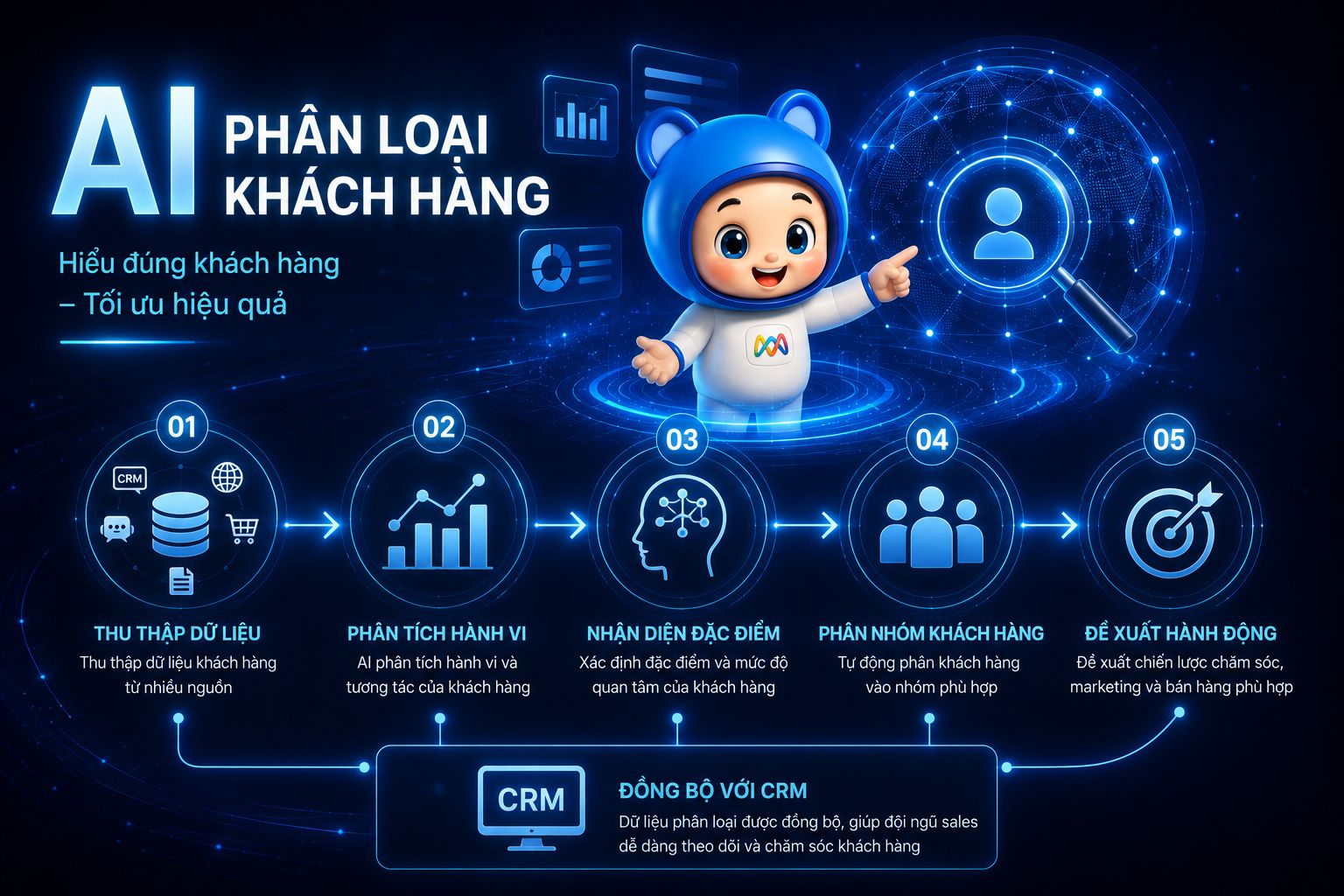
    AI phân loại khách hàng dựa trên dữ liệu và hành vi

    AI customer segmentation refers to the use of artificial intelligence to collect, analyze, and categorize customers based on available data.

    Instead of relying only on basic information such as age, gender, or location, AI can analyze various factors, including purchase history, interaction frequency, conversation content, customer needs, website behavior, and product interest.

    For example, AI can identify customers based on different stages and characteristics throughout their customer journey, allowing businesses to develop more relevant approaches and engagement strategies.

    Why Do Businesses Need AI Customer Segmentation?

    Not all customers have the same needs or behaviors. If a business uses the same content and approach for every customer, its messaging may not be relevant to each target group.

    AI customer segmentation helps businesses understand where customers are in their purchasing journey. As a result, marketing and sales teams can develop more appropriate approaches for each group.

    For example, new customers may need more product information and guidance, while customers with previous purchases may respond better to personalized offers or loyalty programs.

    How Does AI Customer Segmentation Work?

    Tiêu chí AI phân loại khách hàng

    The process typically begins by collecting customer data from multiple sources, such as CRM systems, websites, chatbots, social media, and sales platforms.

    AI then analyzes data related to customer behavior and interactions. Based on predefined criteria, the system automatically identifies customer characteristics and assigns them to relevant groups.

    The basic process includes:

    Data Collection → Behavior Analysis → Characteristic Identification → Customer Segmentation → Action Recommendation

    When integrated with a CRM system, segmentation data can also be synchronized so that sales teams can easily track and provide personalized customer support.

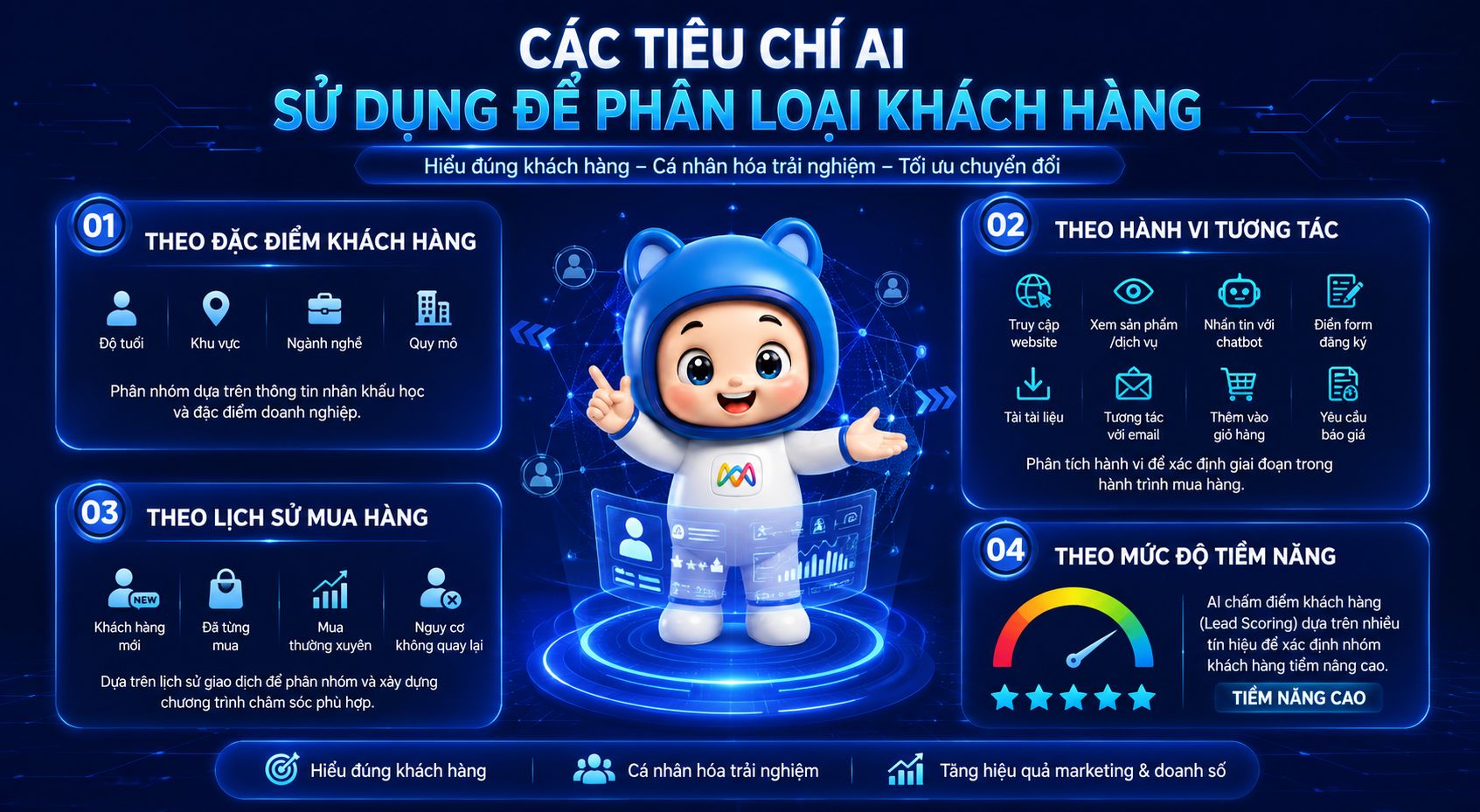
    Key Criteria AI Uses to Segment Customers

    Depending on the industry and business objectives, AI can segment customers based on various criteria.

    AI phân loại khách hàng kết hợp Chatbot AI

    Based on Customer Characteristics

    AI can segment customers based on information such as age, location, industry, business size, or whether they are individual or business customers.

    This provides a foundation for businesses to develop marketing campaigns tailored to different customer groups.

    Based on Interaction Behavior

    Customer behavior is one of the most important data sources for evaluating customer interest.

    AI can analyze activities such as:

    • Visiting a website.
    • Viewing products or services.
    • Chatting with a chatbot.
    • Submitting registration forms.
    • Downloading documents.
    • Interacting with emails.
    • Adding products to the shopping cart.
    • Requesting a quote.

    These behaviors can help determine where customers are in their purchasing journey.

    Based on Purchase History

    Based on transaction history, AI can segment customers according to their purchasing patterns, such as first-time buyers, existing customers, frequent buyers, or customers who may not return.

    Businesses can then develop more relevant sales and customer retention strategies.

    Based on Customer Potential

    AI can also support Lead Scoring based on multiple behavioral signals.

    For example, customers who frequently visit a website, view pricing information, request consultations, and submit their contact details may be identified as high-interest leads.

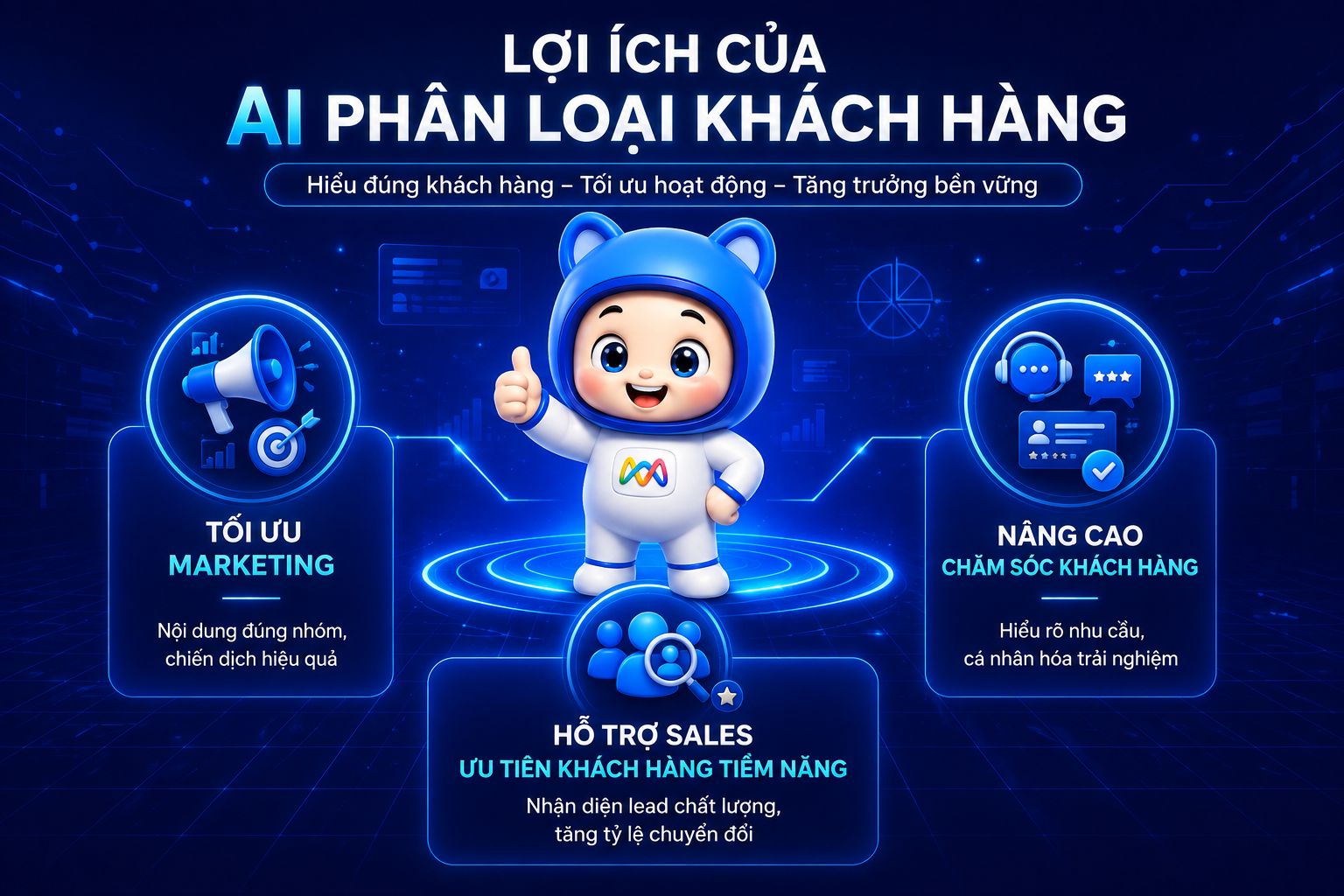
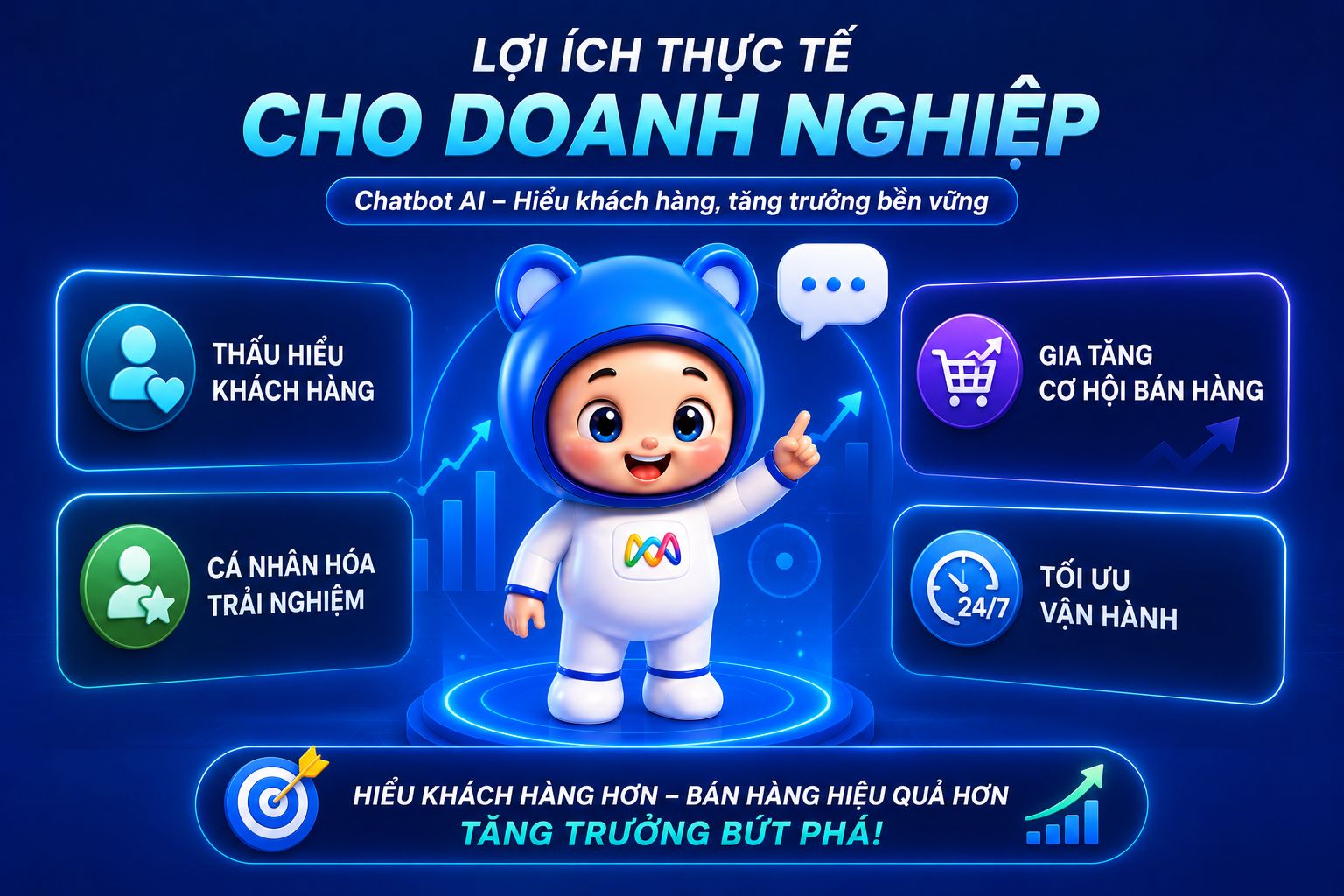
    Benefits of AI Customer Segmentation

    AI phân loại khách hàng tối ưu Marketing và Sales

    Optimize Marketing Activities

    By understanding different customer groups, businesses can create more relevant content and marketing campaigns.

    Instead of launching one campaign for everyone, businesses can create different audience segments with tailored messages. This can improve content relevance while reducing unnecessary marketing costs.

    Help Sales Teams Prioritize High-Interest Leads

    Not every lead has the same conversion potential. AI can help sales teams identify customers with higher levels of interest so they can prioritize follow-ups.

    This is particularly useful for businesses handling a large number of leads with limited sales resources.

    Improve Customer Service

    When customer data is properly segmented, employees can quickly understand each customer’s interaction history and needs.

    Combined with CRM AI or AI Chatbots, businesses can automate parts of the customer service process while maintaining a personalized experience.

    Applications of AI Customer Segmentation in Business

    AI customer segmentation can be applied across various industries, including retail, e-commerce, finance, real estate, education, logistics, and services.

    A common application is combining an AI Agent with CRM. When customers interact with a business through its website or online channels, AI can collect information, identify customer needs, and determine the appropriate customer segment.

    For example, a customer who repeatedly asks about pricing, payment policies, and implementation timelines may be identified by AI as a highly interested lead. This information can then be transferred to the CRM system so that the sales team can continue the consultation process.

    How to Implement AI Customer Segmentation Effectively

    To implement AI customer segmentation effectively, businesses should first define clear segmentation objectives. Do they want to identify high-potential leads, increase repeat purchases, or improve customer service?

    Next, businesses should standardize data from CRM systems, websites, chatbots, and other interaction channels. The more complete and accurate the data, the more effective AI segmentation can be.

    Finally, businesses should integrate AI with CRM systems and customer service workflows. When AI not only segments customers but also recommends the next best action, businesses can unlock greater value from their customer data.

    Conclusion

    AI customer segmentation helps businesses better understand customers, identify high-potential leads, and personalize their approach, thereby optimizing Marketing, Sales, and customer service.

    When combined with AI Chatbots, businesses can automate the entire process from data collection and segmentation to customer engagement. With Chat Vareno AI, businesses can turn customer data into growth opportunities and improve overall business performance.

  • AI Logistics Chatbot: The Optimal Solution for Operations and Customer Service

    AI Logistics Chatbot: The Optimal Solution for Operations and Customer Service

    The logistics industry is growing rapidly alongside the increasing demand for fast, accurate, and transparent delivery services. However, logistics businesses also have to handle a large volume of daily inquiries, such as order tracking, shipping quotes, delivery times, warehouse information, and support when issues arise. This is where AI Logistics Chatbot becomes a solution that helps businesses automate communication and improve operational efficiency.

    What Is an AI Chatbot for Logistics?

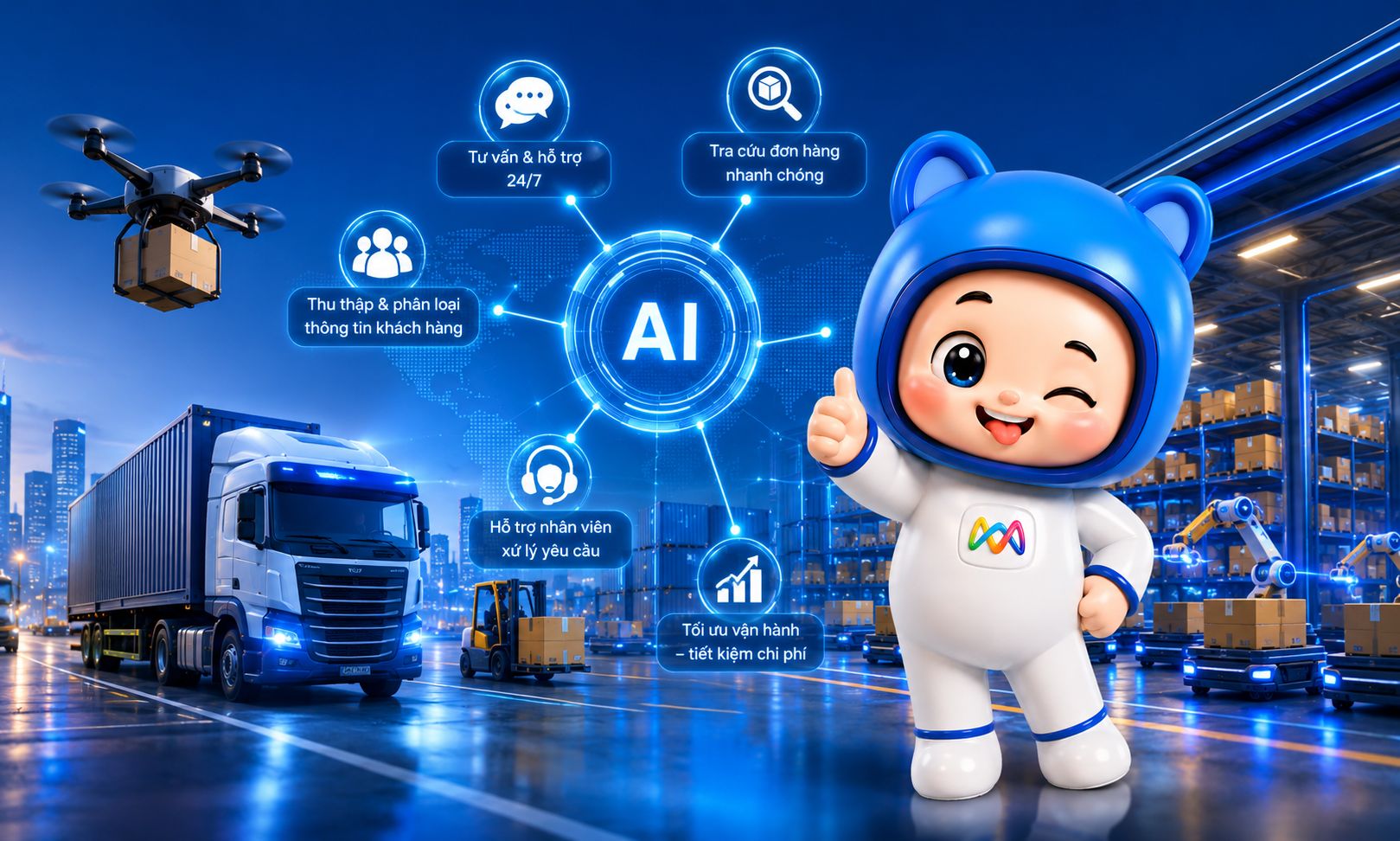
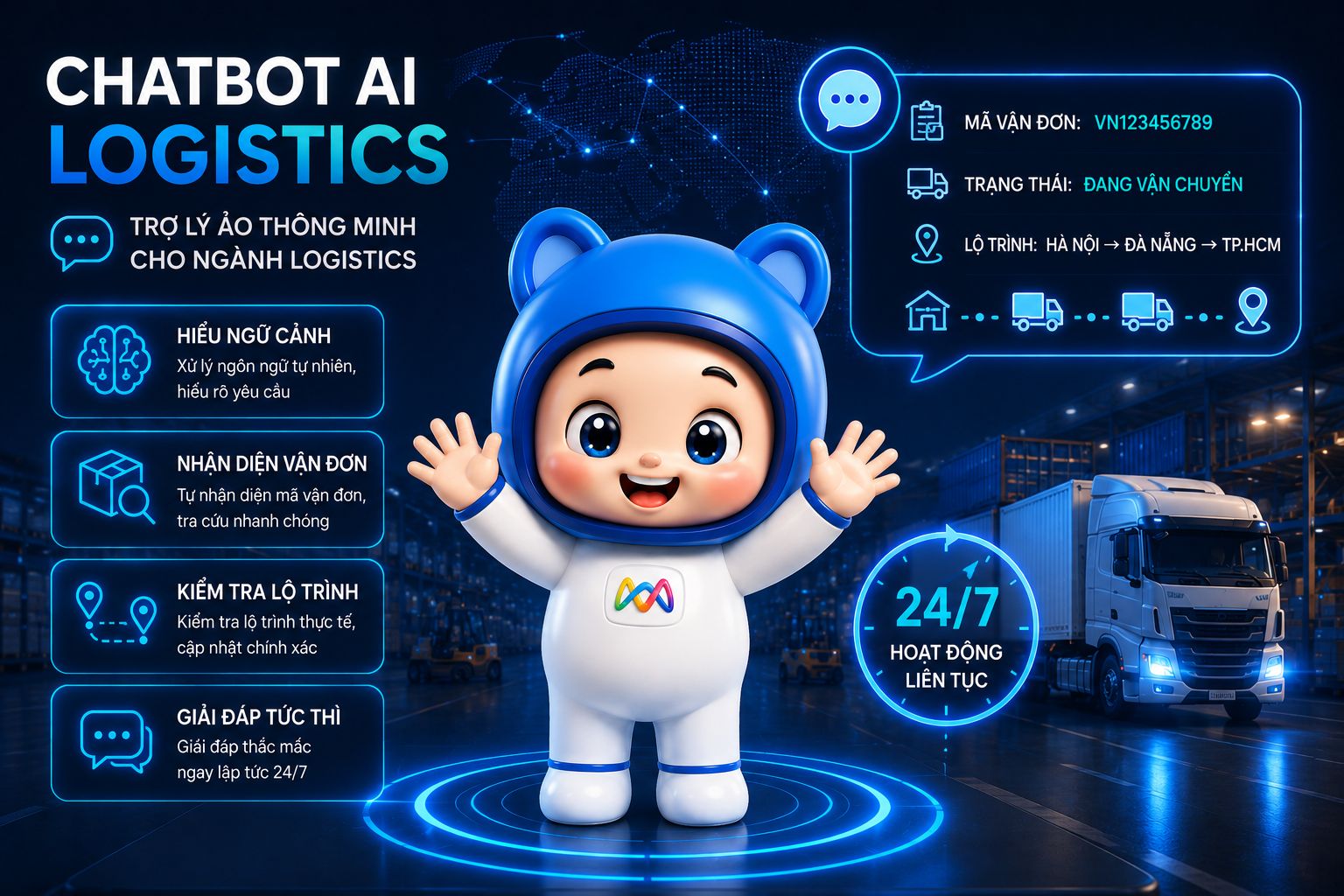
    Chatbot AI logistics là trợ lý ảo hỗ trợ doanh nghiệp vận tải tra cứu đơn hàng và phản hồi khách hàng 24/7.

    An AI chatbot for logistics is a virtual assistant powered by natural language processing and trained specifically on transportation and warehousing data. Unlike rigid rule-based chatbots that rely on button-click scripts, an AI assistant can understand context, recognize tracking numbers, check real-time shipment status, and answer customer questions instantly.

    Why Do Transportation Businesses Need an AI Chatbot?

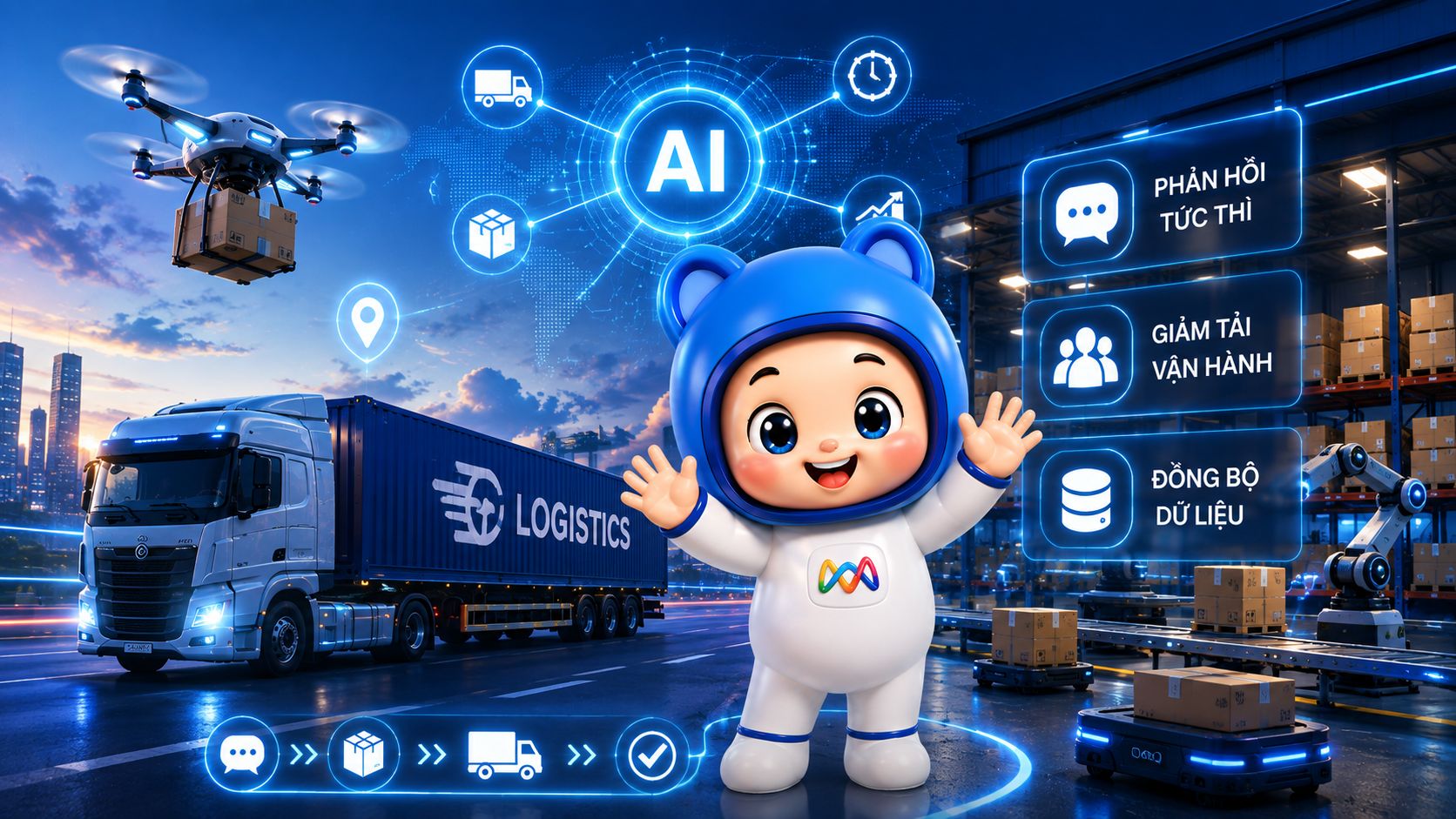
    Chatbot AI logistics hỗ trợ doanh nghiệp vận tải phản hồi khách hàng 24/7

    The logistics industry requires a high level of accuracy and fast response times. The pressure of handling order-tracking requests places a significant burden on customer support teams every day. A virtual assistant helps streamline communication channels, reduce manual workload, and minimize errors caused by manual data entry.

    • Instant responses: Customers who send a tracking number late at night or on holidays can receive an answer within seconds.
    • Reduced operational workload: The system automatically handles repetitive questions about shipping rates, compensation policies, and estimated delivery times.
    • Data synchronization: The assistant can connect directly with warehouse management and transportation management software to retrieve accurate information.

    Key Features of an AI Chatbot for Logistics

    Today, a transportation virtual assistant can act as an intelligent logistics coordinator.

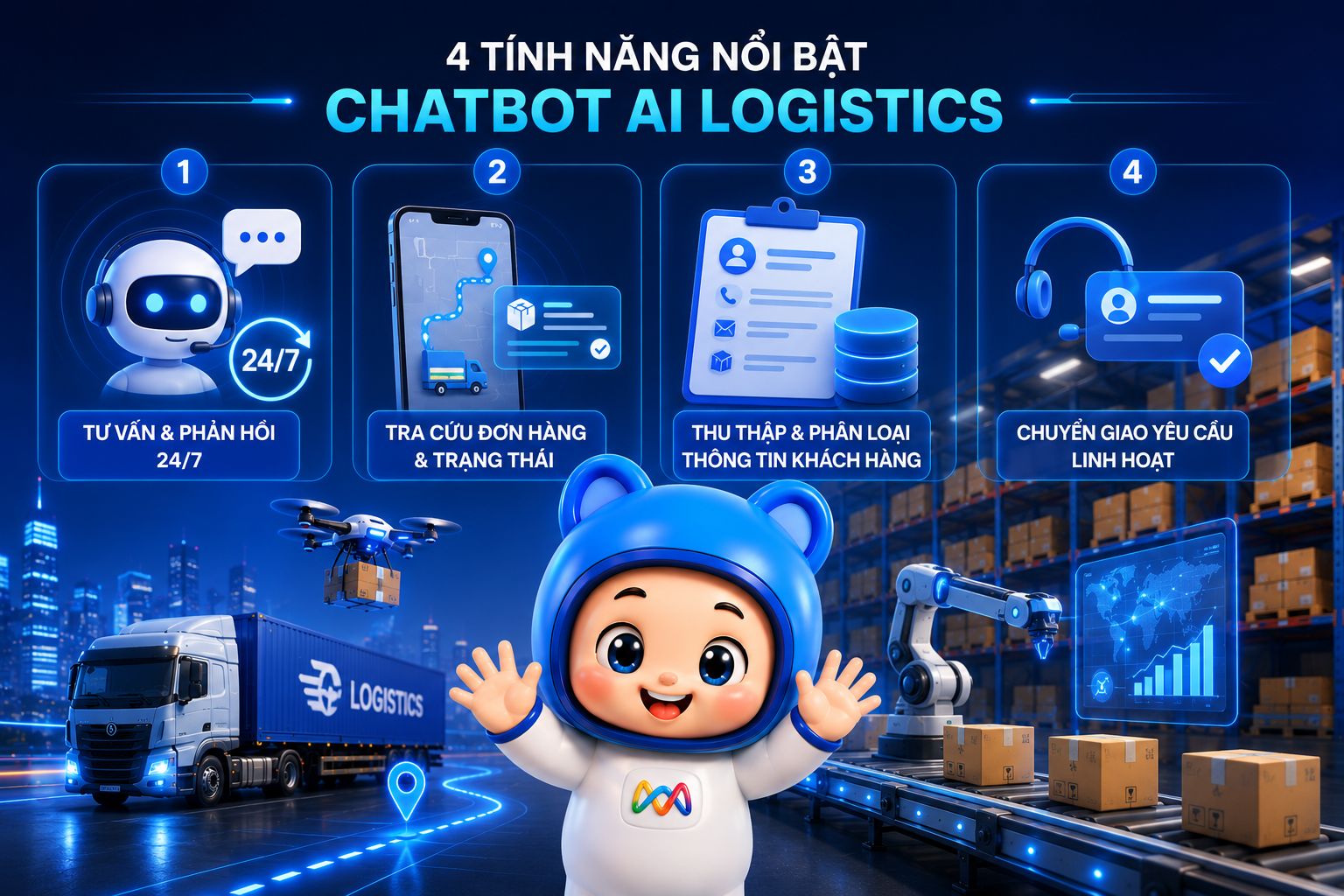
    Automated 24/7 Consultation and Responses

    The system provides detailed answers about packaging requirements, prohibited items, and interprovincial shipping procedures. Customers can receive consistent responses across familiar channels such as websites, Zalo, and Messenger.

    Order Tracking and Shipment Status Updates

    One of the most common needs of logistics customers is checking their order status.

    When connected to an order management system or relevant data sources, an AI chatbot can quickly help customers find information such as where their shipment is, its current delivery status, and related updates.

    Collecting and Categorizing Customer Information

    A chatbot does more than answer questions. It can also collect essential information such as names, phone numbers, email addresses, shipping requirements, cargo types, and delivery routes.

    This data can be categorized and transferred to a CRM system for the sales team to continue customer follow-up, creating a more seamless logistics automation process.

    Flexible Handover to Human Agents

    When customers have compensation claims or issues such as lost shipments, the system can trigger a handover to the appropriate staff member. Administrators receive a notification along with the complete conversation history. This allows employees to understand the situation quickly without asking customers to repeat their entire case.

    Practical Benefits for Logistics Businesses

    Implementing AI in logistics can deliver numerous benefits, from customer service to operational optimization.

    • Reduce customer service workload: Automatically handle repetitive questions.
    • Faster responses: Customers can receive information almost instantly.
    • 24/7 operation: Provide continuous customer support.
    • Improved data collection: Capture customer needs and behavior.
    • Enhanced customer experience: Deliver consistent information across multiple channels.
    • Optimized operating costs: Reduce manual workloads for employees.
    • Support revenue growth: Better identify and engage customers with logistics needs.

    Trends in AI Adoption in the Transportation Industry

    The market is shifting from simple question-and-answer systems toward multifunctional AI assistants. New trends focus on connecting AI with automated workflows to generate invoices, create vehicle dispatch orders, and provide early warnings about port and warehouse congestion, helping operations teams stay proactive.

    Effective AI Chatbot Deployment Process for Logistics

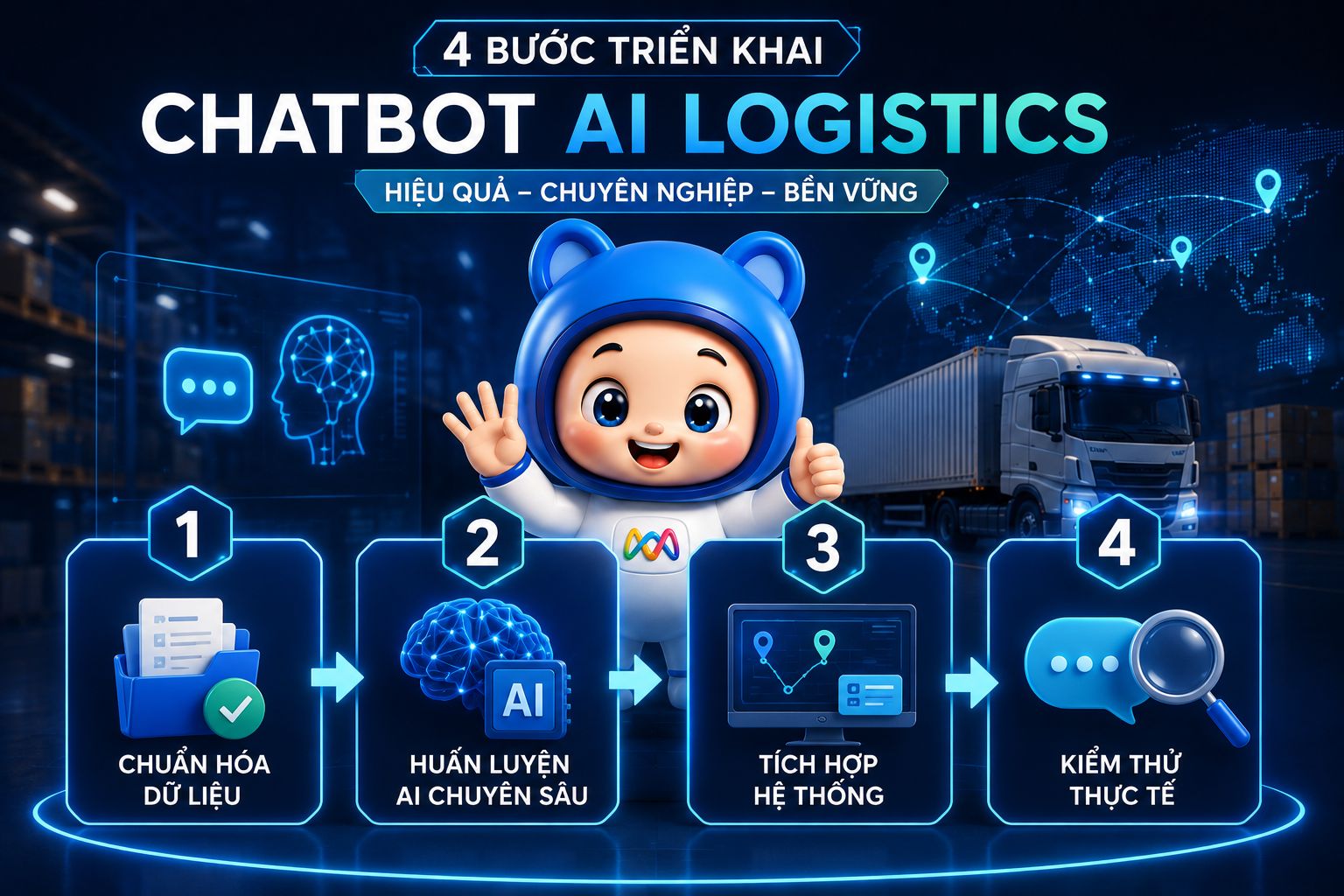
    To ensure that the virtual assistant operates smoothly, businesses should follow four key steps:

    Quy trình triển khai chatbot AI logistics với 4 bước chính: chuẩn hóa dữ liệu, huấn luyện AI, tích hợp hệ thống và kiểm thử thực tế.

    1. Standardize knowledge data: Consolidate shipping rates, transportation routes, compensation policies, and shipping guidelines into clear and structured documents.
    2. Train the AI: Upload relevant materials to the platform so the model can learn industry-specific terminology and minimize inaccurate responses.
    3. Integrate management systems: Connect the virtual assistant with the existing order management software to synchronize real-time shipment status.
    4. Test real-world scenarios: Test customer inquiries ranging from simple tracking requests to complex situations before officially launching the chatbot.

    Conclusion

    Investing in an AI chatbot for logistics is a strategic step that helps businesses optimize operations, improve customer service, and save resources. Understanding business needs and choosing the right AI solution can help companies deploy the technology effectively and gain a competitive advantage in the logistics industry.

    With Vareno AI, businesses can easily apply AI to customer service and operational processes, moving toward a more modern, automated, and professional logistics system. Contact Vareno AI today to receive a solution tailored to your business needs.

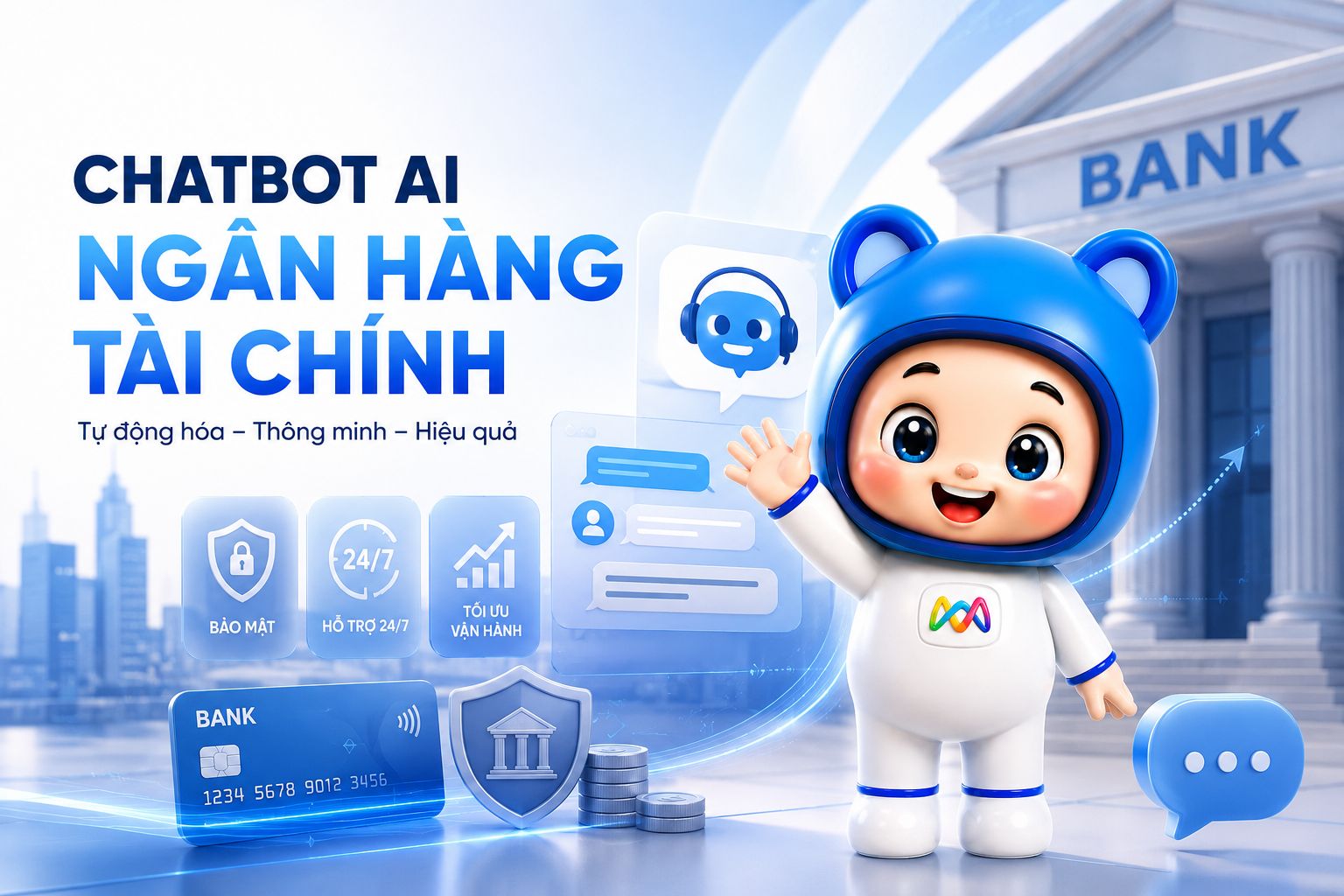
  • AI Chatbot for Banking and Finance: A Solution for Automated Customer Service

    AI Chatbot for Banking and Finance: A Solution for Automated Customer Service

    In the banking and finance industry, customers increasingly expect fast, accurate, and convenient support across multiple platforms. Instead of waiting for a consultant or calling a hotline, customers can ask questions and receive immediate responses through an AI chatbot for banking and finance.

    Beyond answering questions, AI chatbots can also identify customer needs, collect customer data, and connect with CRM systems. This is becoming an important solution for banks and financial businesses looking to improve service quality and optimize operations.

    What Is an AI Chatbot for Banking and Finance?

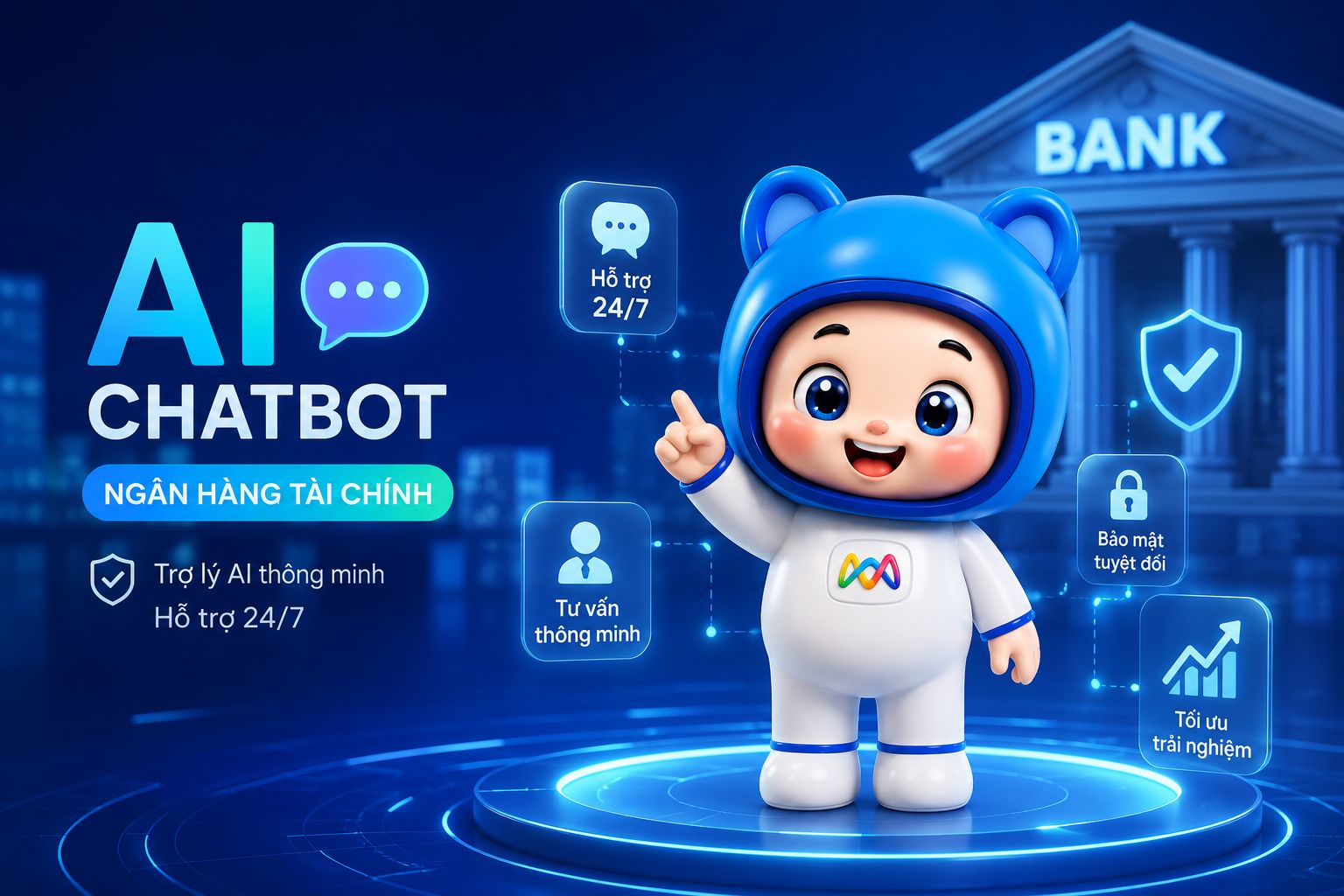
    An AI chatbot for banking and finance is a conversational assistant powered by artificial intelligence that automatically interacts with customers through websites, applications, or messaging platforms.

    Unlike traditional chatbots that only respond based on predefined questions and scripts, AI chatbots can understand the context and intent behind customer conversations. AI can be trained using a company’s own data, including product and service information, policies, frequently asked questions, and internal documents.

    As a result, the chatbot can function as an AI banking assistant that operates continuously and supports customers in a wide range of situations.

    Why Do Banks and Financial Businesses Need AI Virtual Assistants?

    The financial industry requires fast response times and a high level of accuracy, especially when dealing with financial figures and sensitive information. Applying automation technology can provide significant operational benefits.

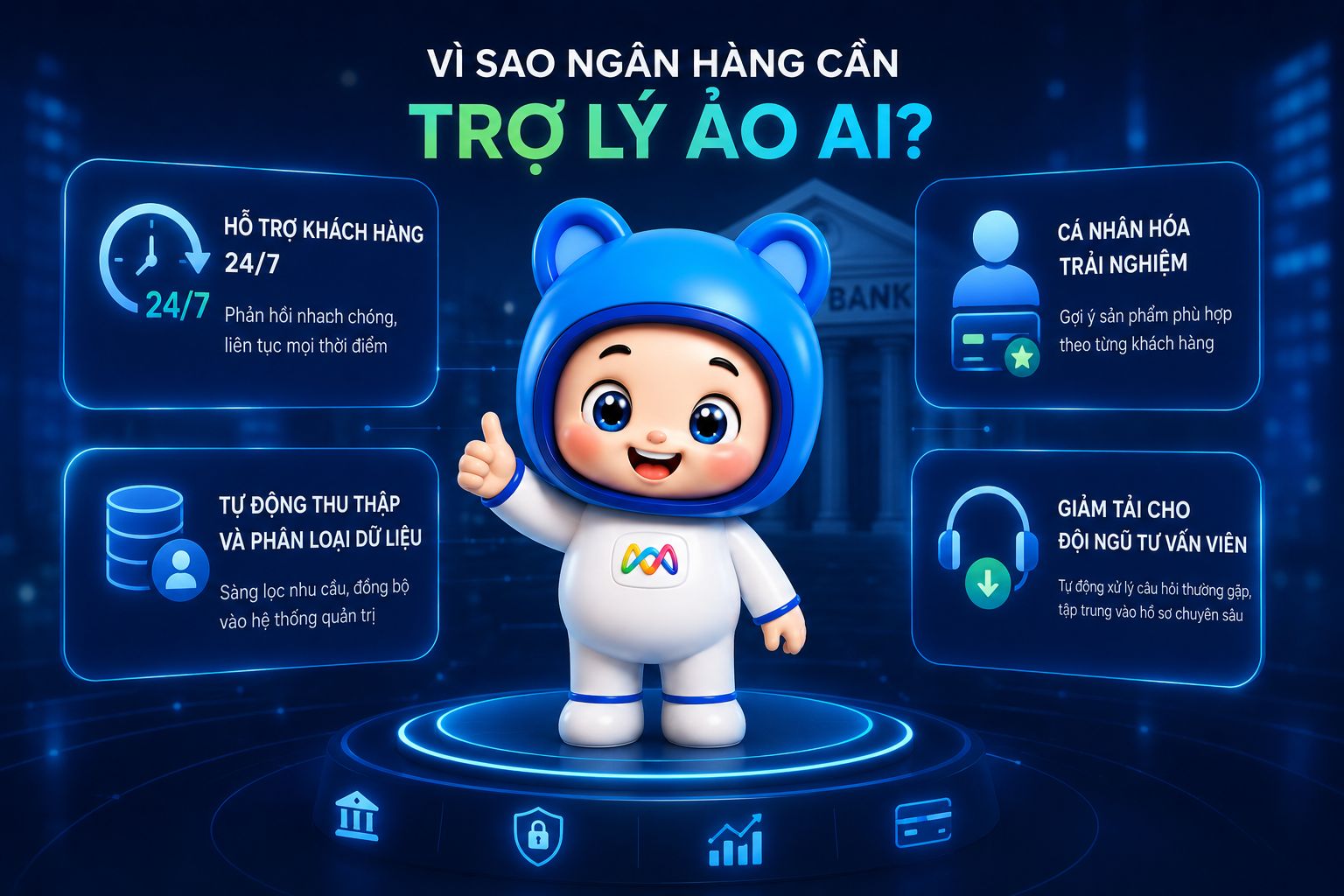
    Lợi ích của trợ lý ảo AI trong ngân hàng và tài chính

    24/7 Customer Support

    Customers may need to check their credit limits or report account issues outside regular business hours. An AI virtual assistant can remain available around the clock and respond within seconds without requiring staff to work overnight shifts.

    Personalized Customer Experiences

    Based on the context of a customer’s questions, the system can automatically recommend suitable consumer loans, credit cards, or insurance products based on their needs and profile. Flexible and relevant conversations can make customers feel as though they are interacting with a dedicated financial advisor.

    Automated Data Collection and Classification

    During conversations, the virtual assistant can identify and categorize customer needs, such as loan applications, account opening, or investment inquiries. This information can then be synchronized with internal management systems and transferred to the appropriate departments.

    Reduce the Workload for Customer Service Teams

    The system can automatically handle a large number of repetitive questions about card-opening procedures, current interest rates, fee schedules, or nearby branch locations. This allows call center agents and branch staff to focus more on complex applications and in-depth customer support.

    Practical Capabilities of an AI Financial Assistant

    An artificial intelligence system in the financial industry can handle several important stages of the customer journey:

    • Financial Information Lookup: Quickly provide foreign exchange rates, savings interest rates, and credit card eligibility requirements.
    • Process Guidance: Provide step-by-step instructions for electronic identity verification, changing card security codes, or activating emergency card-lock features.
    • Loan Calculations: Collect the requested loan amount, repayment term, and estimated interest rate to provide a clear estimate of monthly principal and interest payments.
    • Human Handover: Identify serious complaints or complex requests outside the assistant’s knowledge base and route the conversation to the appropriate customer service representative.

    The Process of Implementing an AI Assistant for the Financial Industry

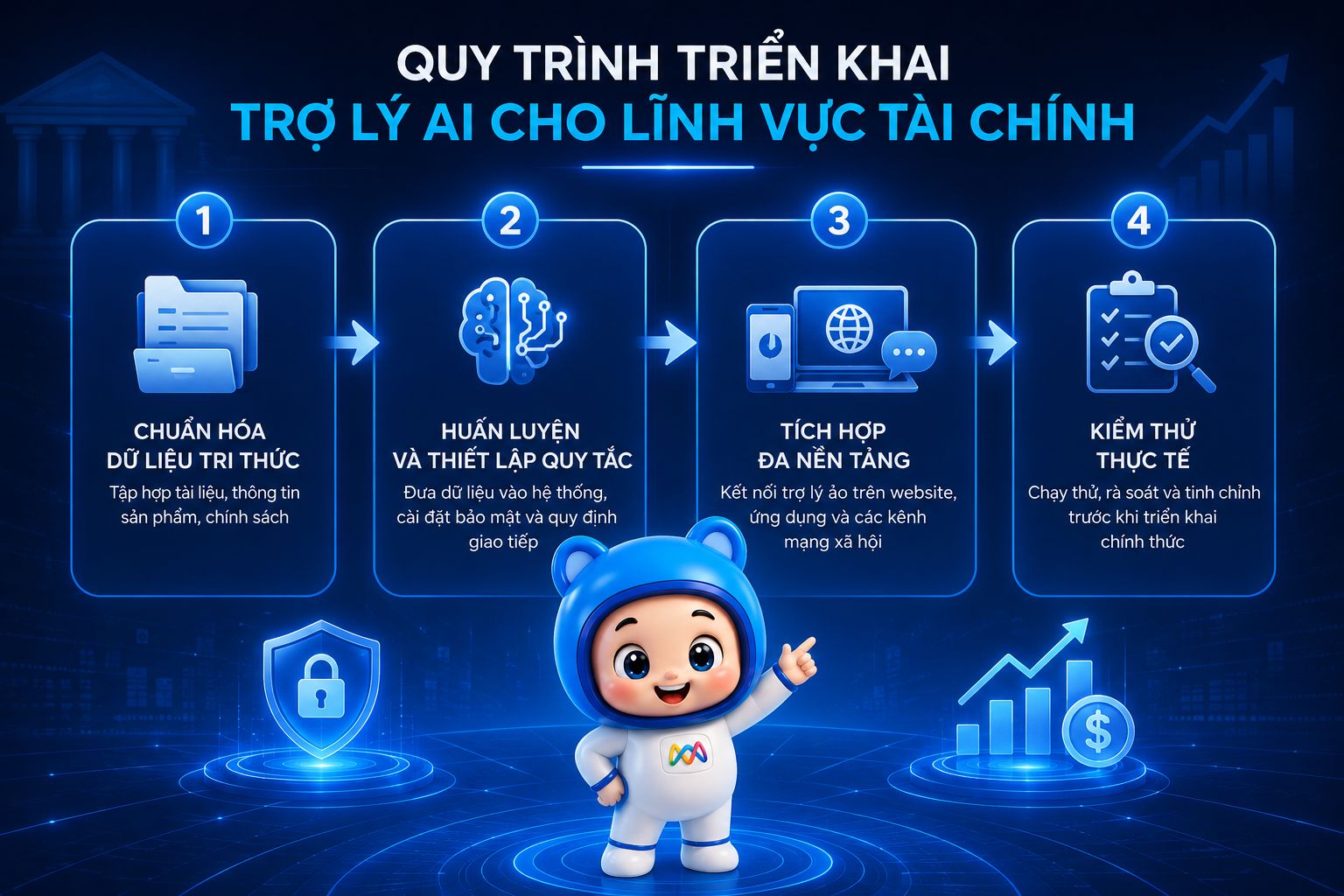
    To ensure the system operates safely and accurately, implementation can be carried out through four key stages:

    Quy trình 4 bước triển khai trợ lý AI cho lĩnh vực tài chính

    1. Knowledge Data Standardization: Collect fee schedules, sample contract terms, product information, and other relevant materials from internal documents or official website sources.
    2. AI Training and Rule Configuration: Upload the data into the system and establish security principles and communication guidelines that are appropriate for the financial industry.
    3. Multi-Platform Integration: Connect the virtual assistant to banking websites, mobile applications, and social media channels to provide a consistent customer interaction experience.
    4. Real-World Testing: Test complex conversation scenarios, review calculation accuracy, and fine-tune the system before making it available to all customers.

    Vareno AI – Smart AI Assistant Solution for Businesses

    Vareno AI provides a digital assistant solution powered by advanced language models. The platform is designed to be streamlined, helping financial organizations quickly build automated Q&A systems without the need to invest in complex server infrastructure.

    The system supports data ingestion from business documents, multi-channel interaction, and privacy protection. You can start setting up your AI virtual assistant today: Try It for Free.

    Conclusion

    Investing in an AI chatbot for banking and finance is a strategic decision that can help reduce operational pressure, shorten response times, and strengthen customer trust. By standardizing knowledge data and adopting AI assistants early, financial organizations can gain a clear competitive advantage in an increasingly digital market.

  • AI Chatbot for Restaurants: The Solution for Automating Customer Care and Table Reservations

    AI Chatbot for Restaurants: The Solution for Automating Customer Care and Table Reservations

    AI chatbot for restaurants is becoming an increasingly valuable solution in the F&B industry, where customer experience and service speed play a crucial role in a restaurant’s competitiveness. Restaurant staff cannot always respond to messages, recommend dishes, or handle table reservation requests immediately, especially during peak hours.

    More than simply answering predefined questions, an AI chatbot for restaurants can understand customer needs, recommend dishes, collect information, assist with table reservations and automate various customer service activities across online channels.

    What Is an AI Chatbot for Restaurants?

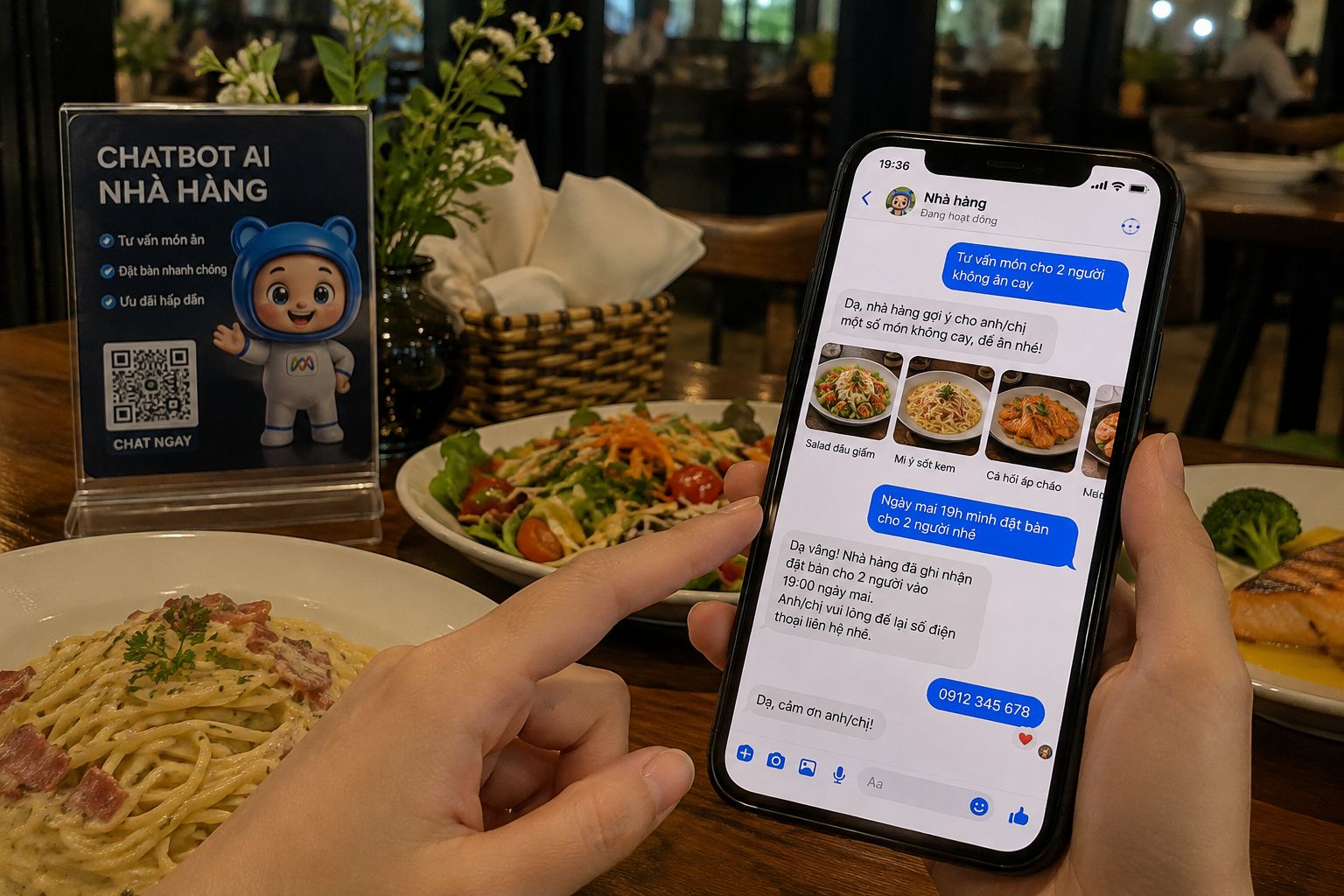
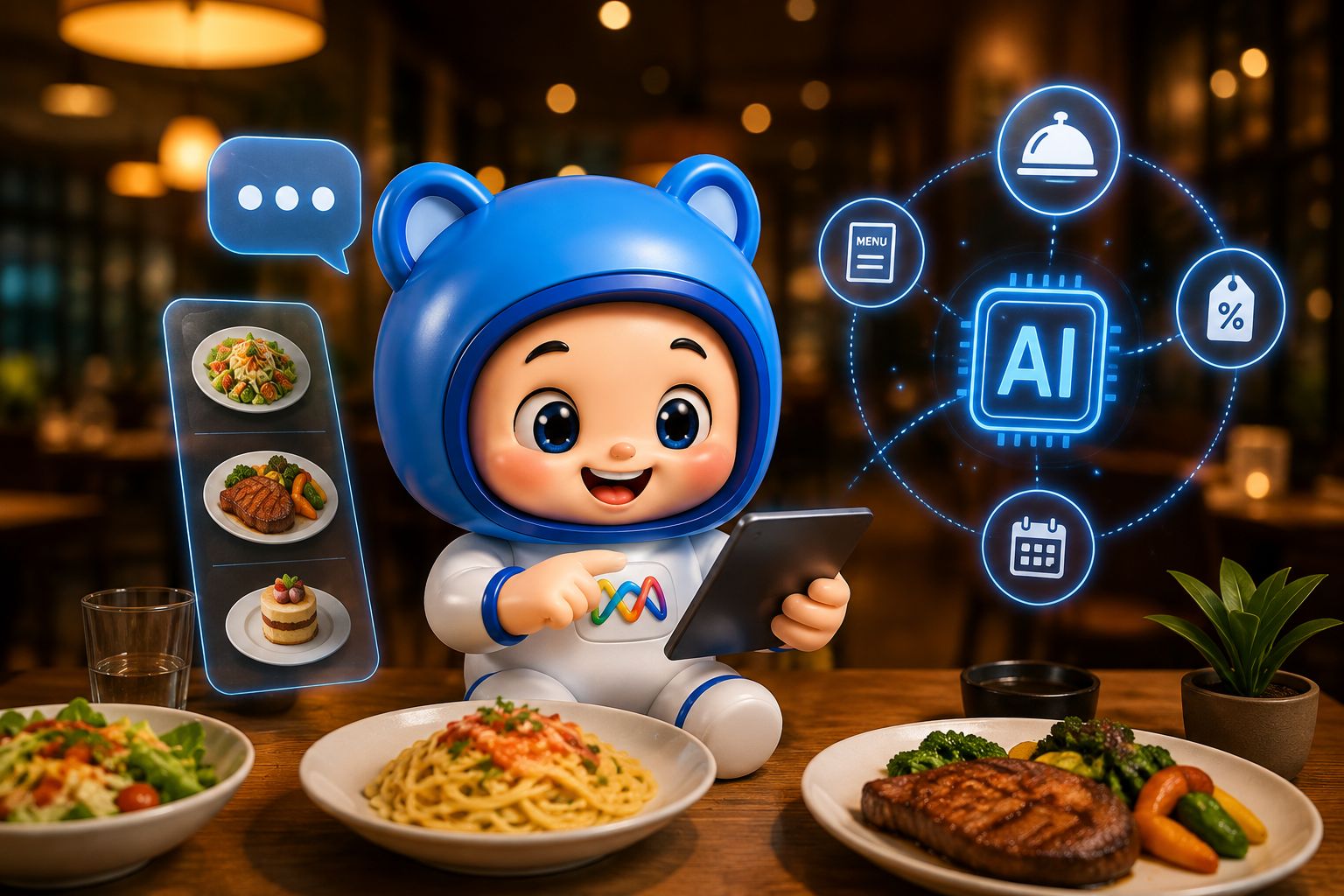
    Chatbot AI nhà hàng hỗ trợ tư vấn và chăm sóc khách hàng tự động

    This solution is completely different from traditional button-based scripted chatbots. The assistant uses a large language model to understand the context of questions, identify customer needs, and communicate naturally like a real person.

    The system can be trained with data from menus, dish prices, deposit policies, and promotional policies. As a result, the assistant can provide accurate information based on the restaurant’s own data without requiring staff intervention.

    Why Should Restaurants Use AI Chatbots?

    The food service business requires fast customer support and clear, accurate information. Here are some key reasons to integrate this technology into daily operations:

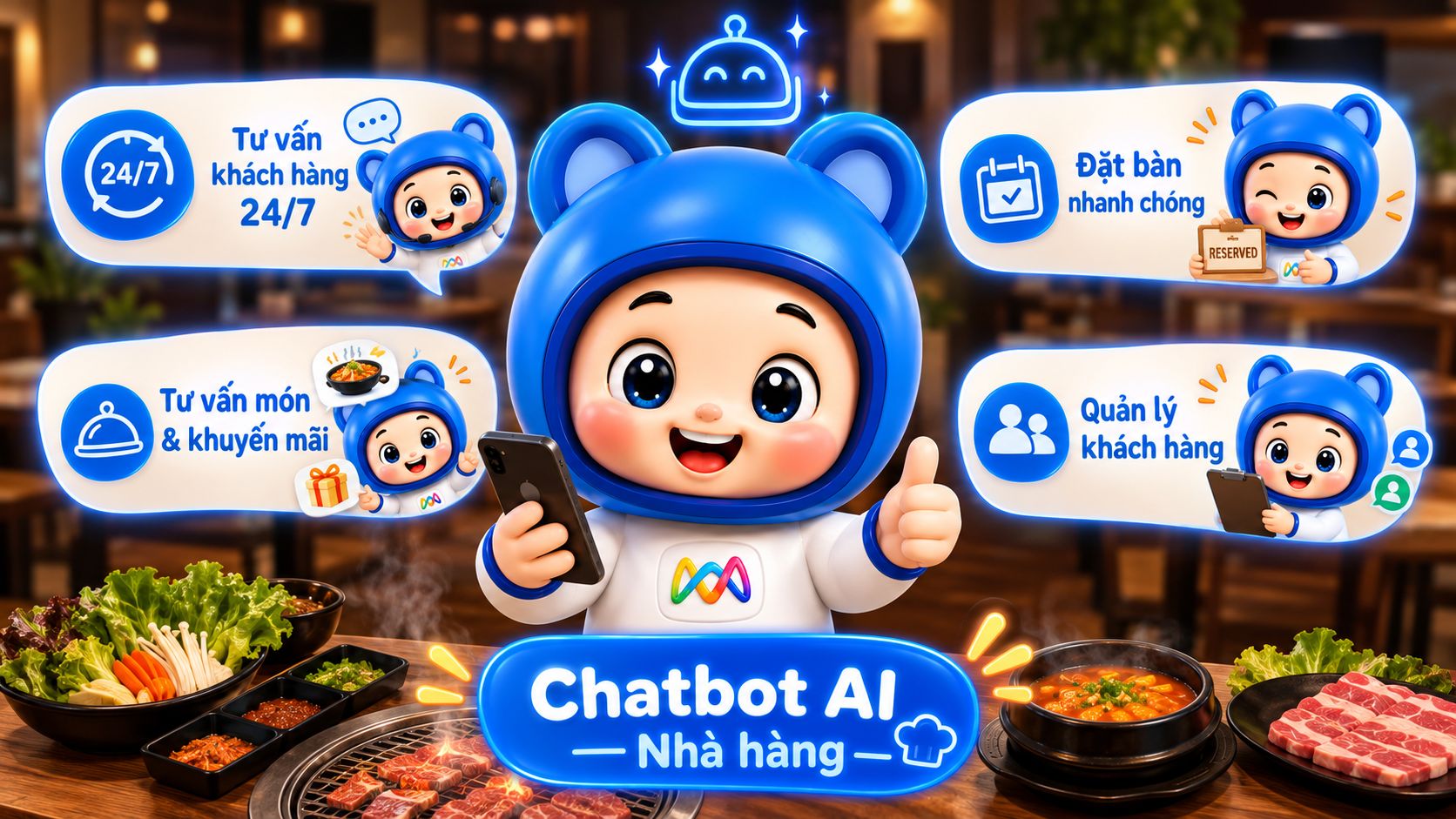
    Chatbot AI nhà hàng tư vấn món ăn, hỗ trợ 24/7, đặt bàn và quản lý thông tin khách hàng

    Automated Customer Consultation and 24/7 Responses

    Customers may look for restaurant information at any time, including outside business hours. With a restaurant chatbot, frequently asked questions can be handled automatically without requiring staff to respond directly.

    This helps reduce waiting times and provides customers with a more convenient experience.

    Faster Table Reservations

    One practical application of a restaurant reservation chatbot is accepting reservation requests directly within the conversation.

    The chatbot can ask for information such as the number of guests, preferred date and time, and contact details. This allows the restaurant to receive and process reservation requests faster while reducing the risk of missing potential customers.

    Dish Recommendations and Promotions

    Customers often hesitate when choosing dishes for a large group or looking for vegetarian options. The assistant can recommend dishes based on preferences, introduce cost-effective combos, and suggest additional side dishes to increase the value of each order.

    Collecting and Managing Customer Information

    During conversations, the chatbot can collect essential information such as names, phone numbers, customer needs, and interaction history.

    When connected to a CRM system, customer data can be stored and categorized, making it easier for sales and customer service teams to continue engaging with customers.

    What Can an AI Chatbot for Restaurants Do?

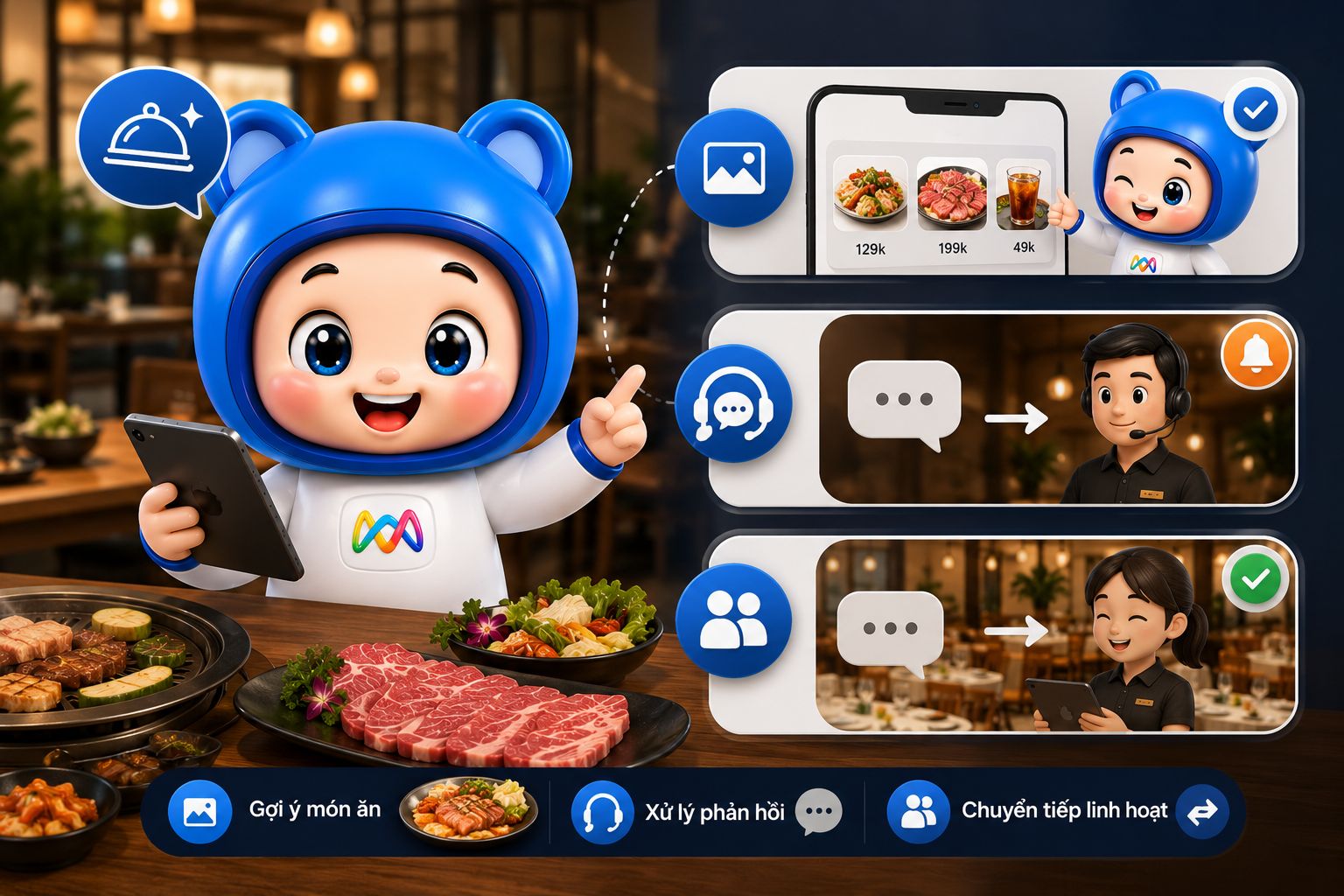
    The system can support customer interactions throughout the entire journey before, during, and after a meal:

    • Recommend dishes with images: Send photos of actual dishes, clearly categorize appetizers, main courses, and beverages, and provide detailed pricing.
    • Handle service feedback: Politely record concerns about service time or food quality and immediately forward the information to the shift manager.
    • Flexibly transfer conversations: Automatically transfer conversations to staff when customers need to organize large parties, corporate meals, or have specialized requests.

    Benefits of AI Chatbots for Restaurant Operations

    This solution delivers practical value for both restaurant management and revenue generation:

    • Reduce staffing costs: Reduce the pressure on employees who monitor the restaurant’s social media inbox. Staff at the restaurant can spend more time focusing on serving customers at their tables.
    • Improve customer retention: Response times of under two seconds help restaurants secure reservations when customers are most actively considering dining options.
    • Synchronize across multiple platforms: Operate seamlessly across websites, Zalo, and Messenger using a single source of data.

    How to Implement an AI Chatbot for Restaurants Effectively

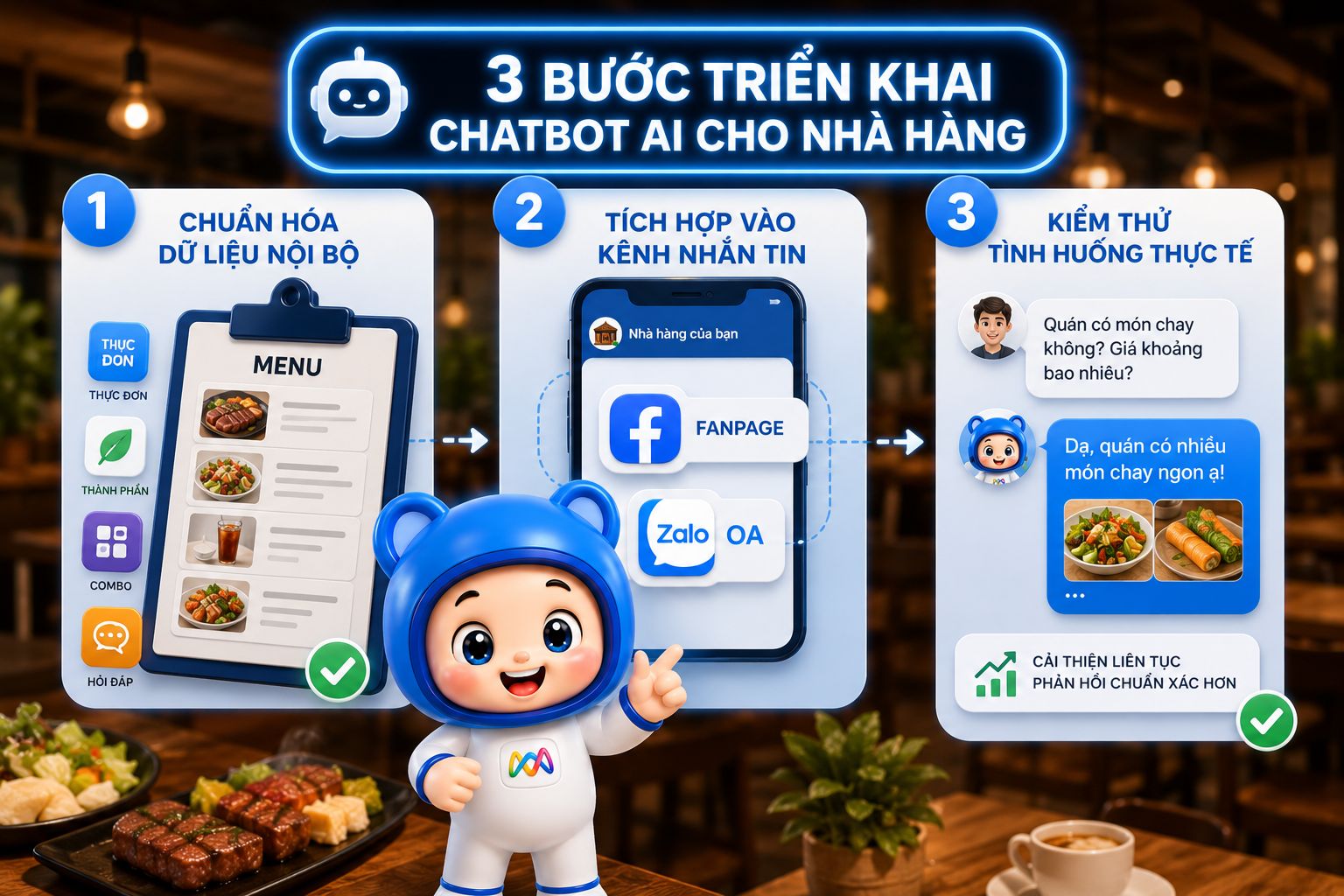
    To maximize the effectiveness of a virtual assistant, you should follow these three steps:

    Chatbot AI nhà hàng triển khai qua dữ liệu, kênh nhắn tin và kiểm thử thực tế

    1. Standardize internal data: Compile complete menus, ingredients, combo lists, and frequently asked questions into comprehensive documents.
    2. Integrate with key messaging channels: Connect the assistant to the channels where your restaurant receives the most interactions, such as Facebook Fanpage or Zalo OA.
    3. Test real-world scenarios: Have staff conduct test conversations using complex questions. Based on the results, continuously add and refine data so the assistant can provide increasingly accurate responses.

    Vareno AI – Chat AI Agent Solution for Restaurants

    Vareno AI provides an intelligent virtual assistant solution for the food service industry. The platform uses advanced large language models, allowing restaurant owners to easily upload menu information and promotional programs without requiring programming knowledge.

    The system features an optimized management interface, making it easier to manage reservations and customer data. You can start with a free trial to set up a virtual assistant for your brand today.

    Conclusion

    AI chatbots for restaurants help automate customer consultation, table reservations, and 24/7 customer support while optimizing operations and improving the dining experience. With Chat Vareno AI, restaurants can build an AI assistant based on their own data and easily deploy it across multiple channels.

    Start using an AI chatbot today to improve your restaurant’s business performance.

  • AI Chatbot for Retail Chains: The Optimal Solution to Streamline Operations & Drive Sales Growth

    AI Chatbot for Retail Chains: The Optimal Solution to Streamline Operations & Drive Sales Growth

    As retail chains continue to expand, managing customer interactions across multiple branches becomes increasingly complex. AI Chatbot for Retail Chains helps automate customer support, provide fast 24/7 responses, and deliver a consistent customer experience across the entire retail network.

    What Is an AI Chatbot for Retail Chains?

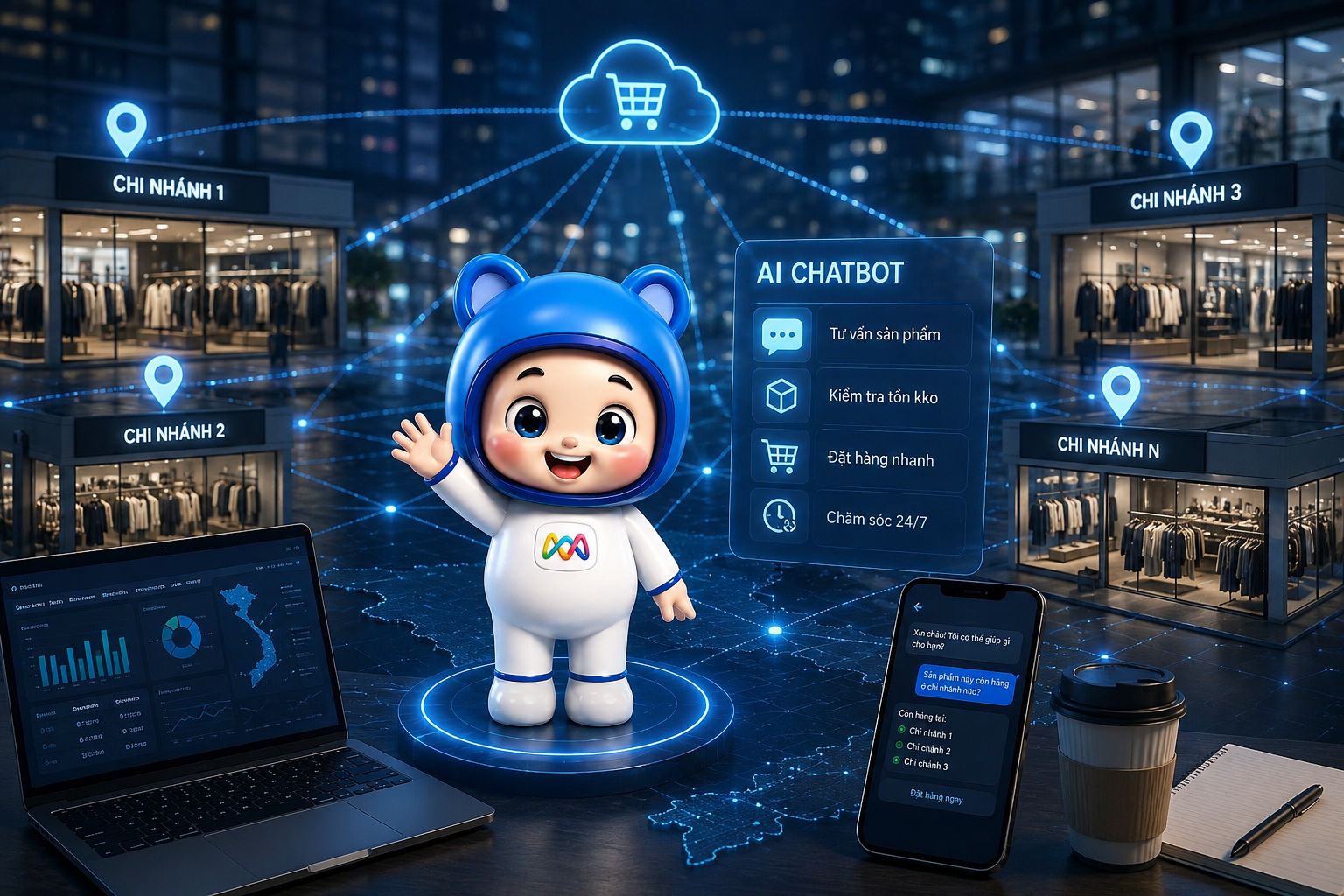
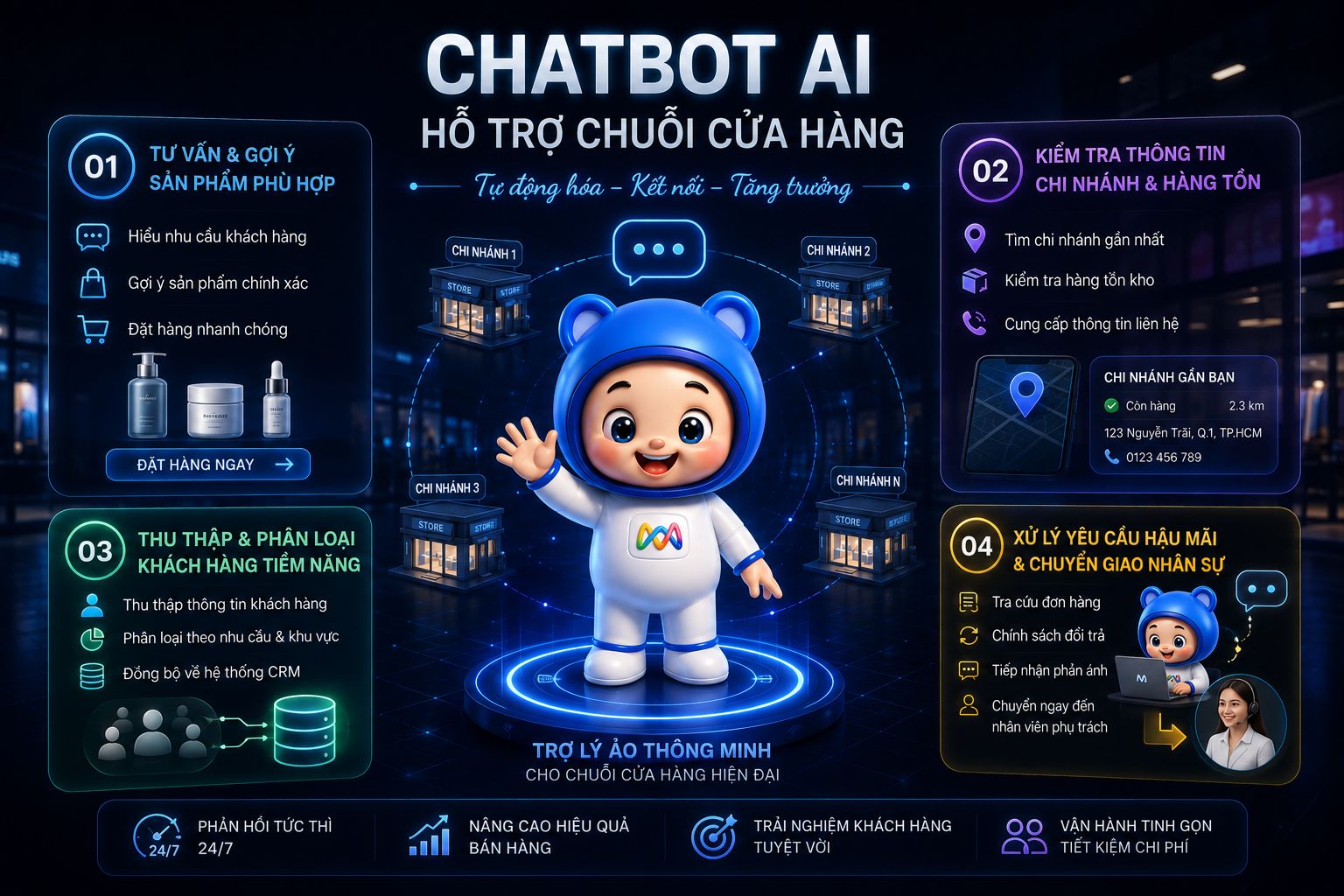
    Chatbot AI hỗ trợ quản lý chuỗi cửa hàng

    An AI chatbot for retail chains is a solution that uses artificial intelligence to automate customer consultation, customer service, and sales support for businesses operating multiple stores or branches. Instead of relying entirely on employees to answer each customer inquiry individually, the chatbot can receive and process large volumes of requests quickly and efficiently.

    In particular, AI chatbots can be trained using a company’s own data, including product information, pricing, promotional programs, return and exchange policies, store locations, and frequently asked questions. This allows customers to receive consistent information whether they interact with the brand through its website, Facebook, Zalo, or other online channels.

    Why Should Retail Chains Use AI Chatbots?

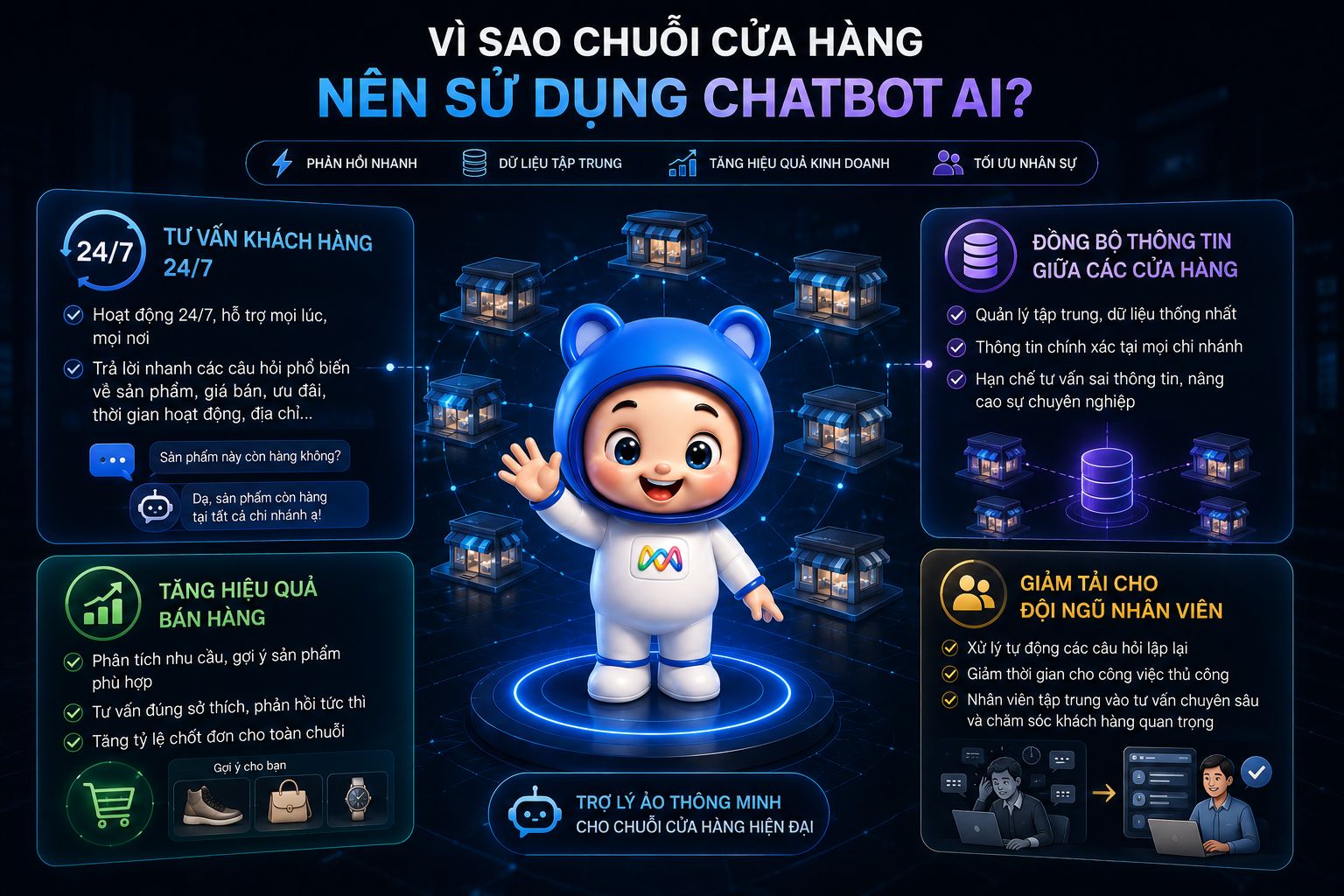
    Lợi ích Chatbot AI cho chuỗi cửa hàng

    24/7 Customer Support

    For businesses with multiple stores, customer messages and inquiries can arise continuously throughout the day. An AI chatbot for retail chains can operate 24/7, providing immediate support even outside regular business hours.

    The chatbot can answer common questions about products, prices, promotions, opening hours, or store locations without requiring employees to handle each request manually.

    Synchronize Information Across Stores

    One of the challenges of operating a retail chain is maintaining consistent information across different branches. With a centrally managed AI chatbot system, businesses can establish a shared data source so that the chatbot provides consistent information to customers.

    This helps minimize inaccurate consultations and enhances the professionalism and reliability of the brand.

    Improve Sales Performance

    A virtual assistant does more than simply answer customer questions. The system can analyze customer needs and recommend relevant complementary products. Personalized recommendations and instant responses can help increase conversion rates across the entire retail chain.

    By responding quickly, businesses can also reduce the risk of losing customers who become frustrated while waiting for an employee to assist them.

    Reduce Employee Workload

    Chatbots can handle large volumes of repetitive questions, allowing employees to spend less time on manual tasks. Staff can then focus on cases that require in-depth consultation or provide direct assistance to customers at physical stores.

    How Can AI Chatbots Support Retail Chains?

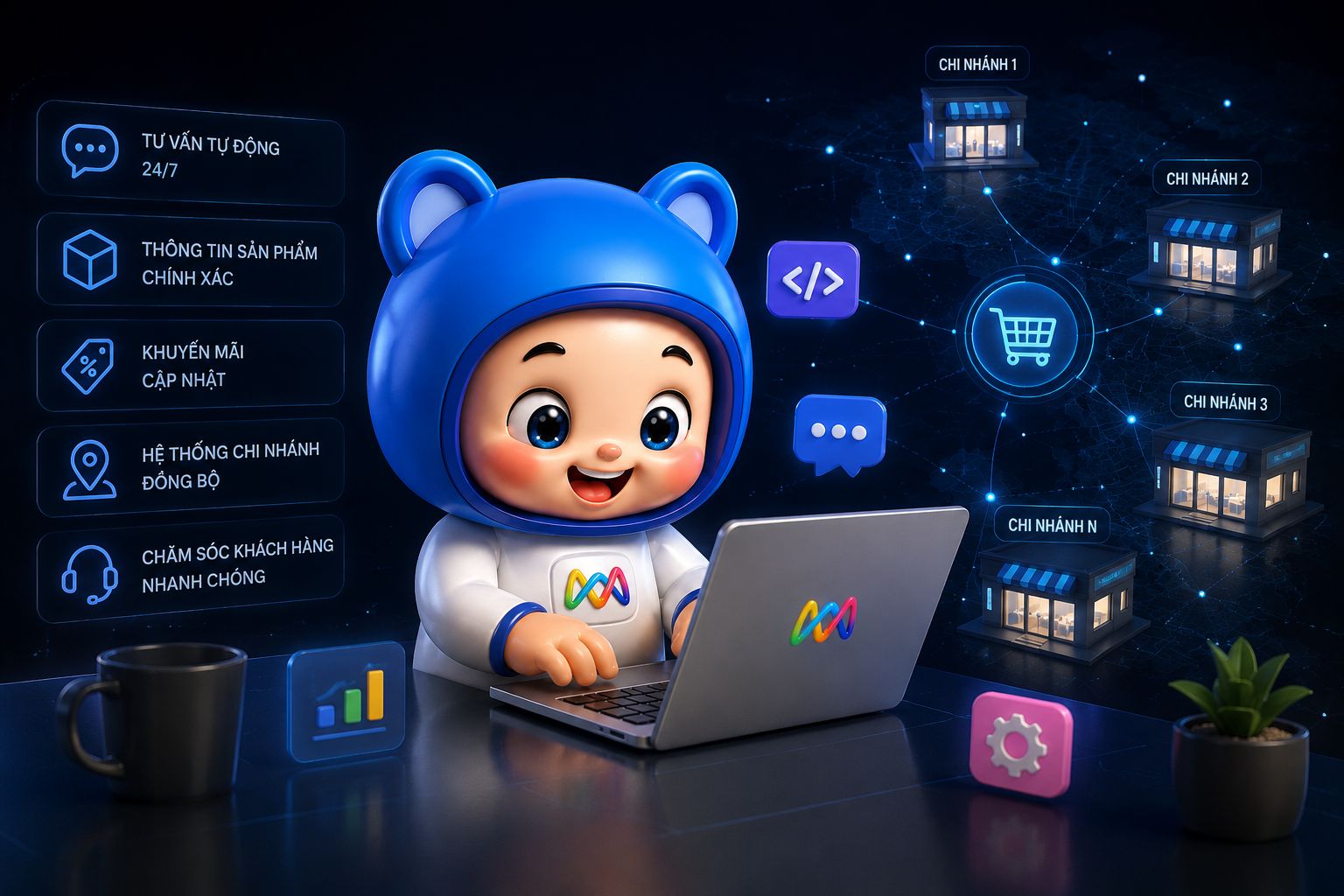
    Chatbot AI kết nối hoạt động chuỗi cửa hàng

    Product Consultation and Personalized Recommendations

    Customers often provide general requests such as, “I’m looking for a moisturizer for sensitive, oily skin under $20.” The chatbot can analyze individual product attributes and provide suitable recommendations with direct purchase links, instead of simply directing customers to a broad product category.

    Check Store Information and Inventory

    Customers only need to share their location or enter the name of their area. The system can automatically identify the nearest store, check product availability at that location, and provide the relevant contact phone number.

    Collect and Qualify Leads

    The system automatically records customer needs, phone numbers, and preferred shopping areas to categorize potential customers. All information can be transferred directly to the customer management system for follow-up and future customer care activities.

    Handle After-Sales Requests and Escalate to Staff

    The virtual assistant can efficiently handle requests such as order tracking, return and exchange policies, or service complaints. For complex complaints, the conversation transfer feature can immediately route the conversation to the appropriate employee for timely resolution.

    Benefits of Implementing AI Chatbots for Retail Chains

    • Streamlined operations: Businesses can scale from 5 stores to dozens of locations without having to hire additional staff to handle messages at each store.
    • Consistent responses: Answers are controlled based on approved internal documents, reducing the risk of different employees providing inconsistent information.
    • Centralized omnichannel management: Businesses can connect and manage messages from websites, Zalo business accounts, and social media channels through a single interface.

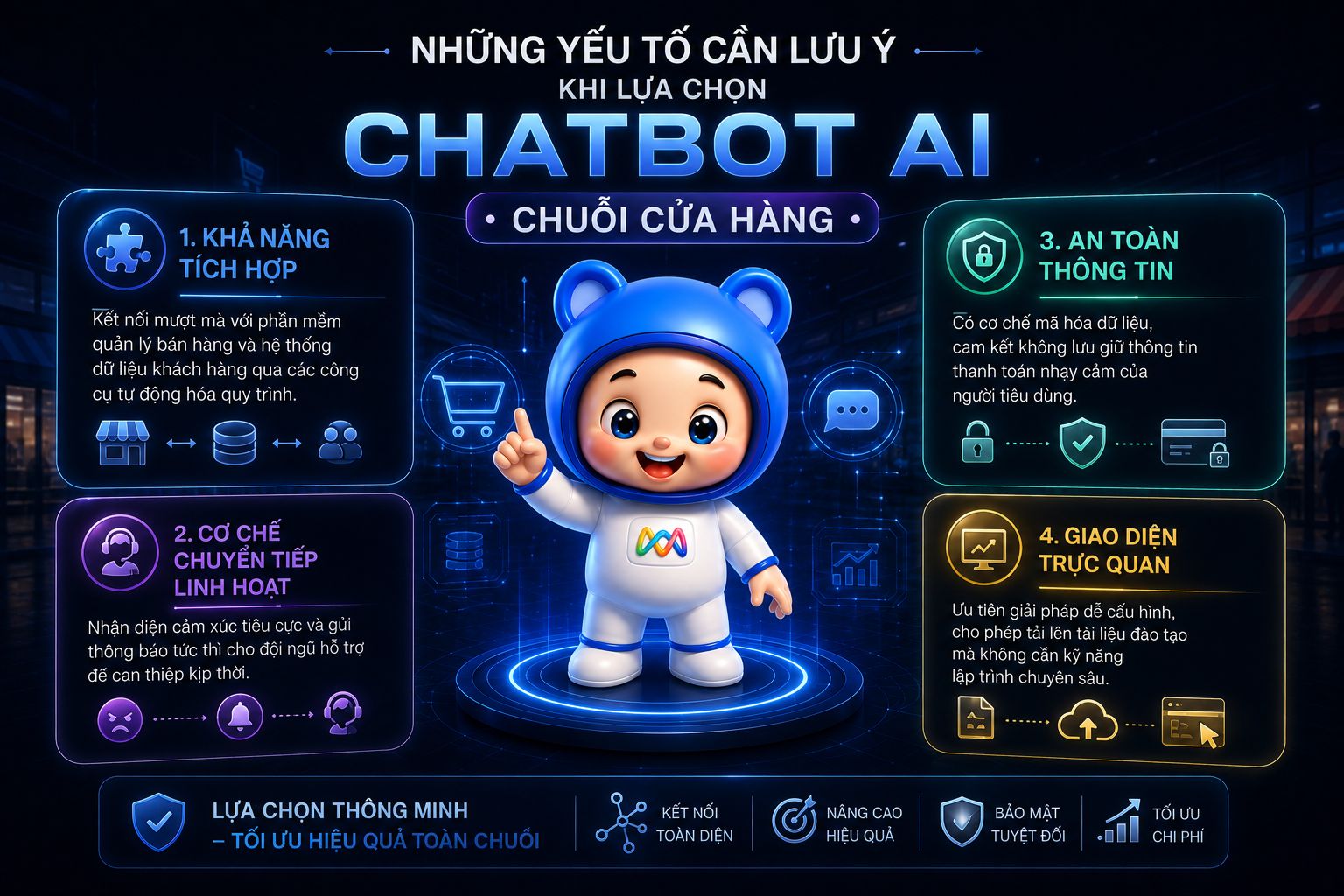
    Key Factors to Consider When Choosing an AI Chatbot for Retail Chains

    To optimize technology investment costs, businesses should carefully evaluate the following practical criteria:

    • Integration capabilities: The platform should seamlessly integrate with point-of-sale management software and customer data systems through workflow automation tools.
    • Flexible escalation mechanism: The system should be able to recognize negative customer sentiment and immediately notify the support team so that staff can intervene directly.
    • Data security: The platform should provide data encryption mechanisms and commit to not storing sensitive consumer payment information.
    • Intuitive interface: Prioritize solutions that are easy to configure and allow businesses to upload training documents without requiring advanced programming skills.

    Lựa chọn giải pháp Chatbot AI cho doanh nghiệp

    A New Step Forward in Customer Management and Service for Retail Chains

    Applying artificial intelligence to retail operations has become a clear competitive advantage. Intelligent assistants help reduce manual workloads, elevate the customer experience, and support sustainable business growth. You can start with a free trial to directly evaluate the effectiveness of a virtual assistant across your entire retail network.

    Conclusion

    Implementing an AI chatbot for retail chains is no longer merely an experimental option. It is becoming an important solution for businesses looking to streamline operations and strengthen their competitive position. Combining the fast processing capabilities of AI with the flexibility of human employees enables retail chains to improve customer experiences, reduce operational costs, and drive sustainable sales growth.

    If you are looking for an AI chatbot solution for retail chains that fits your business needs, contact Chatvareno today for consultation and support in implementing the optimal solution for your business.

  • How to Write an Effective Chatbot Script: An A-Z Guide

    How to Write an Effective Chatbot Script: An A-Z Guide

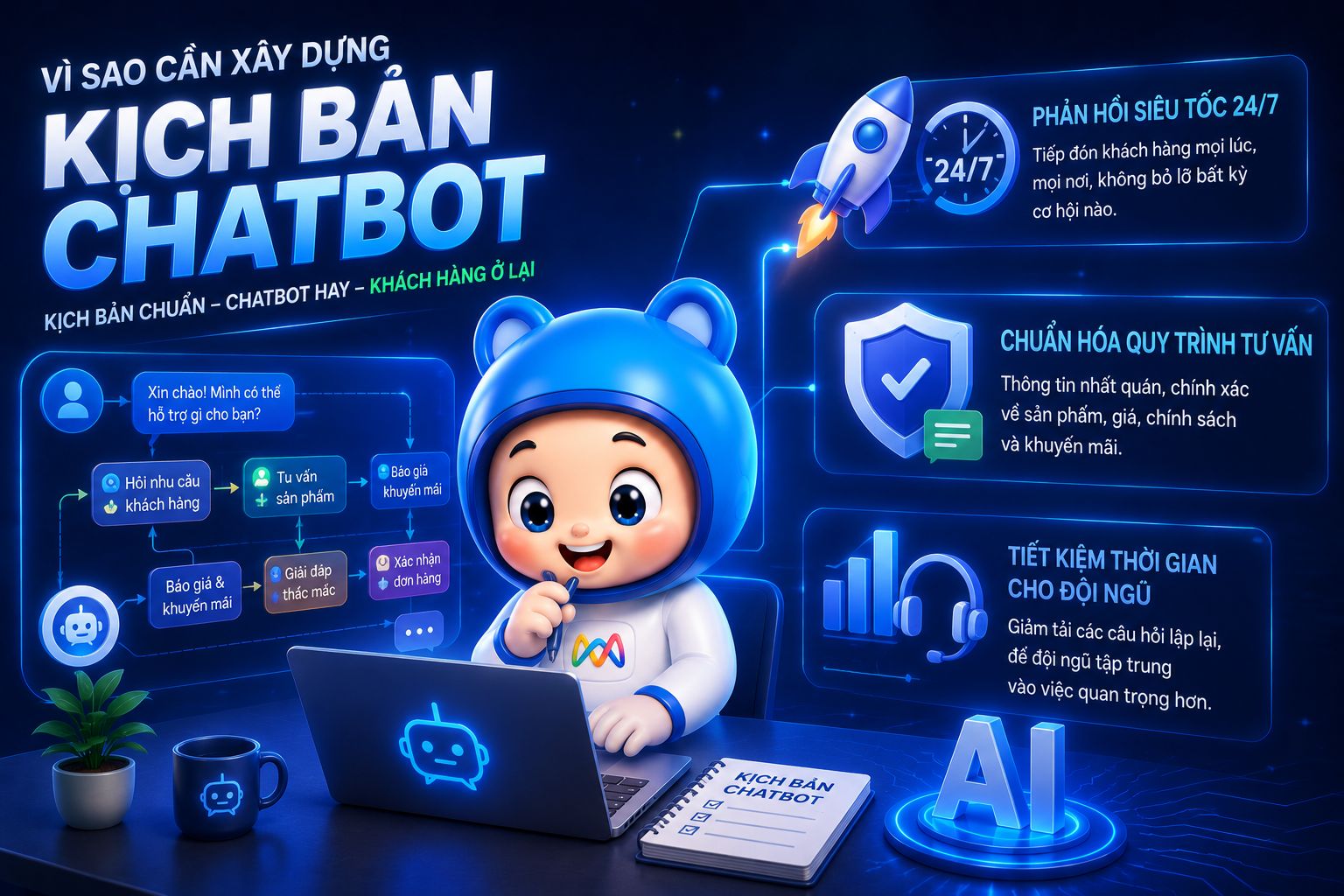
    How to Write an Effective Chatbot Script: An A-Z Guide helps businesses build smarter, more natural chatbot conversations that meet customer needs and support business goals. From defining chatbot objectives to creating logical conversation flows and optimizing responses, a well-designed script can improve customer service, automate consultations, and deliver a better overall customer experience.

    What Is a Chatbot Script?

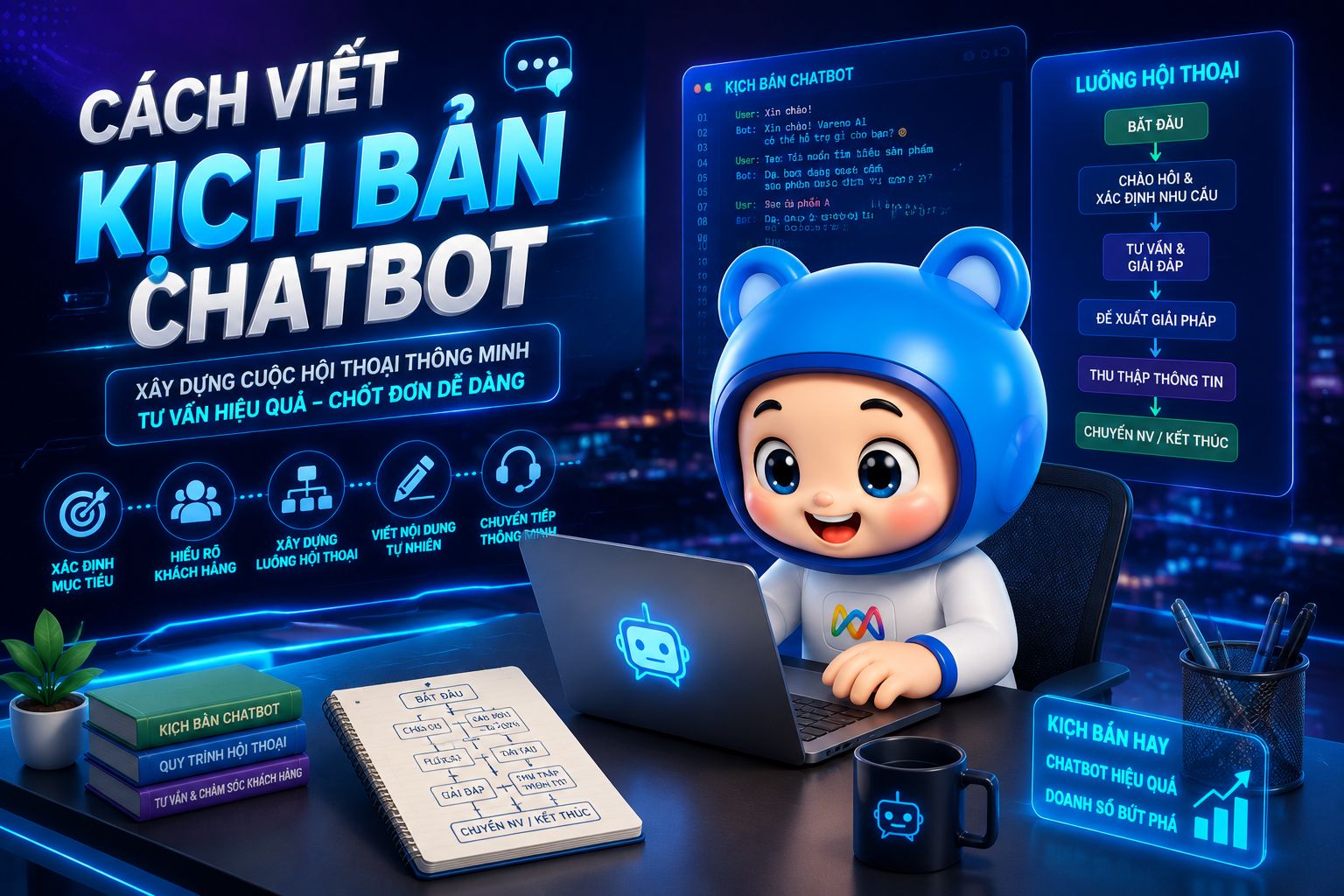
    Kịch bản chatbot và luồng hội thoại với khách hàng

    A chatbot script is a collection of content, questions, answers, and response flows designed for different conversation scenarios between the chatbot and customers. A well-designed script helps the chatbot understand what customers want, provide relevant information, and guide users toward the next action.

    Depending on their specific goals, businesses can create sales chatbot scripts, product consultation scripts, customer service scripts, lead collection flows, or post-purchase support scenarios.

    Why Is It Important to Build a Well-Structured Chatbot Script?

    A carefully prepared messaging flow provides several practical benefits for business operations:

    Lợi ích xây dựng kịch bản chatbot bài bản

    • Instant 24/7 responses: Welcome and assist customers immediately on websites, Zalo OA, or Messenger, minimizing the risk of customers turning to competitors because they have to wait.
    • Standardized consultation processes: Ensure that information about prices, return policies, promotions, and other details remains consistent and accurate according to the brand’s guidelines.
    • Save time for chat support teams: Reduce repetitive questions such as requests for price lists, store locations, or delivery times.

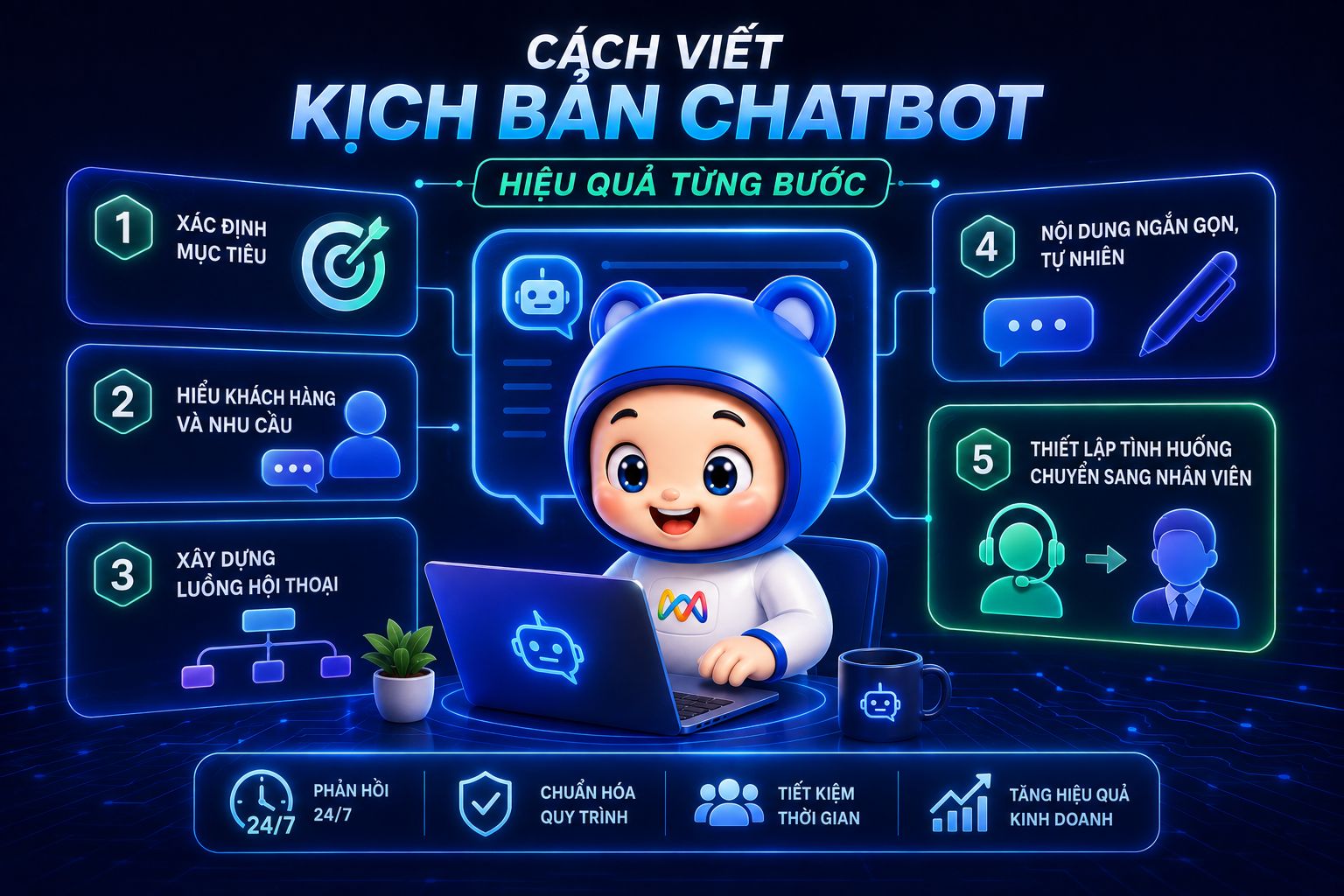
    How to Write an Effective Chatbot Script Step by Step

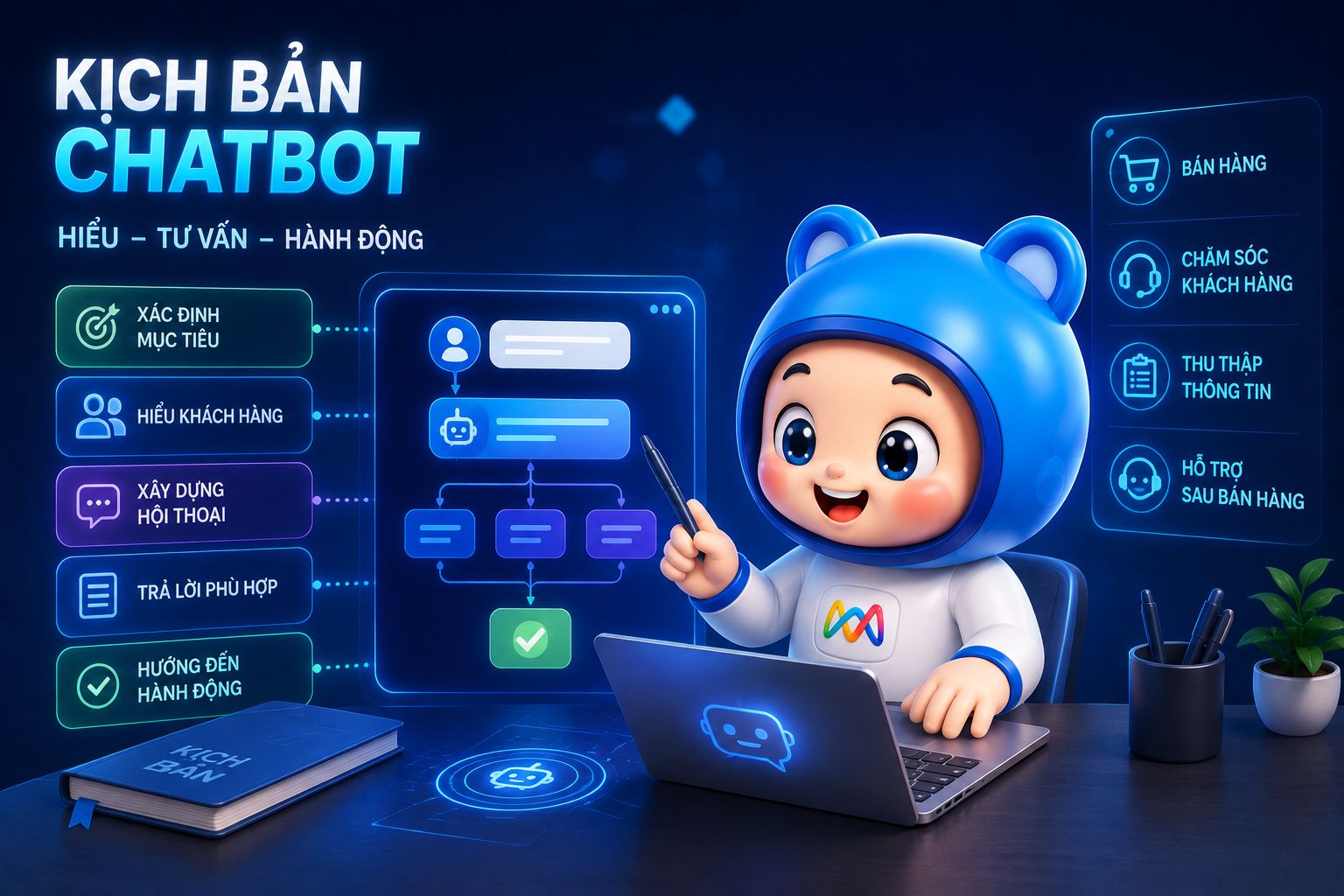
    Các bước viết kịch bản chatbot hiệu quả

    Define the Chatbot’s Goal

    Before starting how to create a chatbot script, businesses need to determine what the chatbot is designed to accomplish. Its goals may include increasing orders, providing product consultations, supporting customers, scheduling appointments, or collecting leads.

    Each goal requires a different conversation flow. Clearly defining the objective from the beginning helps keep the chatbot’s content focused and prevents unnecessarily long conversations.

    Identify Customer Needs and Behavior

    List the questions customers commonly ask when researching a product or service. For example:

    • How much does the product cost?
    • What models are available?
    • Do you offer delivery?
    • How long does delivery take?
    • What is your return policy?

    These questions provide the foundation for creating a customer consultation chatbot script that closely matches real customer needs.

    Build a Logical Conversation Flow

    A chatbot script should be divided into multiple branches instead of creating one long conversation. For example:

    Customer: I want to learn more about your products.

    Chatbot: Sure! Which product category are you interested in?

    → Product A
    → Product B
    → Product C

    After the customer makes a selection, the chatbot can provide relevant information and guide them toward the next action, such as viewing a product, requesting a quotation, or contacting a sales representative.

    This structure makes the conversation easier for customers to navigate and easier for businesses to manage.

    Keep the Content Short and Natural

    One of the most important principles of how to write a chatbot script is avoiding long blocks of information. The content should be concise, clear, and written in a natural conversational style.

    Instead of writing:

    “Dear customer, please select one of the product categories listed below.”

    A more natural version would be:

    “Which product are you interested in?”

    Natural wording makes the conversation more friendly and engaging.

    Set Up Human Handoff Scenarios

    Not every customer question can be handled by a chatbot. Therefore, the script should include a Human Handoff option when customers have complex issues or want to speak directly with a staff member.

    For example:

    “I don’t have enough information to provide an accurate answer to this case. Let me connect you with a consultant who can assist you right away!”

    This helps prevent incorrect chatbot responses and reduces customer frustration.

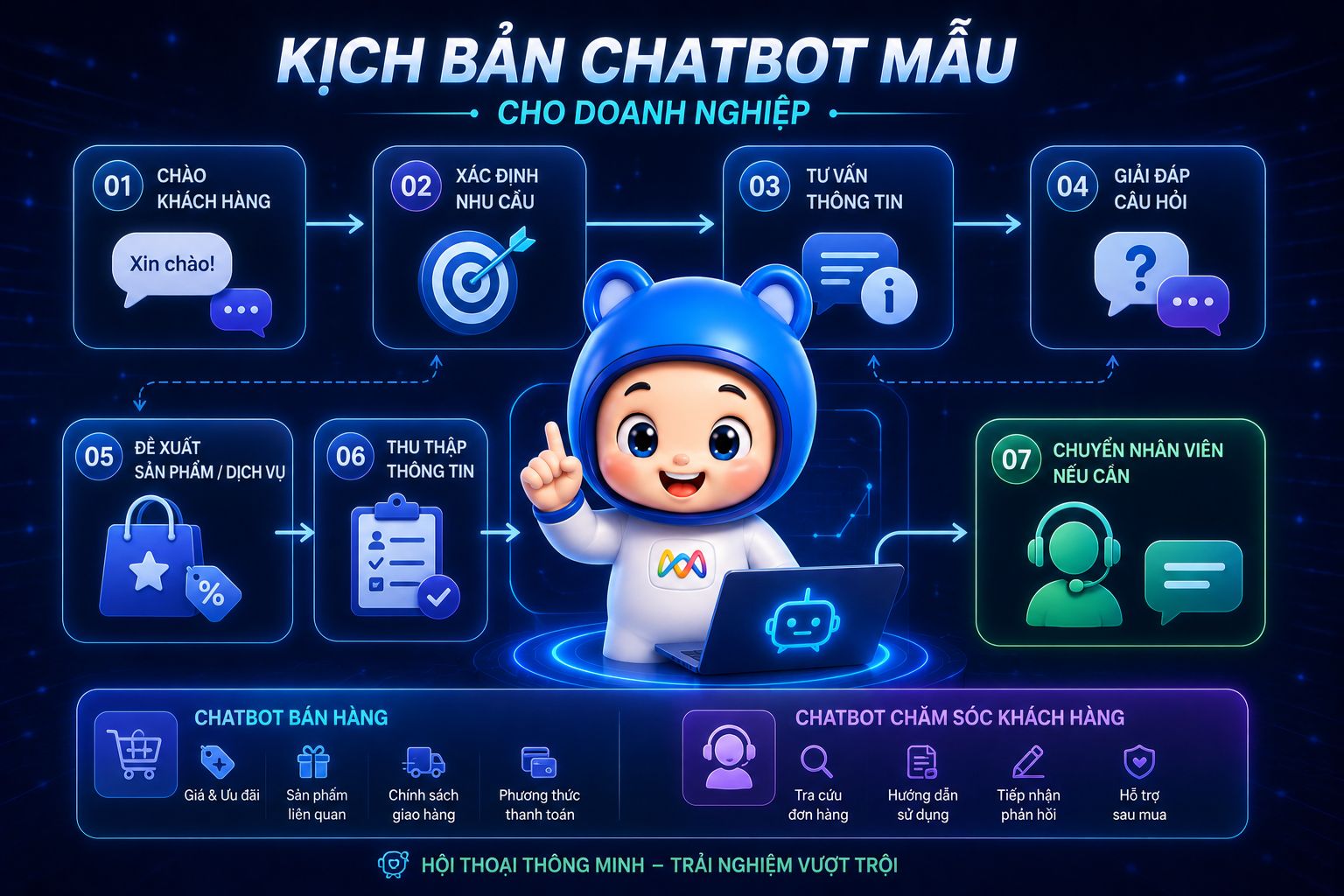
    Sample Chatbot Script for Businesses

    A basic chatbot script example can follow this process:

    Greet the customer → Identify their needs → Provide information → Answer questions → Recommend products/services → Collect customer information → Transfer to a staff member if needed.

    For sales chatbots, businesses can add branches covering pricing, promotions, related products, delivery policies, and payment methods. For customer service chatbots, the focus should be on order tracking, usage instructions, feedback collection, and post-purchase support.

    Kịch bản chatbot mẫu cho doanh nghiệp

    Common Mistakes to Avoid When Writing a Chatbot Script

    Many businesses experience customers leaving immediately after the first message because of the following common mistakes:

    • Forcing customers to read too much: Sending 4–5 long, text-heavy messages in a row can overwhelm users.
    • Creating endless loops: No matter which option customers select, they are redirected back to the main menu without receiving a specific answer.
    • Making the script too rigid: If customers make a spelling mistake or phrase their question slightly differently from the predefined keywords, the bot immediately reports that it cannot understand the request.

    Optimizing Chatbot Scripts with AI

    With an AI chatbot, businesses do not necessarily have to build the entire conversation using fixed questions and answers. AI can be trained on business data to understand context, identify customer needs, and generate more relevant responses.

    By combining a structured script with natural language processing capabilities, a chatbot can maintain accurate information while delivering a more natural conversational experience.

    Therefore, instead of simply building an automated response bot, businesses should invest in a system capable of learning from business data, consulting customers, and collaborating with human agents when necessary. This provides a foundation for AI chatbots to become powerful tools for business growth and customer service.

    Conclusion

    Applying the right approach to writing chatbot scripts helps businesses optimize operational resources and respond to customers quickly, around the clock. Start by standardizing frequently asked questions, establishing basic consultation flows, and gradually upgrading to intelligent AI solutions to deliver a better shopping experience today.

  • AI Chatbot for Customer Demand Forecasting – Optimize Your Business with AI

    AI Chatbot for Customer Demand Forecasting – Optimize Your Business with AI

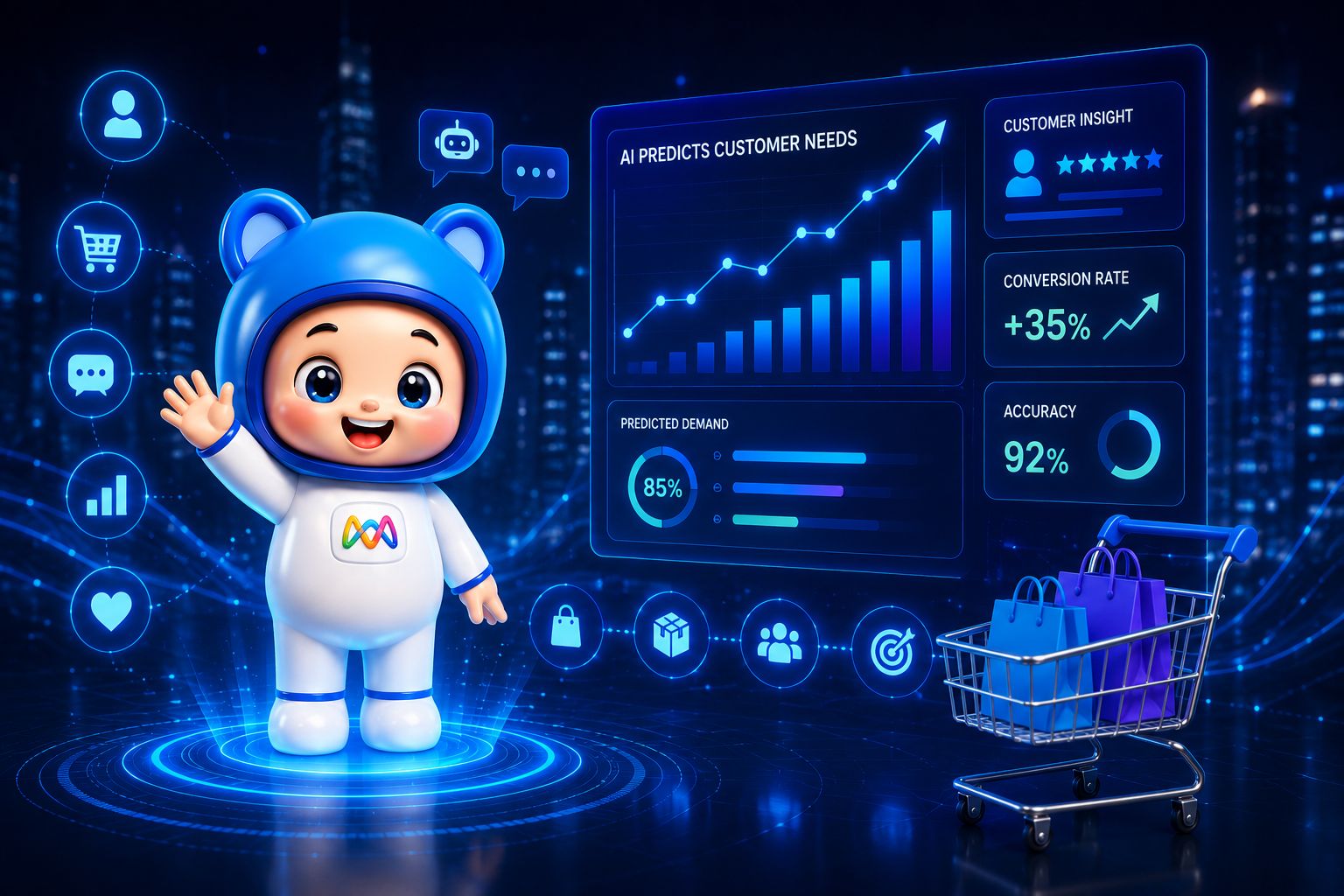
    In a competitive business environment, understanding what customers need and which products they are likely to purchase is essential for improving sales performance. Instead of simply responding when customers ask questions, an AI chatbot for customer demand forecasting can analyze data and interaction behavior to identify customer needs, helping businesses develop more effective customer service and sales strategies.

    What Is an AI Chatbot for Customer Demand Forecasting?

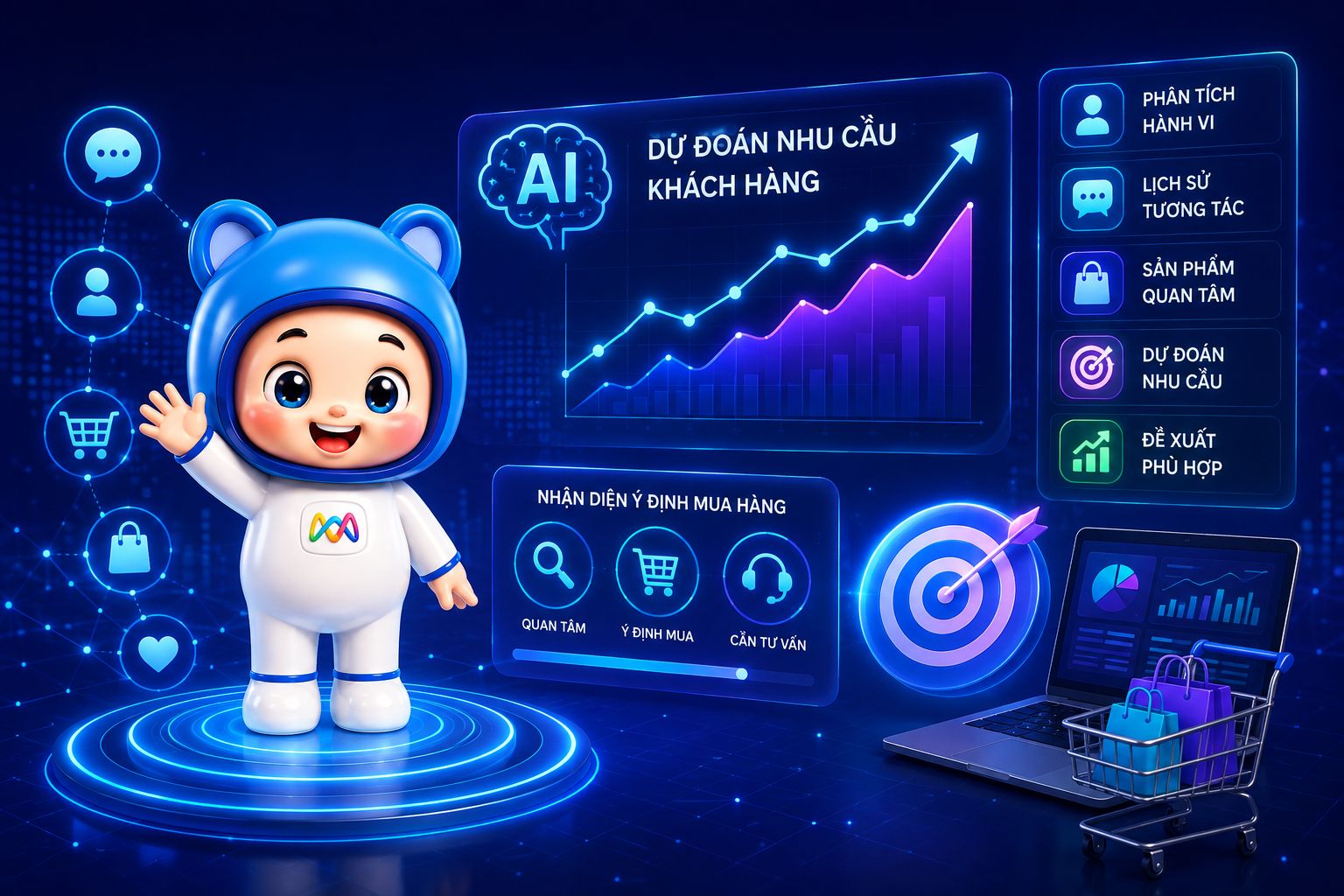
    Chatbot AI phân tích hành vi và dự báo nhu cầu khách hàng

    An AI chatbot for customer demand forecasting is a solution that combines chatbot technology with artificial intelligence to analyze customer information, interaction history, and user behavior in order to predict future needs.

    Rather than functioning only as a question-answering tool, the chatbot can identify signals indicating that a customer is interested in a particular product, has purchase intent, or may need further consultation. These insights enable businesses to take a more proactive approach to customer engagement.

    How Does an AI Chatbot for Customer Demand Forecasting Work?

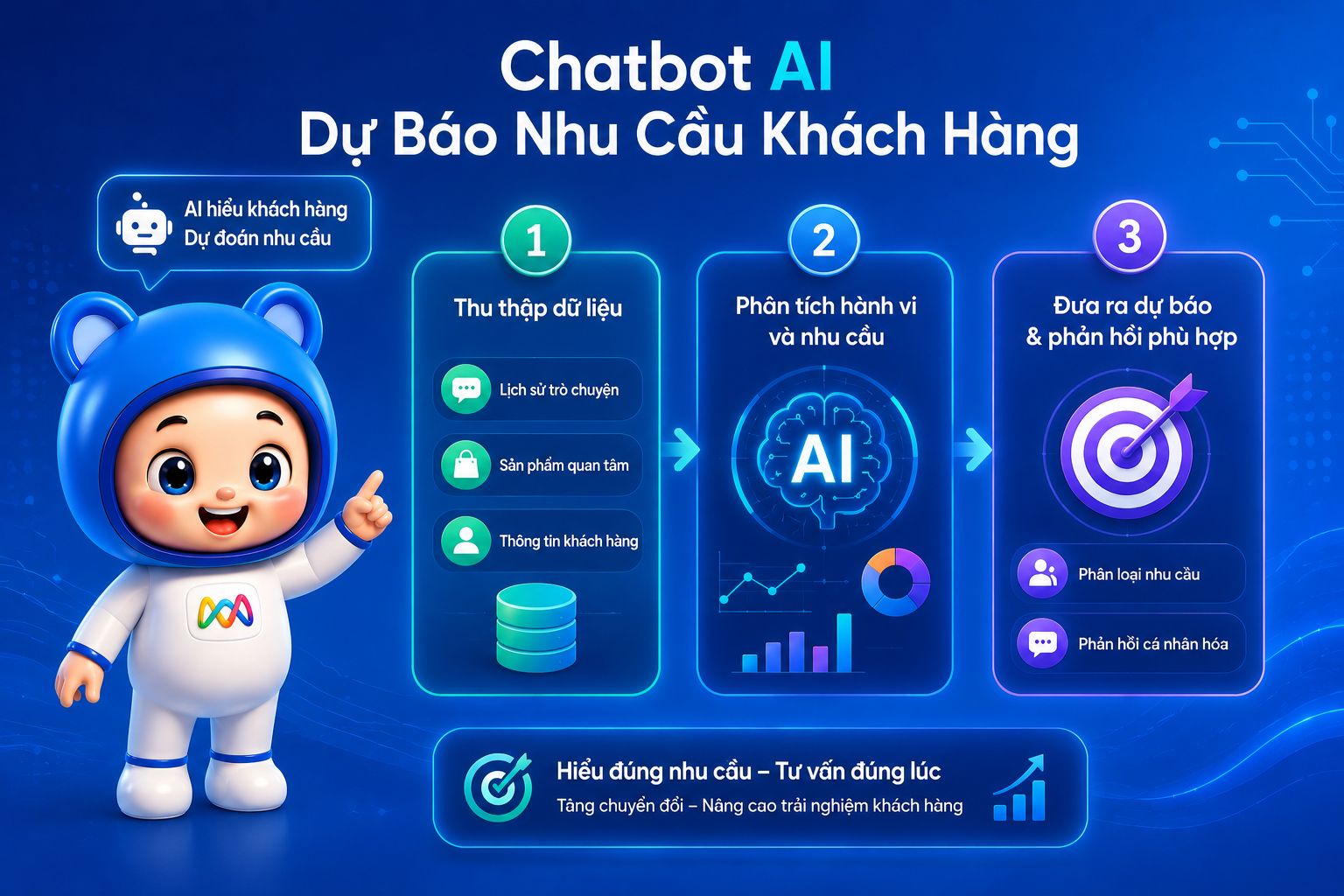
    Ứng dụng chatbot AI trong dự báo nhu cầu và hỗ trợ bán hàng

    Collecting Customer Data

    The chatbot can record information generated during customer interactions, including questions, products of interest, conversation history, and customer feedback. When combined with data from websites, CRM systems, or sales channels, businesses can build a more comprehensive customer data source.

    Analyzing Customer Behavior and Needs

    AI uses collected data to identify patterns and signals in customer behavior. For example, a customer who repeatedly views information about the same product category or asks multiple questions about pricing and features may be in the consideration stage of the buying journey.

    Providing Predictions and Relevant Responses

    Based on the analysis, the chatbot can help classify customer needs and provide responses tailored to each customer segment. This allows businesses to avoid using the same customer service script for every user.

    Practical Benefits for Businesses

    Applying conversational AI technology can create several competitive advantages:

    Lợi ích chatbot AI trong thấu hiểu và cá nhân hóa khách hàng

    • Gain deeper customer insights: The system can record and categorize preferences, budgets, and purchasing habits across different customer segments without missing valuable data.
    • Personalize the customer experience: Each customer receives responses and product recommendations tailored to their specific needs at the time of interaction.
    • Increase sales opportunities: Accurate recommendations delivered at the right moment can improve conversion rates and reduce the risk of customers leaving because they cannot find a suitable product.
    • Optimize operational resources: Automated 24/7 responses reduce the workload for customer service teams, allowing employees to focus on higher-value sales opportunities.

    Applications of AI Chatbot for Customer Demand Forecasting

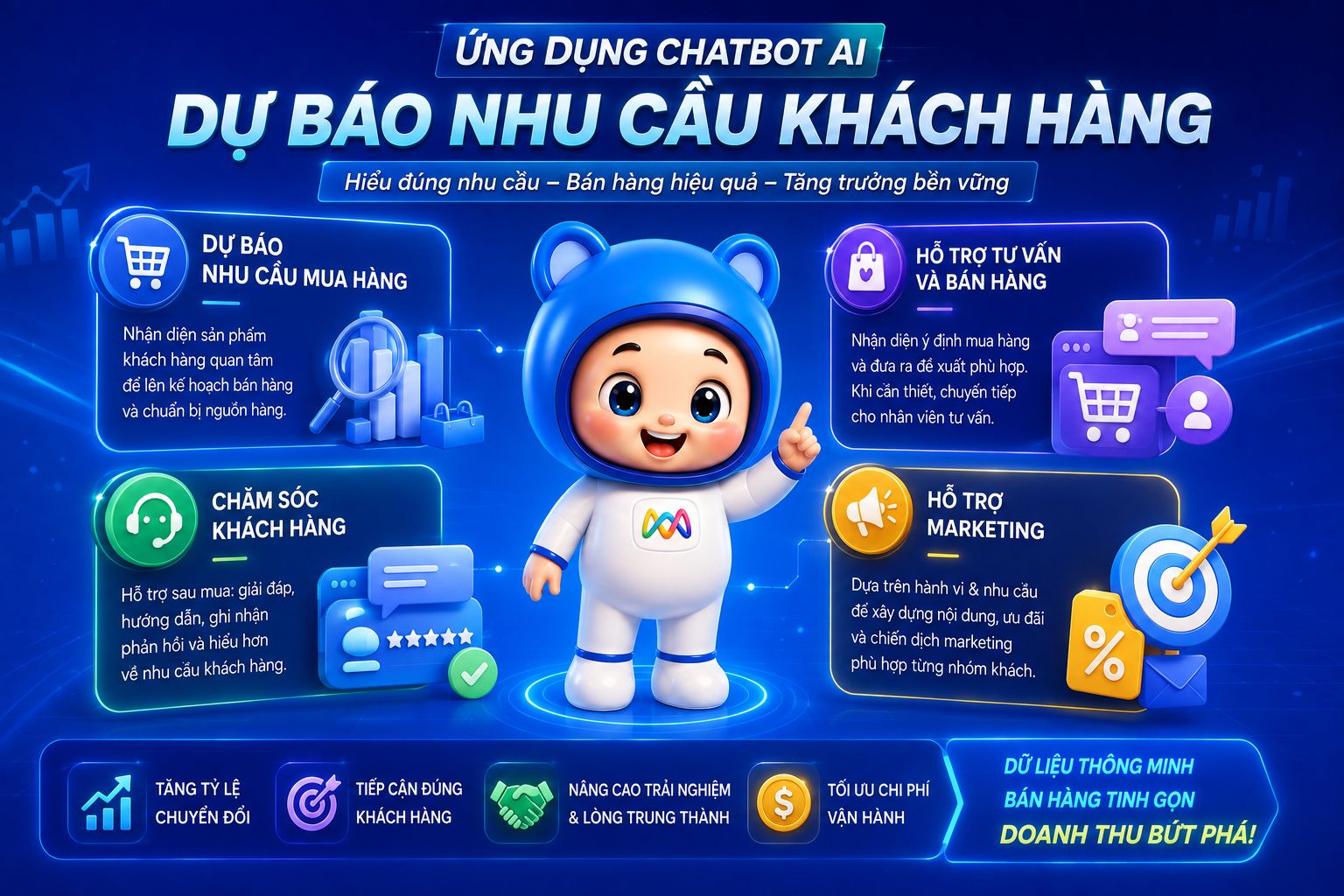
    Predicting Purchasing Demand

    Businesses can use chatbot data to identify product categories that customers are most interested in, supporting sales planning and inventory preparation.

    Supporting Consultation and Sales

    The chatbot can identify purchase intent through conversations and provide relevant recommendations. When a customer shows strong purchase intent, the system can transfer the conversation to a sales representative for further consultation.

    Customer Service

    After a purchase, the chatbot can continue to answer questions, provide product usage guidance, and collect customer feedback. This data can also provide valuable insights into customer needs after the sale.

    Supporting Marketing Activities

    Information about customer behavior and needs helps businesses develop more relevant content, promotional programs, and marketing campaigns for different target segments.

    Chatbot AI dự báo nhu cầu khách hàng hỗ trợ doanh nghiệp bán hàng, chăm sóc khách hàng và marketing.

    What Should Businesses Consider When Implementing AI Chatbots?

    For an AI chatbot for customer demand forecasting to operate effectively, businesses should pay close attention to the quality of input data, integration capabilities with existing systems, and the design of customer interaction scenarios.

    AI should also serve as a support tool rather than completely replacing human employees. For complex cases or customers who require in-depth consultation, connecting them with a human representative can help ensure a better customer experience.

    AI Chatbot for Customer Demand Forecasting with Chat Vareno

    Chat Vareno helps businesses apply AI to customer communication, consultation, and customer service. By combining business data with AI-powered analysis, the chatbot can help identify customer needs, segment customers, and provide more relevant responses throughout each conversation.

    Conclusion

    An AI chatbot for customer demand forecasting helps businesses move from reactive customer support to a more proactive approach to understanding and meeting customer needs. This is a valuable application of AI for personalizing customer experiences, supporting sales activities, and optimizing customer service in the digital era.

  • Multilingual Chatbot – An AI Solution to Connect with Customers Worldwide

    Multilingual Chatbot – An AI Solution to Connect with Customers Worldwide

    As businesses continue their digital transformation, they are increasingly looking to reach customers across different markets and countries. However, language differences can become a barrier to customer consultation, support, and sales. A multilingual chatbot provides an AI-powered solution that enables businesses to communicate with customers in multiple languages, delivering a faster, more convenient, and consistent experience.

    What Is a Multilingual Chatbot?

    A multilingual chatbot is a chatbot system designed to recognize and process multiple languages within a single platform. Instead of responding to customers in only one fixed language, the chatbot can identify the language being used and respond accordingly.

    With AI-powered natural language processing capabilities, a multilingual chatbot can help customers find information, answer questions, provide product recommendations, and perform various other tasks without requiring employees to handle every conversation manually.

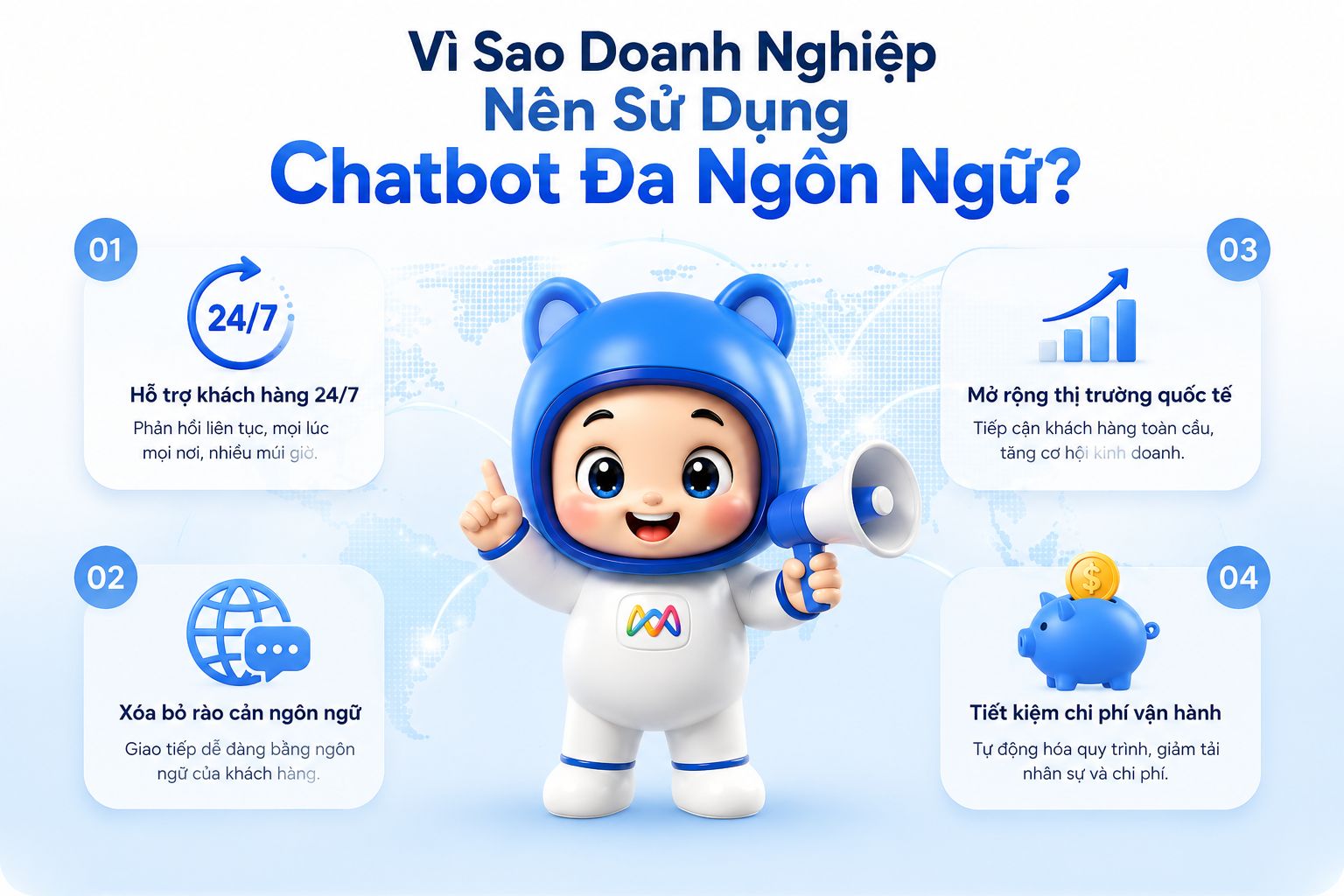
    Why Should Businesses Use a Multilingual Chatbot?

    As businesses expand internationally, response speed and personalized experiences become key factors influencing conversion rates. Integrating AI technology into customer communication processes can provide significant operational advantages.

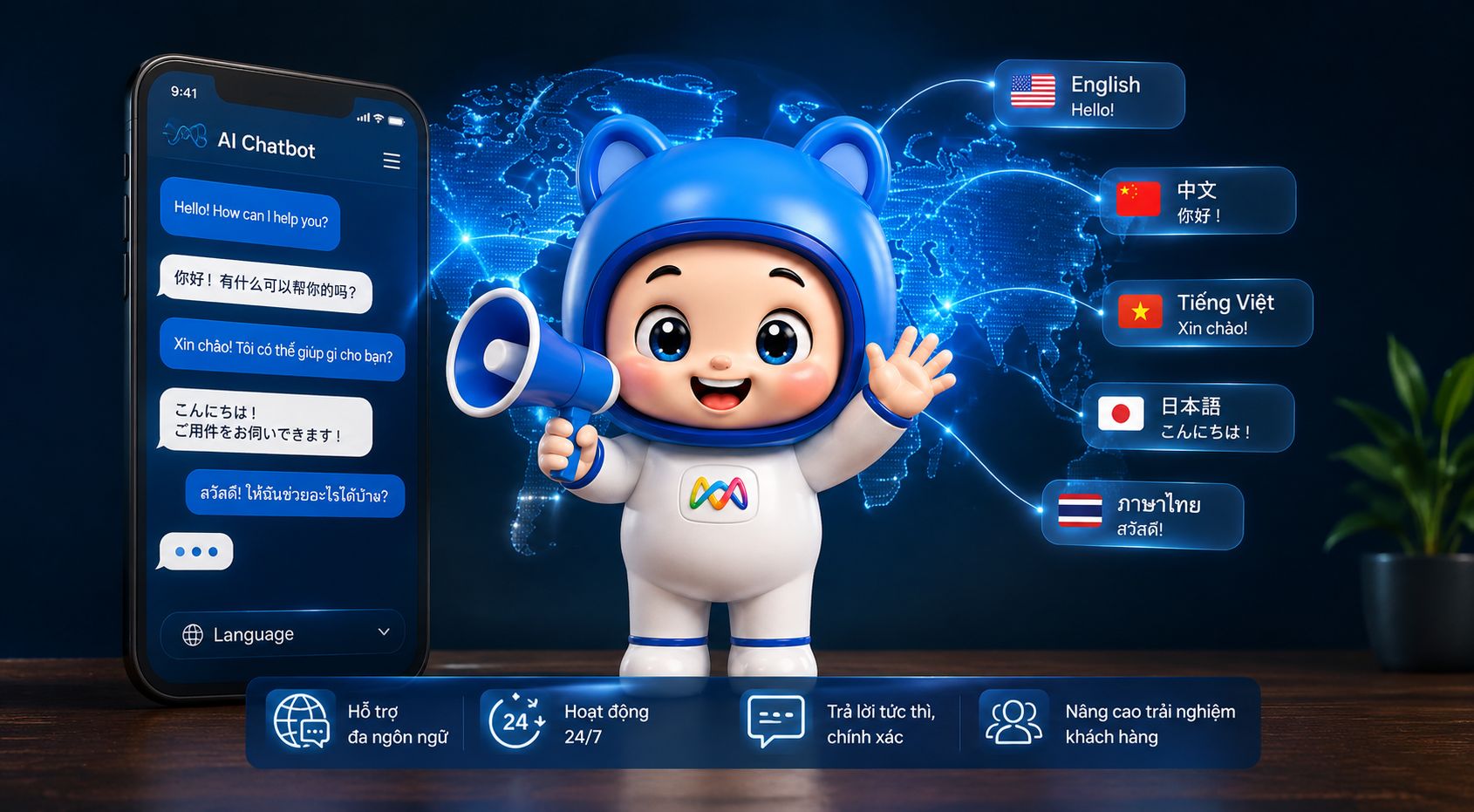
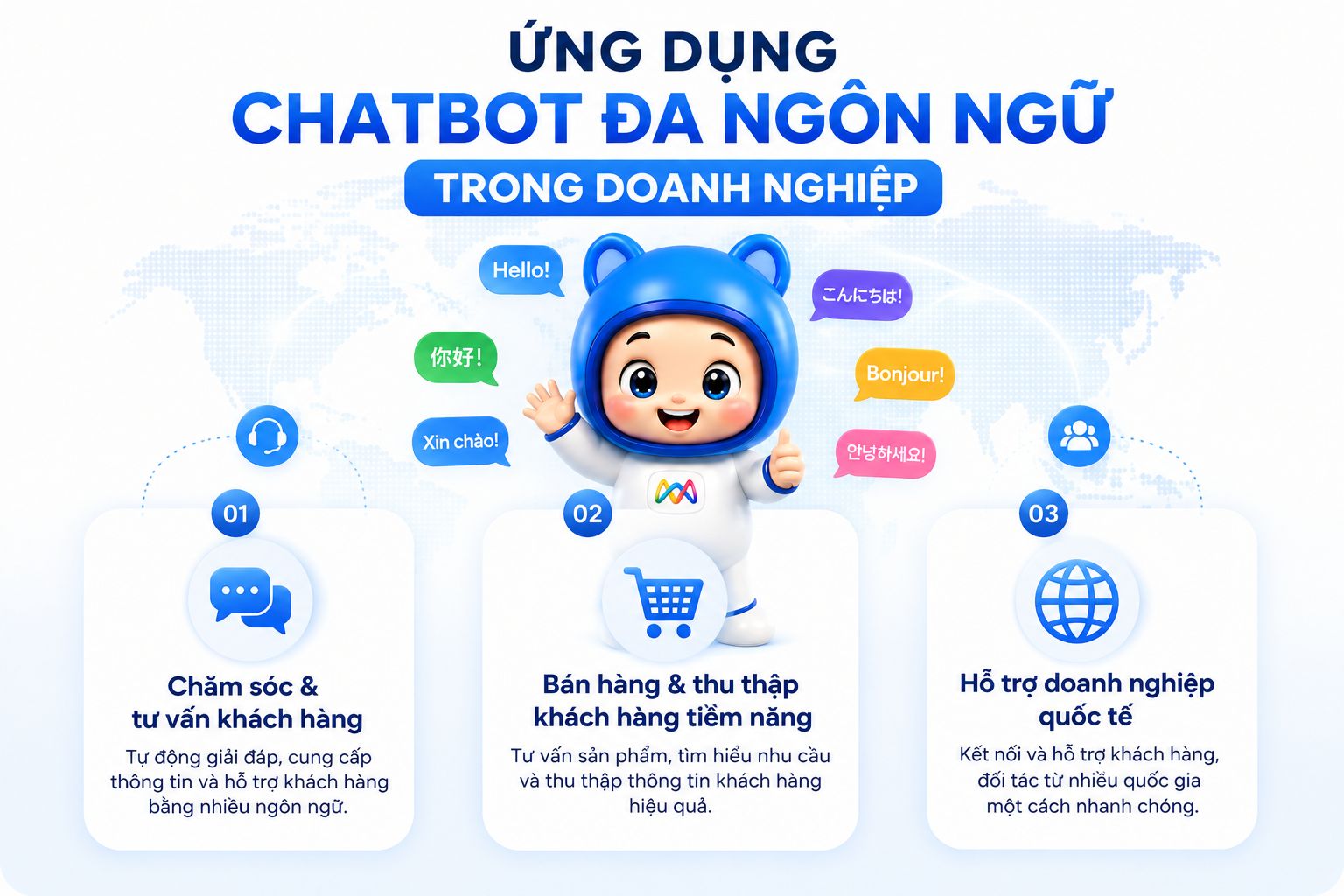
    Chatbot đa ngôn ngữ nhận diện và phản hồi khách hàng bằng nhiều ngôn ngữ

    24/7 Customer Support

    One of the key benefits of a multilingual chatbot is its ability to operate continuously. Customers can ask questions at any time and receive automated responses without depending on the company’s business hours.

    Time zone differences across continents are no longer a major obstacle. An AI assistant can remain available 24/7 across multiple platforms, including websites, Zalo OA, and Messenger, responding to customer inquiries in just a few seconds.

    Breaking Down Language Barriers

    Language is one of the factors that directly affects the customer experience. When users can communicate in a language they are comfortable with, they can understand information more easily and interact with the business more naturally.

    An AI multilingual chatbot helps businesses reduce their dependence on multilingual customer service staff while creating a consistent communication experience across different markets.

    Expand into International Markets

    When businesses want to reach international customers, deploying a multilingual chatbot can provide significant support during the early stages of expansion. The chatbot can provide product consultations, service information, and receive inquiries from customers around the world.

    This allows businesses to expand their reach without having to build a separate customer service team for every market.

    Reduce Operational Costs

    Instead of hiring and maintaining teams of multilingual employees to work around the clock, businesses can upload their operational and business documents to the system once. Maintaining an AI-powered technology infrastructure can be significantly more cost-effective than relying entirely on traditional staffing models.

    Which Languages Can a Multilingual Chatbot Support?

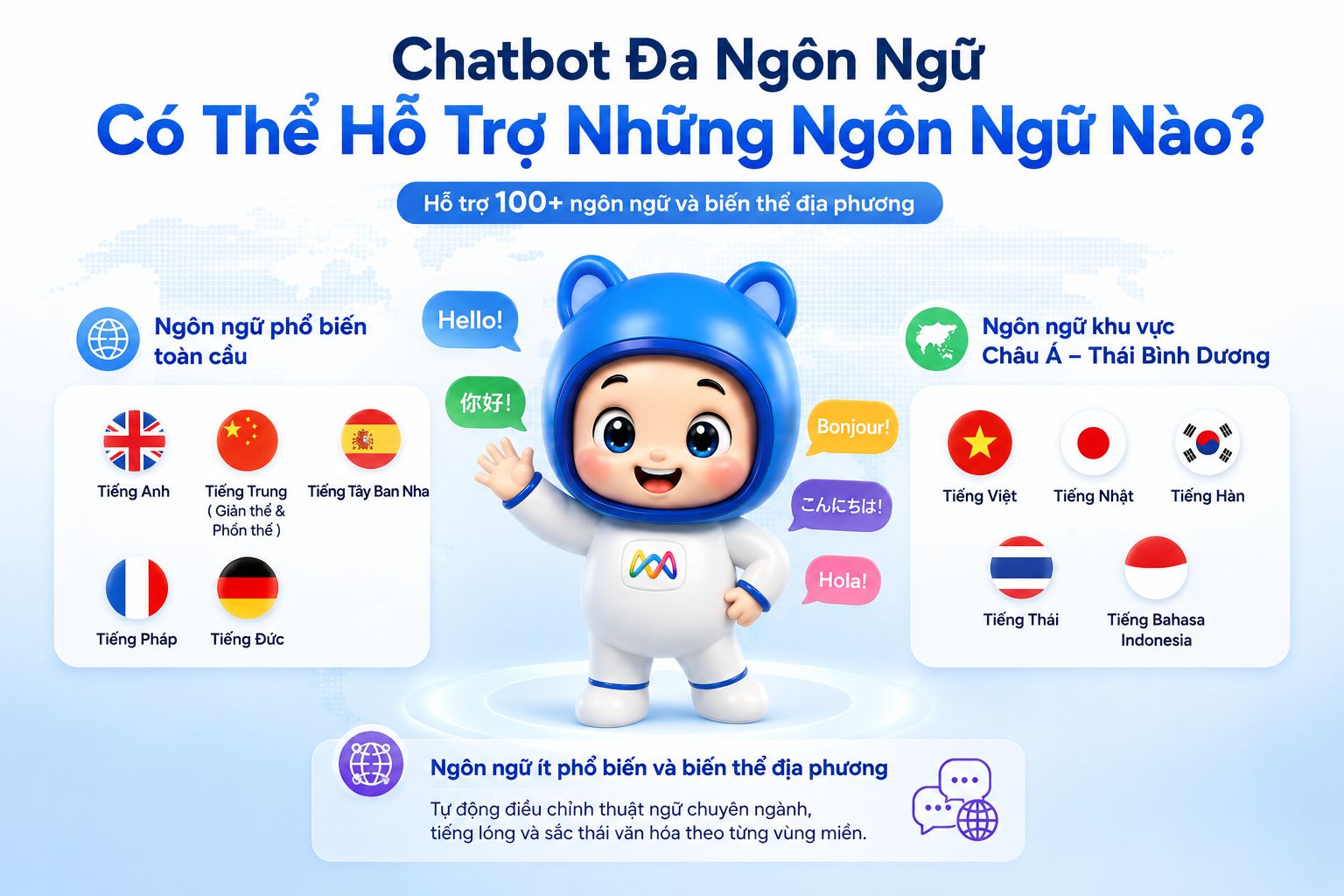
    Powered by advanced LLM technology, modern AI Agent solutions can process more than 100 languages and local language variations. Supported languages can generally be divided into several groups:

    Chatbot AI hỗ trợ tiếng Việt tiếng Anh tiếng Trung tiếng Nhật và nhiều ngôn ngữ

    • Major global languages: English, Chinese (Simplified and Traditional), Spanish, French, and German.
    • Asia-Pacific languages: Vietnamese, Japanese, Korean, Thai, and Bahasa Indonesia.
    • Less common languages and local variations: Automatically adapt industry-specific terminology, slang, and cultural nuances according to different regions.

    Applications of Multilingual Chatbots in Business

    AI assistants can automate many important stages throughout the customer journey.

    Customer Service and Consultation

    A multilingual customer service chatbot can answer frequently asked questions, guide customers on product usage, provide service information, and support customers before and after a purchase.

    When a more complex issue arises, the chatbot can transfer the conversation to a human employee for further assistance, creating an effective AI-human collaboration process.

    Sales and Lead Generation

    A chatbot is not limited to answering questions. It can also support sales activities by identifying customer needs, recommending suitable products, collecting contact information, and recording customer requirements.

    For businesses serving international customers, multilingual sales consultations can reduce communication barriers during the purchasing process and increase conversion opportunities.

    Supporting International Businesses

    Businesses operating in e-commerce, tourism, education, logistics, import and export, and other international industries can use multilingual chatbots to support customers and partners from different countries.

    The chatbot can serve as the first point of contact, helping customers quickly find the information they need before being connected with the appropriate specialist.

    How to Choose the Right Multilingual Chatbot

    When choosing a multilingual chatbot solution, businesses should consider its ability to understand context, the number of supported languages, response accuracy, and integration capabilities with websites, social media platforms, and CRM systems.

    The ability to customize the chatbot using business-specific data is also essential. An effective chatbot should not only understand different languages but also understand the company’s products, services, policies, and brand communication style.

    Conclusion

    A multilingual chatbot helps businesses break down language barriers, automate 24/7 customer support, and expand into international markets more effectively. With Chat Vareno, businesses can leverage AI to provide customer consultation and support in multiple languages while optimizing resources and improving the overall user experience.

  • E-commerce AI Chatbot: Automate Sales and Customer Support with an AI Agent

    E-commerce AI Chatbot: Automate Sales and Customer Support with an AI Agent

    E-commerce AI Chatbot: Automate Sales and Customer Support with an AI Agent is a powerful AI solution that helps businesses automate sales, provide 24/7 customer support, and deliver personalized shopping experiences. Today’s customers expect instant assistance instead of waiting for email replies or phone calls. They want accurate product and service information immediately on the website they are visiting. Integrating an intelligent AI chatbot is no longer just a trend—it is a strategic investment that improves customer engagement, streamlines sales processes, and increases conversion rates.

    A smart AI Agent operates around the clock to answer customer questions, recommend products, guide shoppers through the purchasing journey, and personalize every interaction. By automating repetitive customer service tasks, businesses can reduce operational costs while ensuring fast, accurate, and consistent responses. This helps improve customer satisfaction, build trust, and create more opportunities to convert visitors into loyal customers.

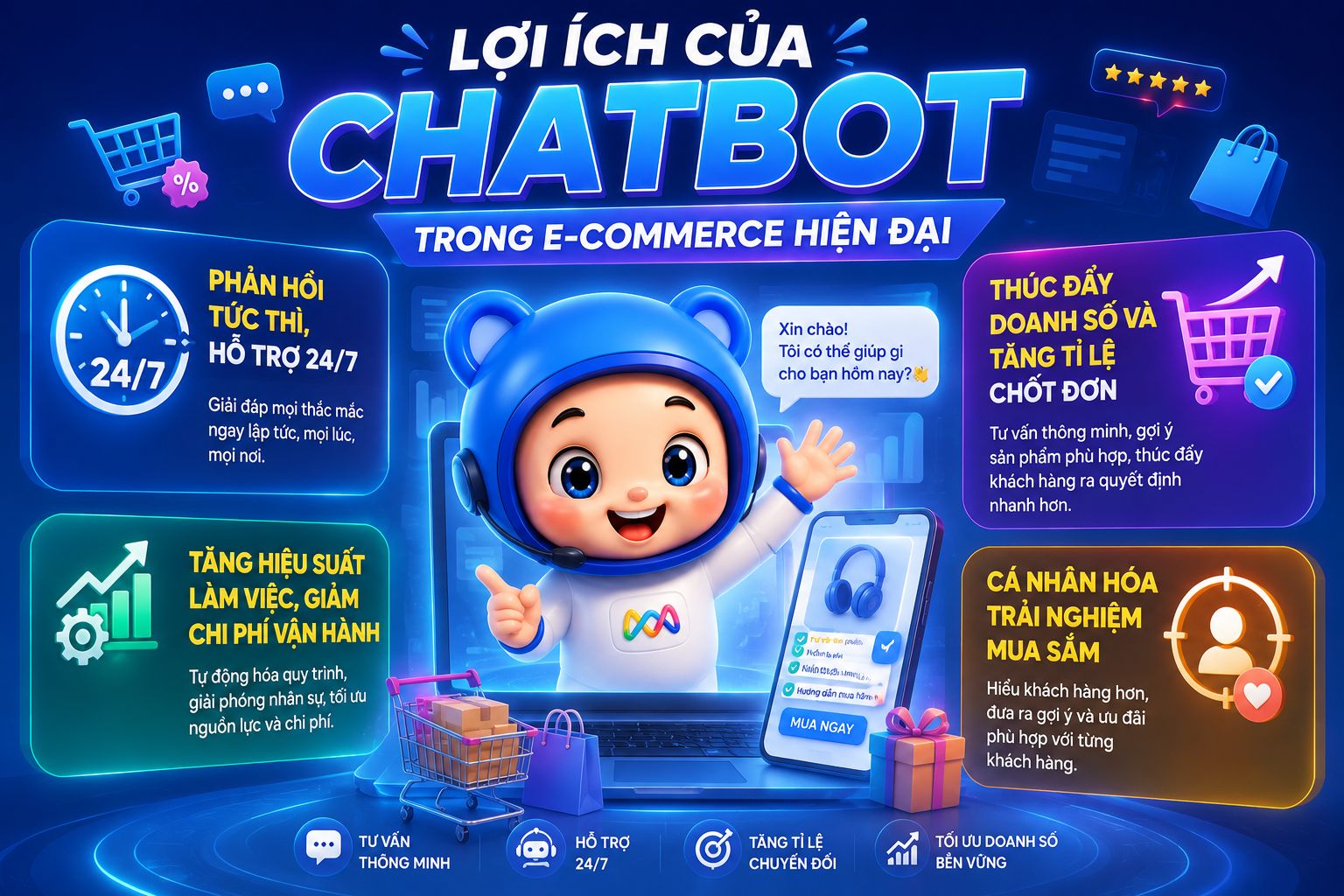
    Benefits and Role of AI Chatbots in Modern E-commerce

    Lợi ích của Chatbot AI trong E-commerce hiện đại: phản hồi tức thì 24/7, tăng hiệu suất làm việc, giảm chi phí vận hành, thúc đẩy doanh số, tăng tỷ lệ chốt đơn và cá nhân hóa trải nghiệm mua sắm.

    In today’s competitive e-commerce landscape, an AI Agent is much more than an automation tool. It acts as a virtual sales assistant trained to support customers throughout the entire shopping journey while helping businesses improve operational efficiency.

    An AI Sales Chatbot uses Artificial Intelligence (AI) and Natural Language Processing (NLP) to understand customer intent, analyze context, and provide accurate, conversational responses. Unlike traditional rule-based chatbots, our AI Agent continuously learns from your business data, creating natural, human-like conversations that keep customers engaged and encourage them to stay on your website longer.

    Key Benefits of an E-commerce AI Chatbot

    Instant Responses, 24/7 Customer Support

    An AI Agent works around the clock, ensuring every customer inquiry is answered immediately—whether it’s during business hours, late at night, weekends, or holidays. This creates a seamless shopping experience without long waiting times.

    Improve Productivity and Reduce Operating Costs

    By automating repetitive tasks such as answering frequently asked questions, providing product information, and guiding customers through the purchasing process, AI chatbots significantly reduce the workload of customer service teams. Employees can then focus on more complex cases that require human expertise.

    Increase Sales and Conversion Rates

    An AI Agent automatically recommends products based on customer preferences and browsing behavior. When customers require advanced assistance, the Human Handoff feature instantly notifies your support team, ensuring valuable sales opportunities are never missed.

    Personalize the Shopping Experience

    AI chatbots remember customer interactions and purchase history to deliver personalized product recommendations, promotions, and exclusive offers. Personalized experiences increase customer satisfaction, encourage repeat purchases, and strengthen brand loyalty.

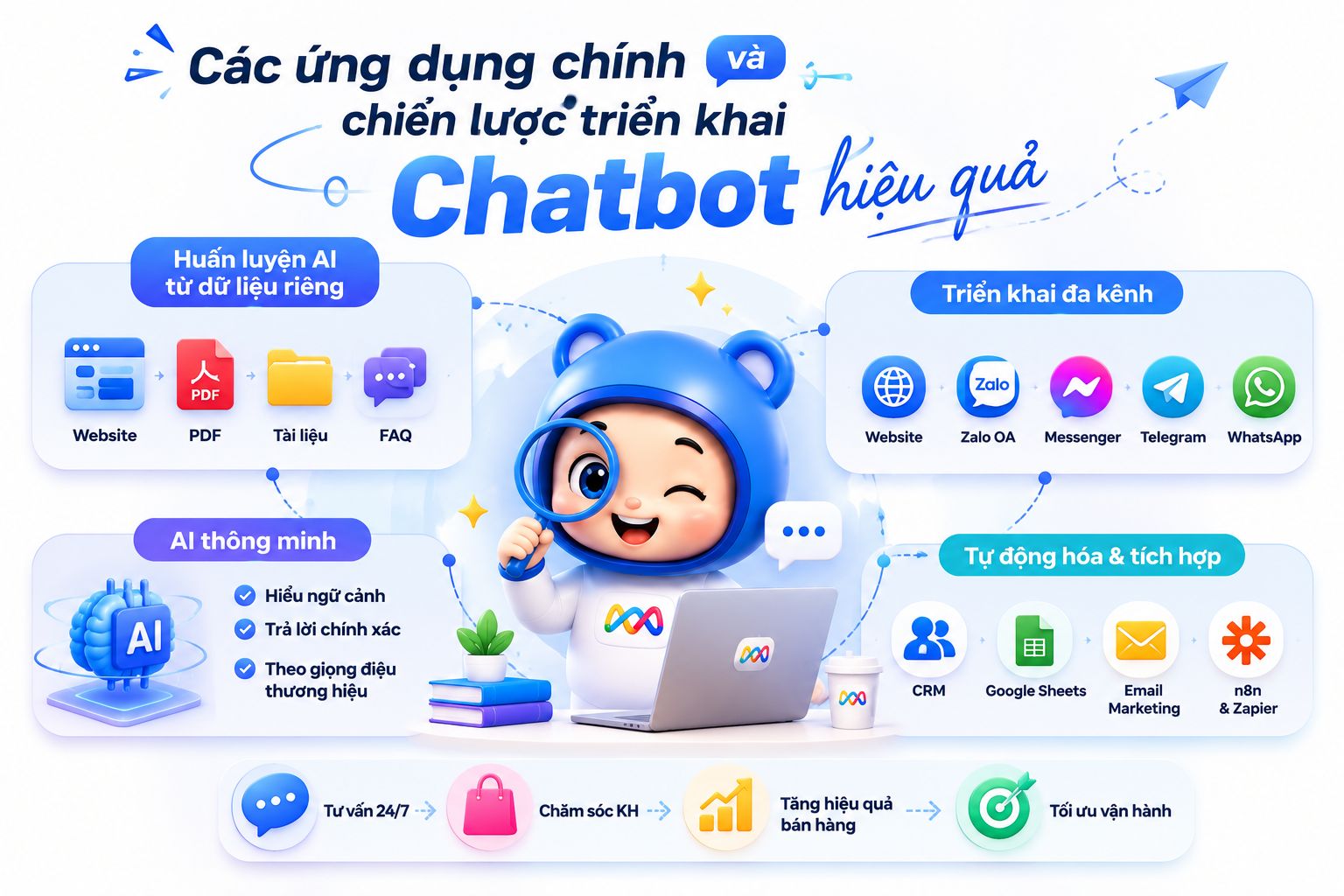
    Key Applications and Strategies for Successful Chatbot Deployment

    Các ứng dụng chính và chiến lược triển khai Chatbot AI thương mại điện tử giúp huấn luyện AI từ dữ liệu doanh nghiệp, triển khai đa kênh và tự động hóa quy trình bán hàng.

    Successfully integrating an E-commerce AI Chatbot requires choosing the right platform and deployment strategy. Chat Vareno AI Agent is more than just a chatbot—it is an intelligent AI sales assistant that can be trained using your own business knowledge.

    Train AI with Your Business Data

    Our platform allows you to train AI using multiple data sources, including:

    • Website content (product pages, FAQs, policies)
    • PDF documents
    • Internal knowledge bases
    • Existing question-and-answer datasets

    Powered by leading Large Language Models (LLMs) such as Google Gemini and GPT-4, the AI understands your business context and provides highly accurate, brand-consistent responses.

    This eliminates the need for complex rule-based scripts. Instead, the AI continuously learns and delivers flexible, intelligent conversations tailored to your customers.

    Multi-Channel Deployment and Workflow Automation

    An effective chatbot strategy should support customers across every communication channel. With Vareno AI, you can deploy your AI Agent on:

    • Website
    • Zalo Official Account
    • Facebook Messenger
    • Telegram
    • WhatsApp

    Our platform also integrates with automation tools such as n8n and Zapier, enabling seamless connections with CRM systems, Email Marketing platforms, and Google Sheets. This allows customer data to flow automatically into your existing systems, streamlining the entire process from customer inquiries to order management.

    Guided by our philosophy of “The Power of Less,” Vareno AI delivers powerful technology through a simple, intuitive interface. No technical expertise is required, making it easy to manage, monitor, and optimize your AI Agent.

    Conclusion

    Integrating an E-commerce AI Chatbot has become essential for businesses looking to improve customer experience and maximize operational efficiency in the digital era. A smart AI Agent like Chat Vareno AI Agent not only provides 24/7 customer support but also personalizes shopping experiences, increases sales, and frees your team to focus on high-value tasks.

    By leveraging advanced Large Language Models (LLMs) and custom AI training based on your business data, Vareno AI helps companies automate workflows, improve customer engagement, and drive sustainable revenue growth.

    Start transforming your customer experience today by trying Chat Vareno AI Agent for free.