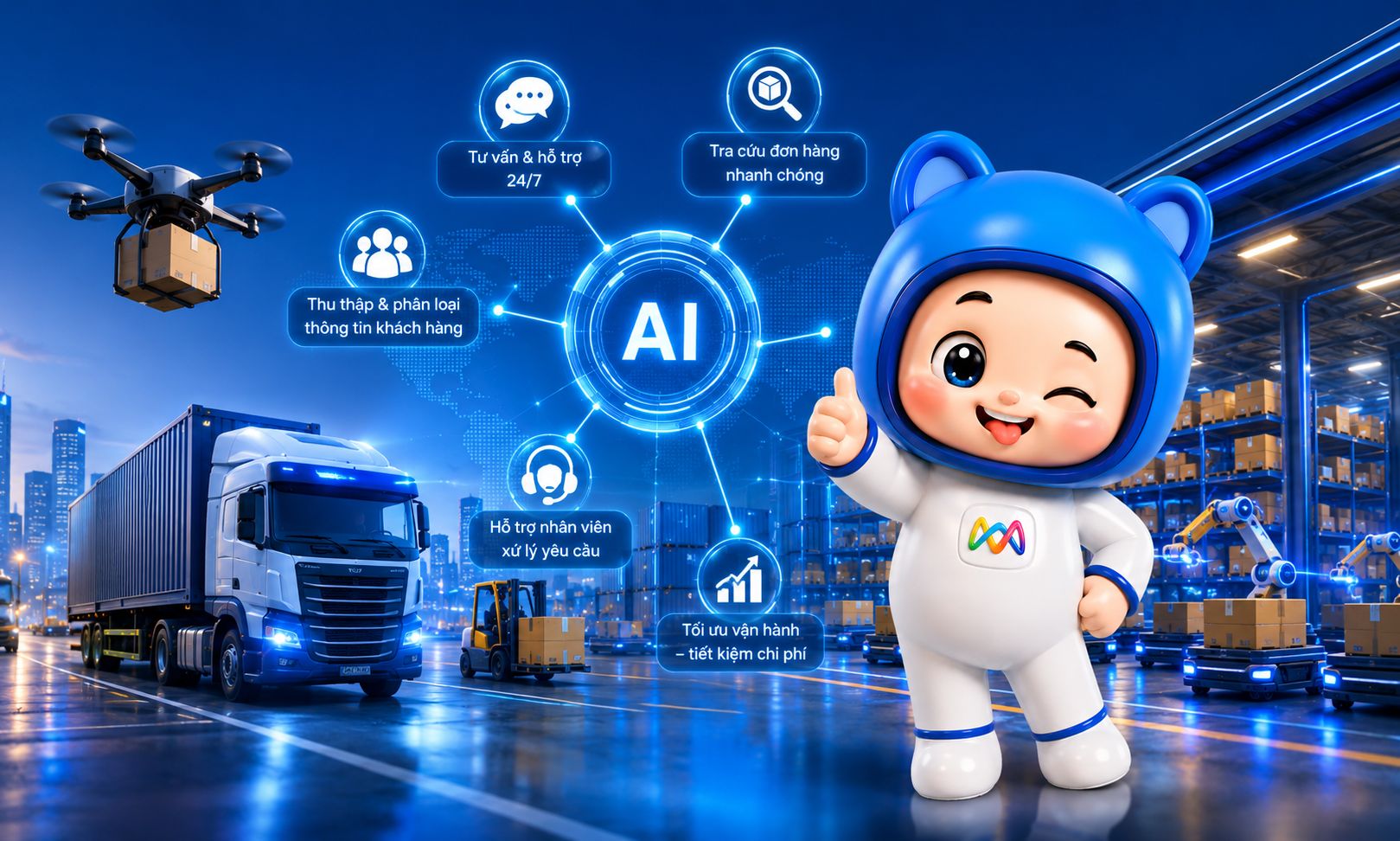
The logistics industry is growing rapidly alongside the increasing demand for fast, accurate, and transparent delivery services. However, logistics businesses also have to handle a large volume of daily inquiries, such as order tracking, shipping quotes, delivery times, warehouse information, and support when issues arise. This is where AI Logistics Chatbot becomes a solution that helps businesses automate communication and improve operational efficiency.
What Is an AI Chatbot for Logistics?
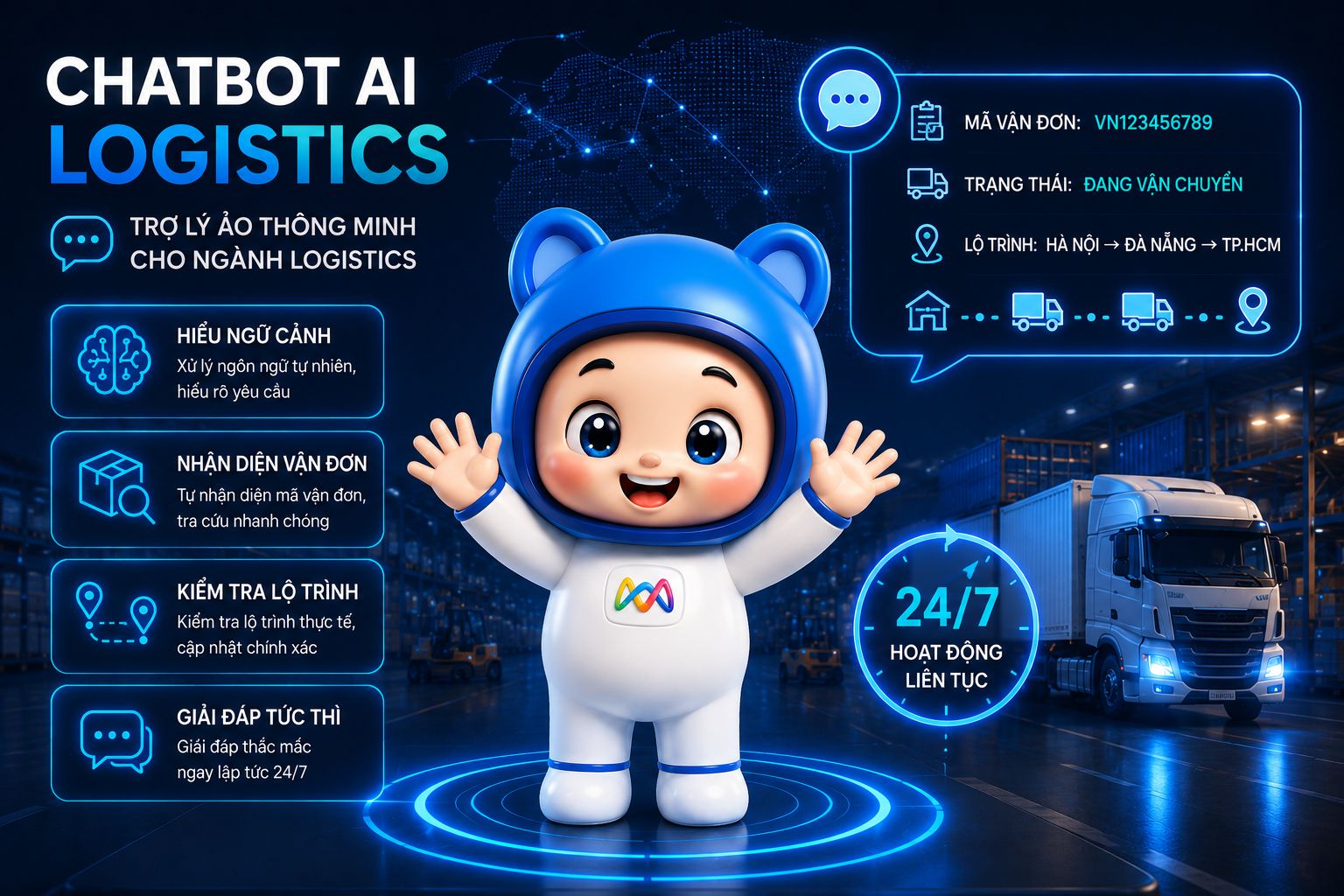
An AI chatbot for logistics is a virtual assistant powered by natural language processing and trained specifically on transportation and warehousing data. Unlike rigid rule-based chatbots that rely on button-click scripts, an AI assistant can understand context, recognize tracking numbers, check real-time shipment status, and answer customer questions instantly.
Why Do Transportation Businesses Need an AI Chatbot?
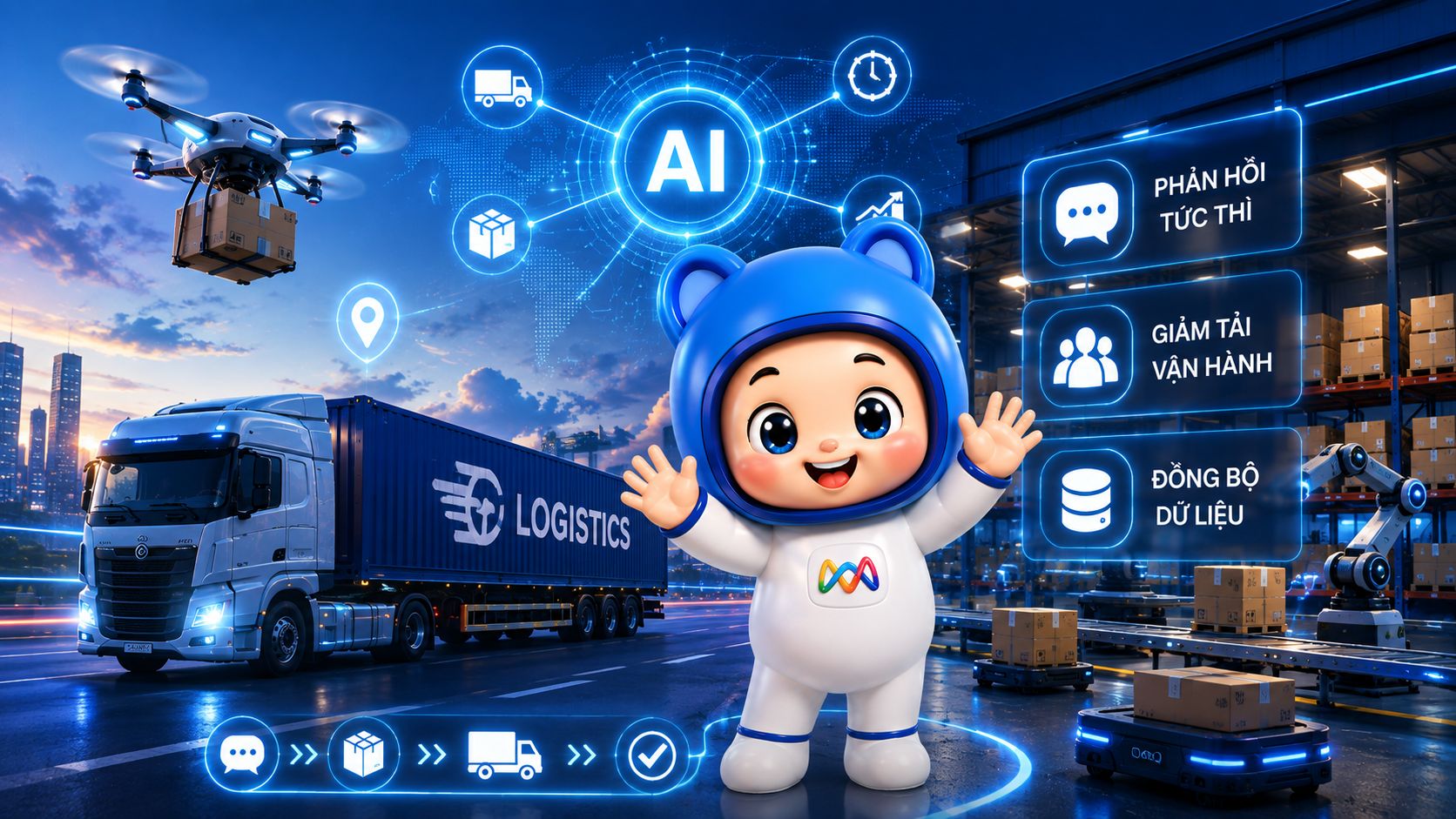
The logistics industry requires a high level of accuracy and fast response times. The pressure of handling order-tracking requests places a significant burden on customer support teams every day. A virtual assistant helps streamline communication channels, reduce manual workload, and minimize errors caused by manual data entry.
- Instant responses: Customers who send a tracking number late at night or on holidays can receive an answer within seconds.
- Reduced operational workload: The system automatically handles repetitive questions about shipping rates, compensation policies, and estimated delivery times.
- Data synchronization: The assistant can connect directly with warehouse management and transportation management software to retrieve accurate information.
Key Features of an AI Chatbot for Logistics
Today, a transportation virtual assistant can act as an intelligent logistics coordinator.
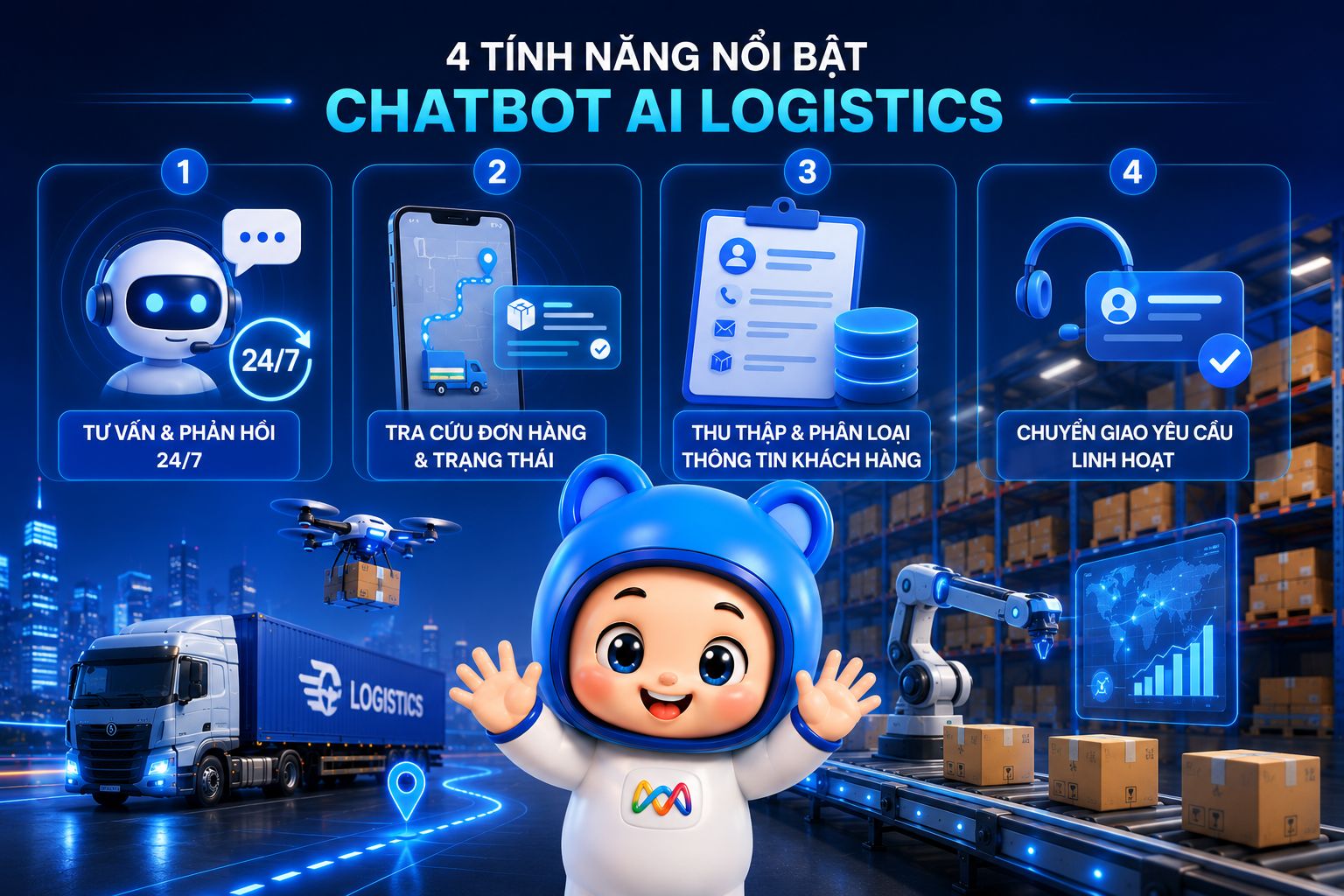
Automated 24/7 Consultation and Responses
The system provides detailed answers about packaging requirements, prohibited items, and interprovincial shipping procedures. Customers can receive consistent responses across familiar channels such as websites, Zalo, and Messenger.
Order Tracking and Shipment Status Updates
One of the most common needs of logistics customers is checking their order status.
When connected to an order management system or relevant data sources, an AI chatbot can quickly help customers find information such as where their shipment is, its current delivery status, and related updates.
Collecting and Categorizing Customer Information
A chatbot does more than answer questions. It can also collect essential information such as names, phone numbers, email addresses, shipping requirements, cargo types, and delivery routes.
This data can be categorized and transferred to a CRM system for the sales team to continue customer follow-up, creating a more seamless logistics automation process.
Flexible Handover to Human Agents
When customers have compensation claims or issues such as lost shipments, the system can trigger a handover to the appropriate staff member. Administrators receive a notification along with the complete conversation history. This allows employees to understand the situation quickly without asking customers to repeat their entire case.
Practical Benefits for Logistics Businesses
Implementing AI in logistics can deliver numerous benefits, from customer service to operational optimization.
- Reduce customer service workload: Automatically handle repetitive questions.
- Faster responses: Customers can receive information almost instantly.
- 24/7 operation: Provide continuous customer support.
- Improved data collection: Capture customer needs and behavior.
- Enhanced customer experience: Deliver consistent information across multiple channels.
- Optimized operating costs: Reduce manual workloads for employees.
- Support revenue growth: Better identify and engage customers with logistics needs.
Trends in AI Adoption in the Transportation Industry
The market is shifting from simple question-and-answer systems toward multifunctional AI assistants. New trends focus on connecting AI with automated workflows to generate invoices, create vehicle dispatch orders, and provide early warnings about port and warehouse congestion, helping operations teams stay proactive.
Effective AI Chatbot Deployment Process for Logistics
To ensure that the virtual assistant operates smoothly, businesses should follow four key steps:
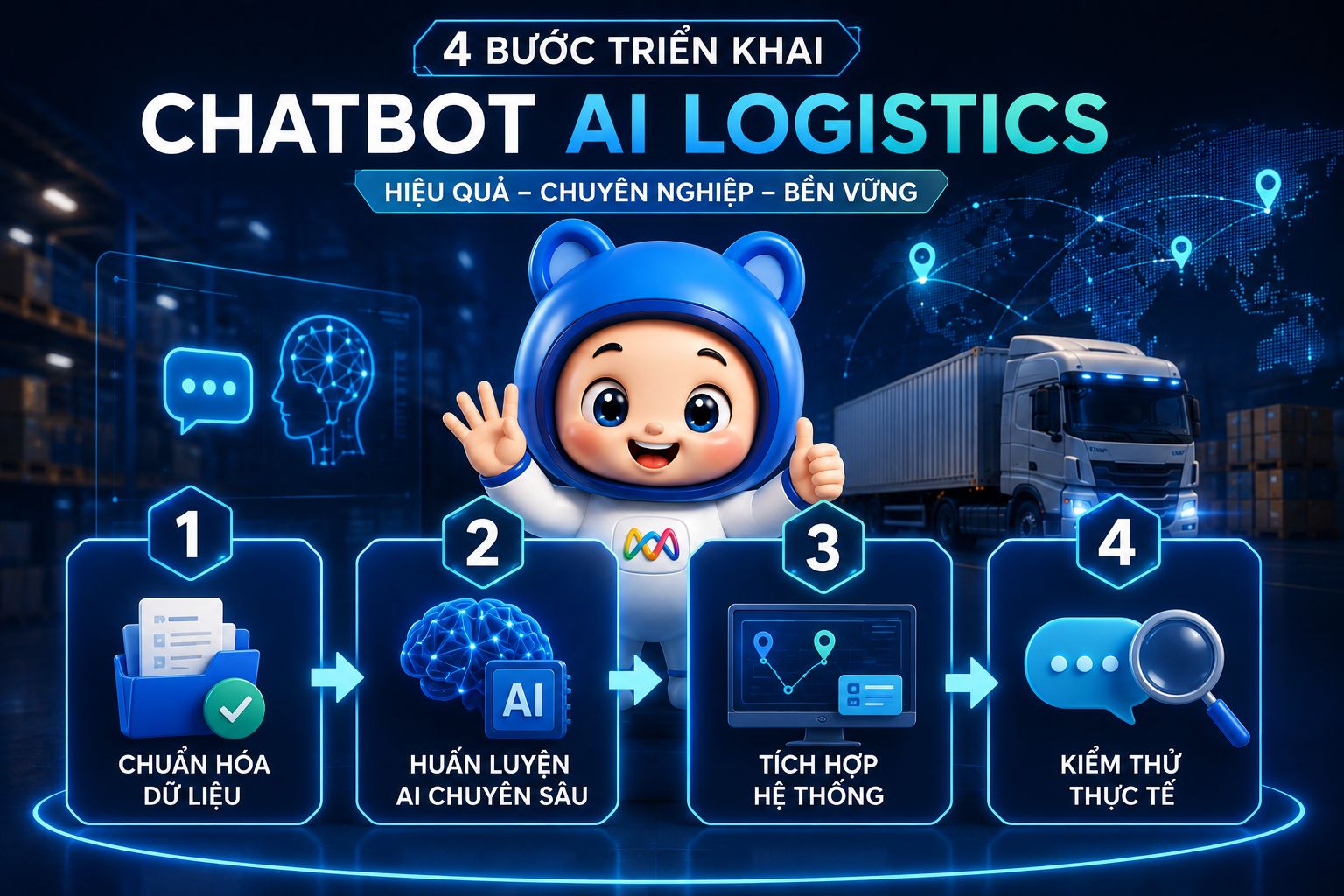
- Standardize knowledge data: Consolidate shipping rates, transportation routes, compensation policies, and shipping guidelines into clear and structured documents.
- Train the AI: Upload relevant materials to the platform so the model can learn industry-specific terminology and minimize inaccurate responses.
- Integrate management systems: Connect the virtual assistant with the existing order management software to synchronize real-time shipment status.
- Test real-world scenarios: Test customer inquiries ranging from simple tracking requests to complex situations before officially launching the chatbot.
Conclusion
Investing in an AI chatbot for logistics is a strategic step that helps businesses optimize operations, improve customer service, and save resources. Understanding business needs and choosing the right AI solution can help companies deploy the technology effectively and gain a competitive advantage in the logistics industry.
With Vareno AI, businesses can easily apply AI to customer service and operational processes, moving toward a more modern, automated, and professional logistics system. Contact Vareno AI today to receive a solution tailored to your business needs.
Leave a Reply